
ACL Conservative vs Surgery - What should I choose?
A modern, evidence-based guide for aal - athletes, footballers, runners & active adults…
An ACL tear can feel like everything stops at once — running, training, team sport, confidence, life.
The overwhelming question clients ask as soon as the swelling settles is:
“Do I need ACL surgery, or can I recover with physiotherapy alone?”
Ten to fifteen years ago, the answer was simple:
ACL rupture = reconstruction.
Today the research paints a very different picture. And from personal experience as ACL tears are one of the most common serious knee injuries I see in our Bristol physiotherapy clinic and online, I can say with confidence that…
Many people — even athletes — can return to running and sport without surgery, as long as rehabilitation is structured, progressive, and performance-driven.
This article helps you compare both pathways using up-to-date evidence, alongside clinical insight to help guide you to make the right decision with clarity, confidence & evidence.
What Does Current Research Say?
Studies including KANON, Delaware-Oslo, and multiple 2021–2024 reviews show:
Surgery is not automatically required after ACL rupture.
Non-operative rehab can lead to equal long-term outcomes for many people — especially those returning to running, gym training or recreational sport.
Rehab is essential whether you choose surgical or non-surgical management.
The difference is what happens if stability doesn’t return once strength and function progress.
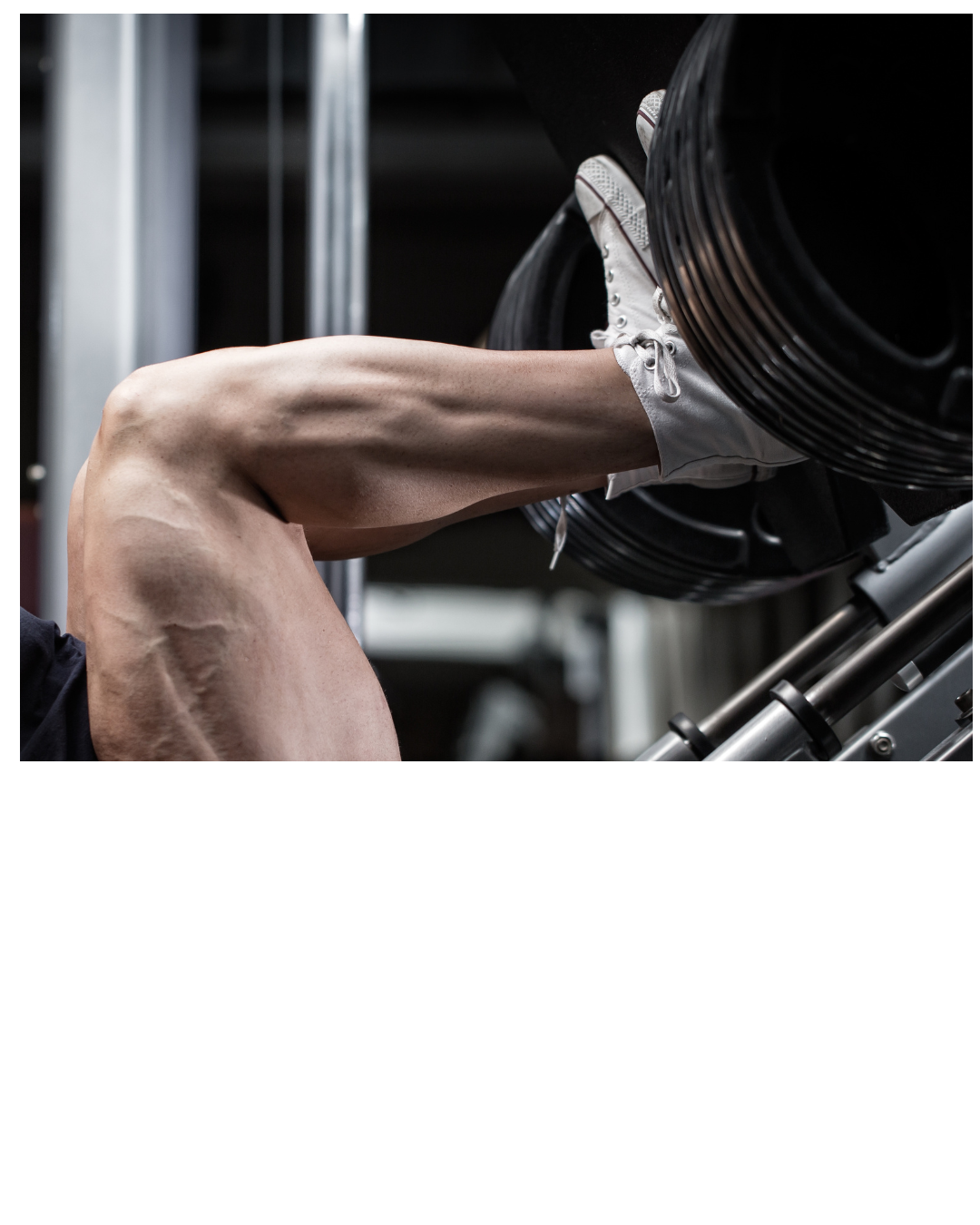
Who Does Well With Conservative (Non-Surgical) ACL Rehab?
You may not need surgery if you:
Don’t experience frequent instability or “giving way” – feel stable
You play sports with lower pivoting demands (run, cycle), OR want to trial rehab first before surgery
Are motivated to rehab for 6–12+ months – and maintain the work after thereafter
You play sports with lower pivoting demands, OR want to trial rehab first before surgery
Live locally &/or can commit to structured physiotherapy in Bristol or online
Ideal candidates include but not limited to:
Runners
Cyclists
Gym-focused & strength athletes
Active adults, older athletes, non-contact sport
Recreational sport & fitness
At ADAPT. PERFORM. and through my years as a physiotherapist, I have regularly seen clients return successfully to running, lifting & sports like skiing, tennis, football… with no reconstruction. The only rule is that the rehab and training is planned properly, tested objectively & progressed beyond merely “pain-free”.
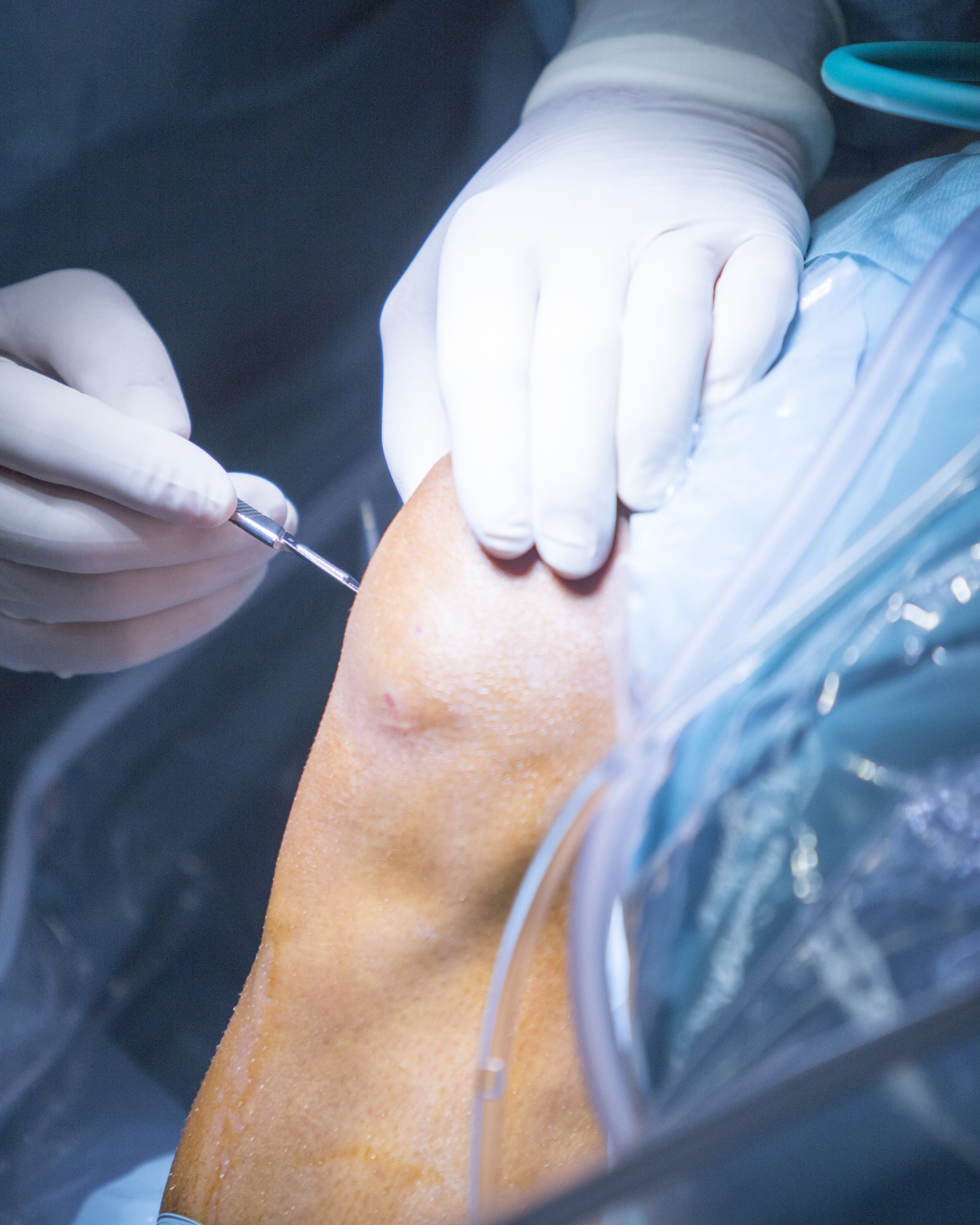
Who May Benefit More From ACL Surgery?
Surgery becomes the better option when:
Instability continues despite good rehab
Sport requires repetitive fast cutting & pivoting under load
There is a meniscus repair or multi-ligament injury
12+ weeks of structured rehab still feels unstable
More suited for:
Sports performing fast repetitive cutting/pivoting
Hockey / Rugby / Football
Basketball / Netball / Volleyball
Skiing
You and your knee should decide - not your MRI.
Use the information from consultants, physio’s, rehabbers… and evidence-based research to help guide you but it is down to how you and your knee feels!
The Reality: Successful ACL Return Requires High-Level Rehab Either Way
Whether you go surgical or conservative, optimal outcome depends on:
Rehab Stage Goal
Strength restoration Quad + hamstring symmetry, >90% limb strength
Neuromuscular control Stability in single-leg tasks & movement strategy
Plyometrics Hopping → bounding → multi-directional loading
Rate of Force Development Power, stiffness, explosiveness
Sport-specific integration Cutting, deceleration, agility, fatigue repeatability
Objective testing Hop, return to run & sport tests, force plate symmetry, quad index, isometric testing
Pain-free daily life is NOT enough, it’s not performance-ready.
Time doesn’t rebuild power — loading does.
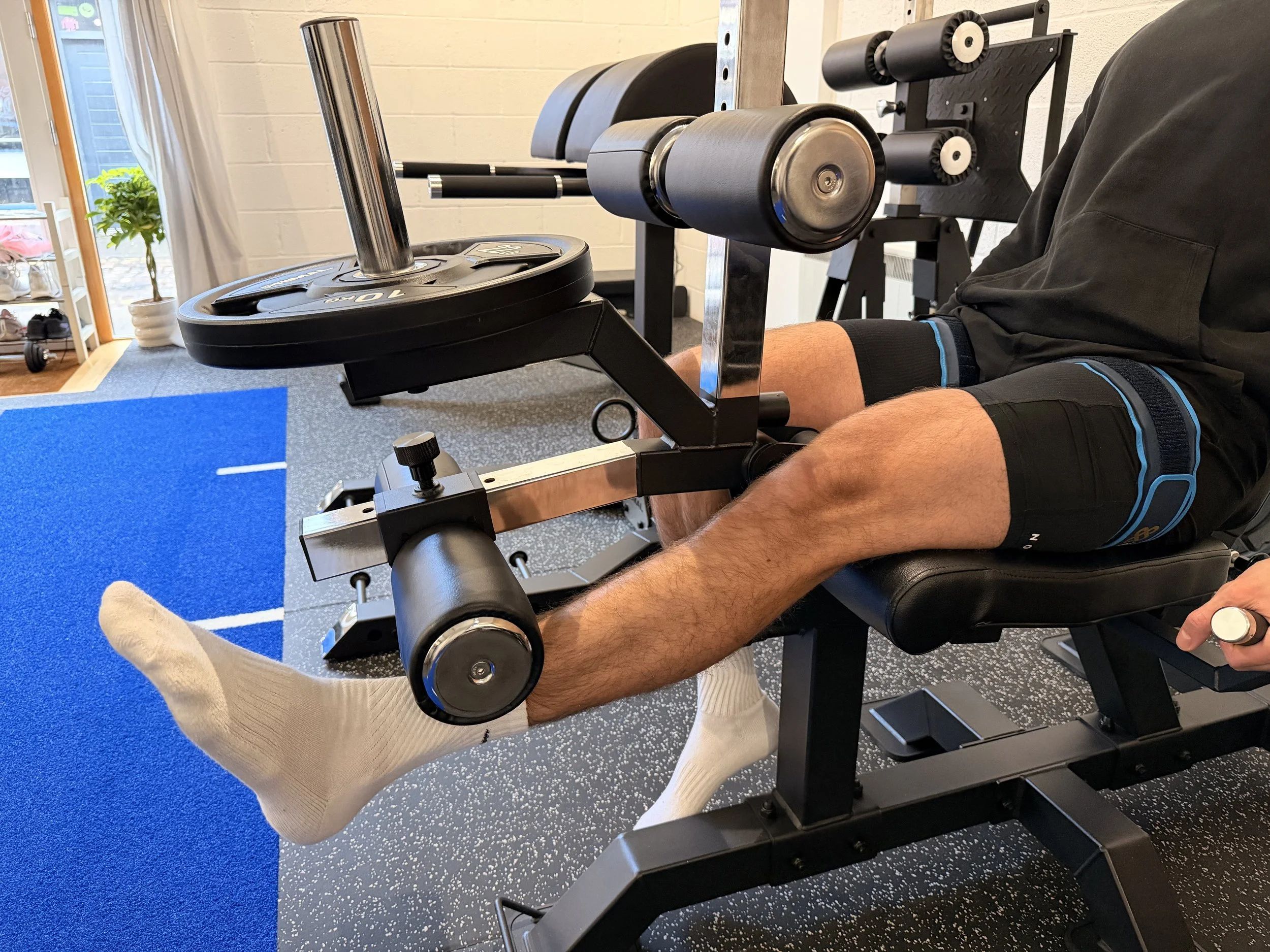
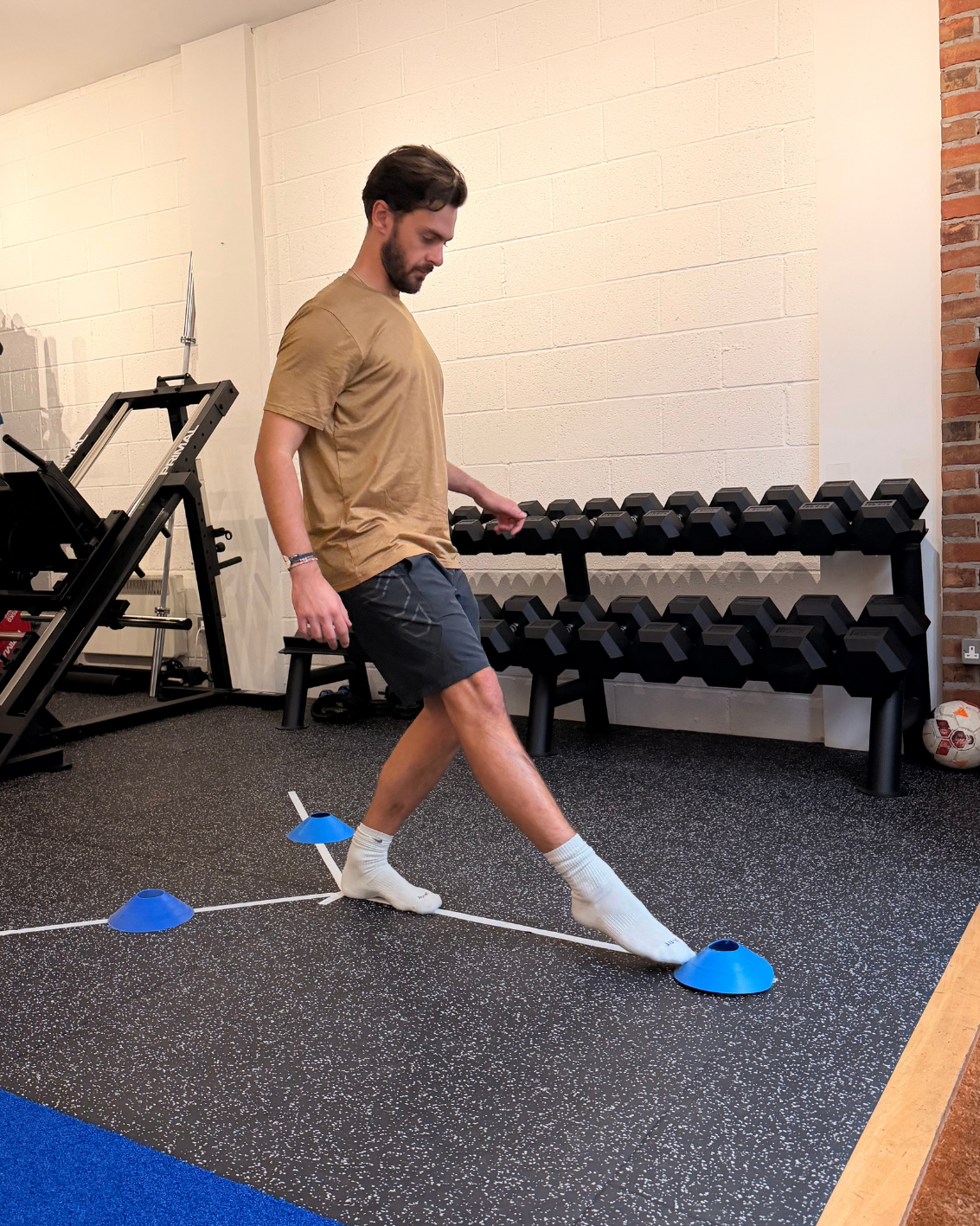
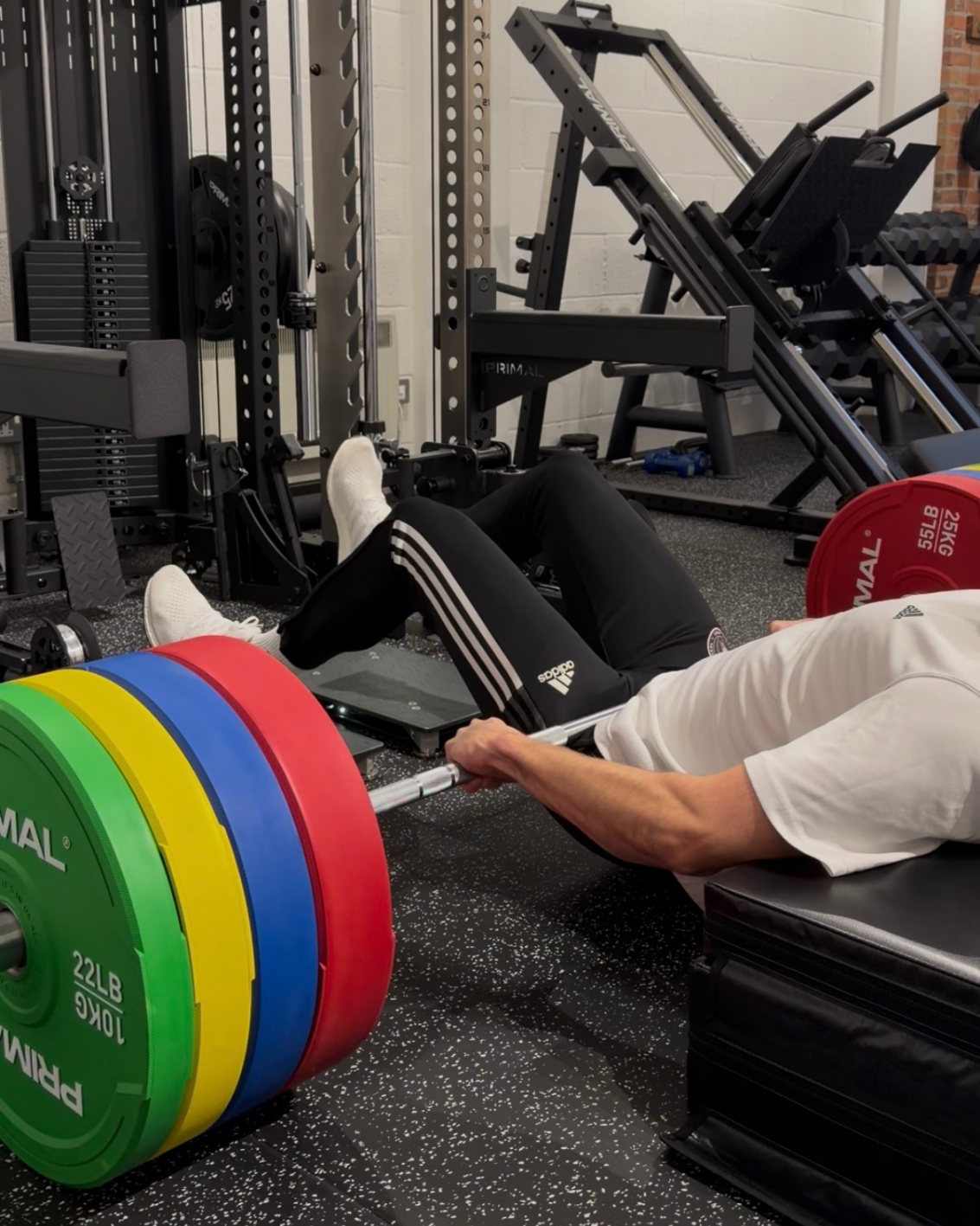
Decision Flowchart — Simple, practical, evidence-based
Begin structured rehab (whether surgical or not)
Build quad + hamstring strength aggressively
Add plyometrics, cutting & hop progressions
Test with objective data, not guesswork
If stable → continue conservative
If unstable → graft may be the right step
You don’t lose time by trying rehab first — you build capacity either way and it ensures surgery (if chosen) is for the right reason.
ACL Rehab With ADAPT. PERFORM.
At our Bristol clinic we guide both surgical + conservative ACL pathways using:
VALD force plate + dynamometer strength testing, capacity tests, running and return-to-sport testing
Tracks progress objectively — no guesswork.
Blood flow restriction (BFR) training:
Maintains muscle size & strength even when heavy load isn’t yet possible.
Progressive strength, plyometrics (hops, jumps, bounds) & sport specific - change of direction rehab
Rehab continues until you’re performance-ready, not just pain-free.
Non-operative & post-operative pathways
Performance-driven return-to-sport criteria — not time-based
Our goal is simple:
Help you get back to what you love with strength, confidence and clarity — whether you choose a graft or not.
