
Back Pain Physiotherapy in Bristol
Evidence-Based Lower Back Pain & Disc Rehabilitation at ADAPT. PERFORM.
Lower back pain is one of the most common musculoskeletal complaints worldwide. In Bristol, it affects people across every walk of life — from athletes managing training-related flare-ups to office workers dealing with persistent pain, people recovering from disc injuries, and anyone whose back is limiting what they can do day to day.
At ADAPT. PERFORM., I provide structured, evidence-based back pain physiotherapy in St Paul’s, Bristol BS2 — helping people understand their pain, rebuild their capacity and return to lifting, running, sport and daily life with confidence.
Not sure what to expect at your first appointment? Find out here →
What is Back Pain?
Most back pain is classified as non-specific lower back pain (NSLBP). This means that although pain is very real, scans often do not show serious structural damage. Research consistently shows that pain does not always correlate directly with tissue injury.
I also work with people managing:
Disc-related lower back pain
Sciatic-type symptoms
Post-operative spinal rehabilitation
Ankylosing spondylitis (AS)
Gym and lifting-related flare-ups
Running and sport-related back pain
Understanding what is driving your symptoms is more important than labelling them.
Why Does Back Pain Develop?
Back pain commonly develops due to:
Sudden increases in load or training volume
Reduced trunk and hip strength
Prolonged sedentary patterns
Stress and sleep disruption
Fear-avoidance behaviours
Modern research supports the idea that persistent back pain is often related to reduced load tolerance and nervous system sensitivity, rather than structural damage alone. NICE guidelines recommend exercise-based rehabilitation as first-line management for most non-specific back pain cases.
Is It Really Back Pain?
The lumbar spine is a common source of referred pain — and not all pain felt in and around the back originates from the spine itself. Several structures can produce symptoms that closely resemble back pain but require a different approach to management.
Conditions that commonly mimic or contribute to back pain include:
Hip joint pathology — anterior hip and groin pain frequently refers into the low back, particularly with hip flexion and rotation
Sacroiliac joint (SIJ) dysfunction — produces localised low back, buttock and posterior thigh pain that can be difficult to distinguish from lumbar pathology clinically
Facet joint referral — lumbar facet pain typically refers into the buttock and upper thigh without a clear dermatomal pattern
Proximal hamstring tendinopathy — deep buttock and posterior hip pain that can present as low back symptoms, particularly when sitting
Kidney and visceral referral — flank and upper back pain with systemic features warrants prompt medical screening
Thoracic spine — upper and mid-back pain occasionally originates from thoracic rather than lumbar pathology, particularly in overhead athletes and desk-based workers
A full assessment includes differential screening to determine whether symptoms are truly spinal in origin, referred from adjacent structures, or have a radicular component requiring a different rehabilitation approach.
HOW I ASSESS BACK PAIN IN BRISTOL
At ADAPT. PERFORM., your assessment includes:
Detailed movement and load tolerance testing
Strength and endurance profiling
Identification of movement patterns contributing to symptoms
Discussion around training, stress, sleep and recovery
I don’t rely on passive treatment alone. The focus is on understanding how your body responds to load and what needs to change — and where appropriate, I use objective strength testing and progressive loading benchmarks to guide rehabilitation and track measurable progress over time.
Who I Work With for Back Pain
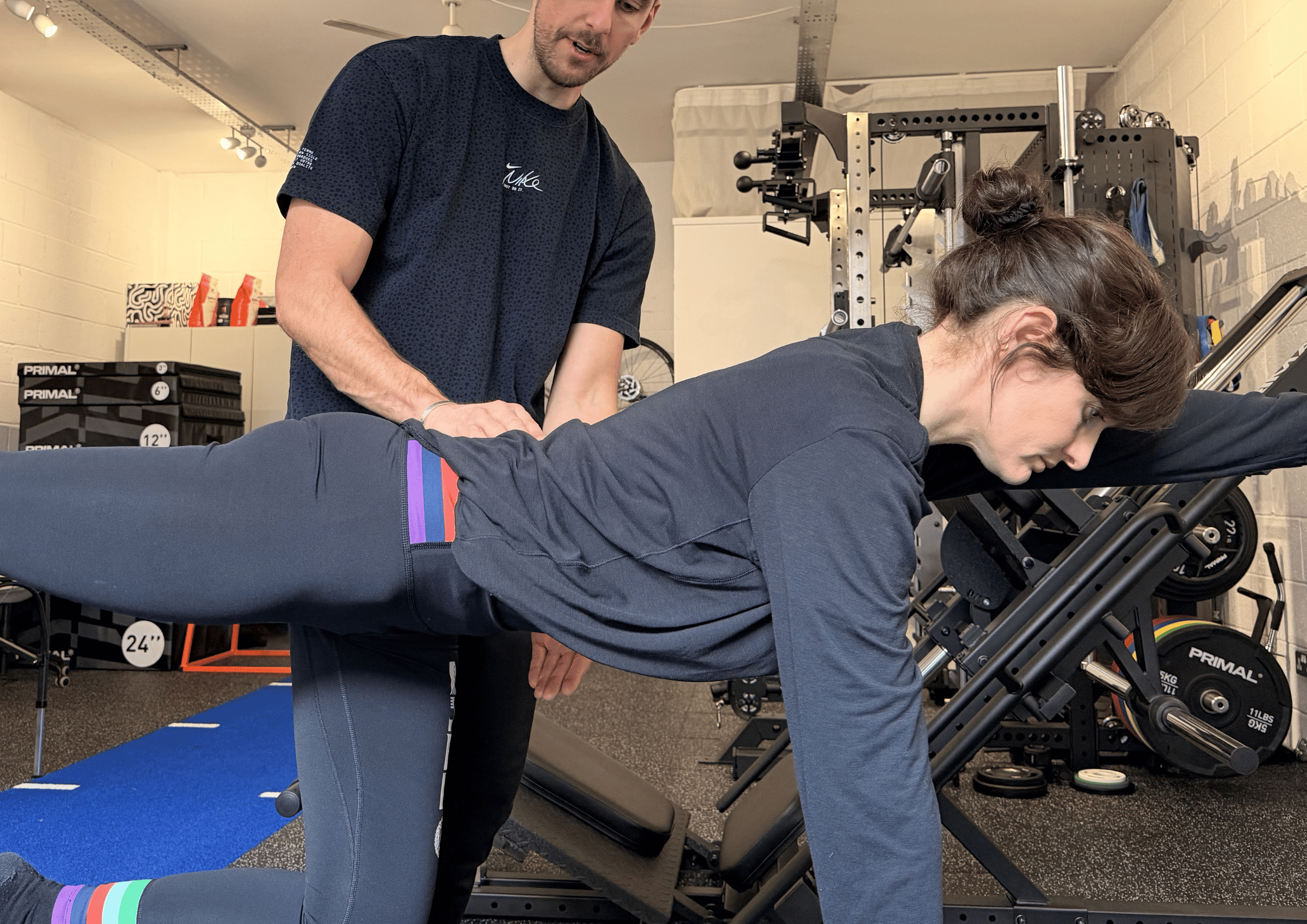
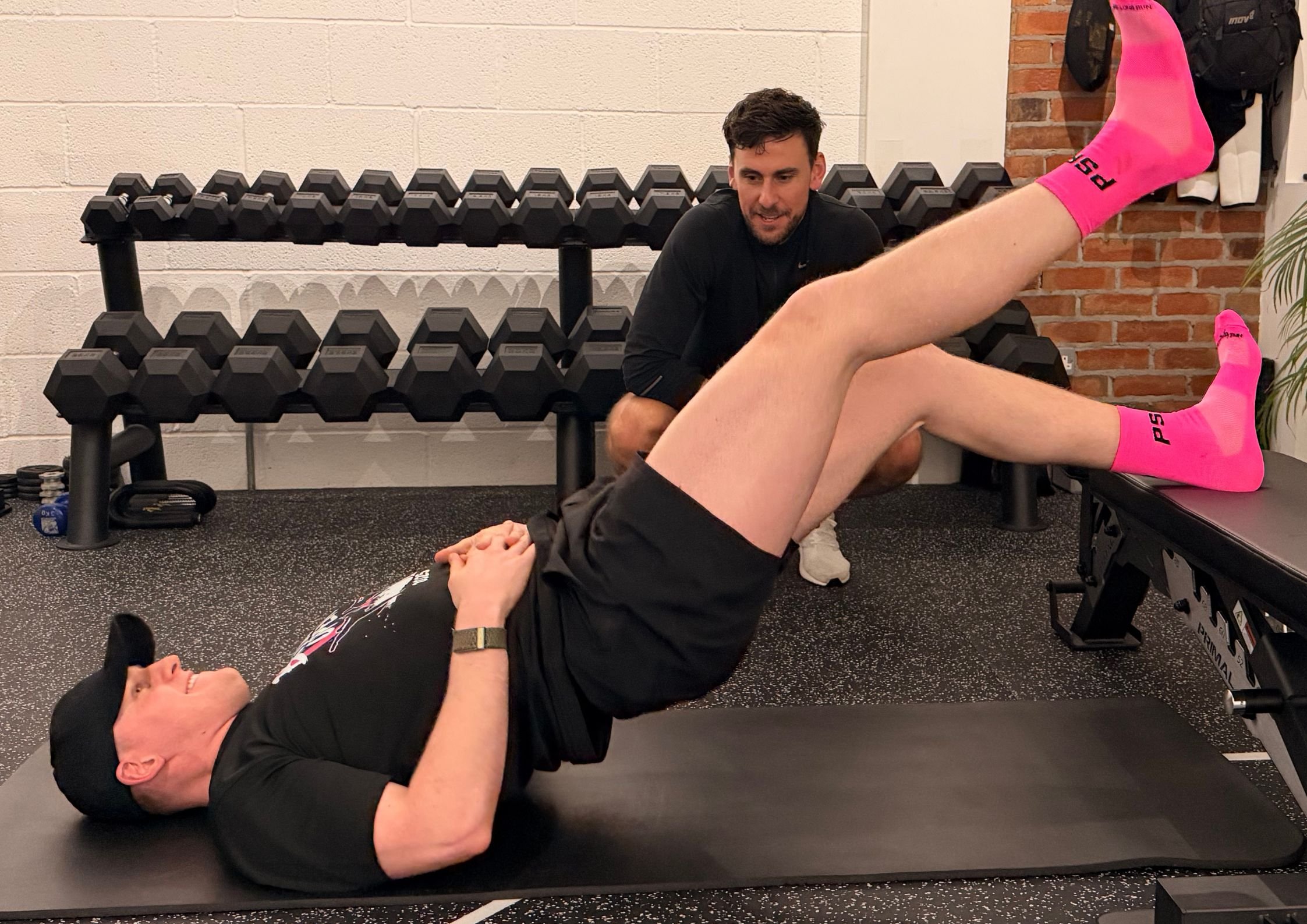
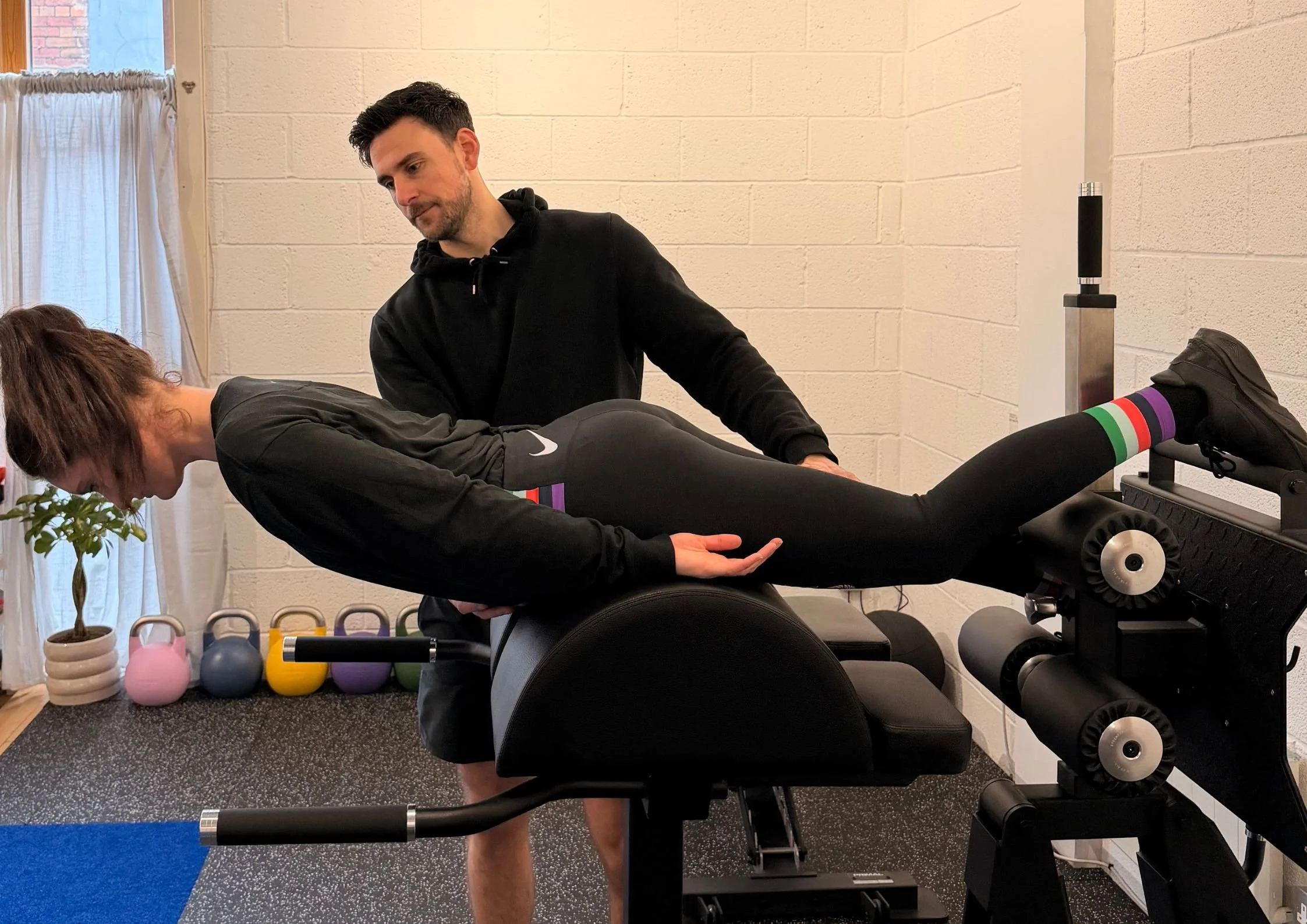
Back pain doesn’t discriminate. I work with a wide range of people presenting with back pain at my clinic in St Paul’s, Bristol, including:
Runners and cyclists with training-related lower back pain
Gym and CrossFit athletes with lifting-related flare-ups
Office workers and those in sedentary roles with persistent or recurring pain
People recovering from disc injury or spinal surgery
Athletes returning to sport after back injury
Anyone whose back pain is limiting daily activity — work, walking, sleep or exercise
Whether your back pain is acute, persistent or recurring — and whether you’re trying to get back to elite performance or just get through your day without pain — the approach is the same: understand what’s driving it, build the right foundation, and progress at the right pace.
Our Treatment Approach
We follow our structured framework:
ADAPT
I listen, assess and understand your pain behaviour. Education is central — helping you understand what is happening reduces fear and improves outcomes.
Recover
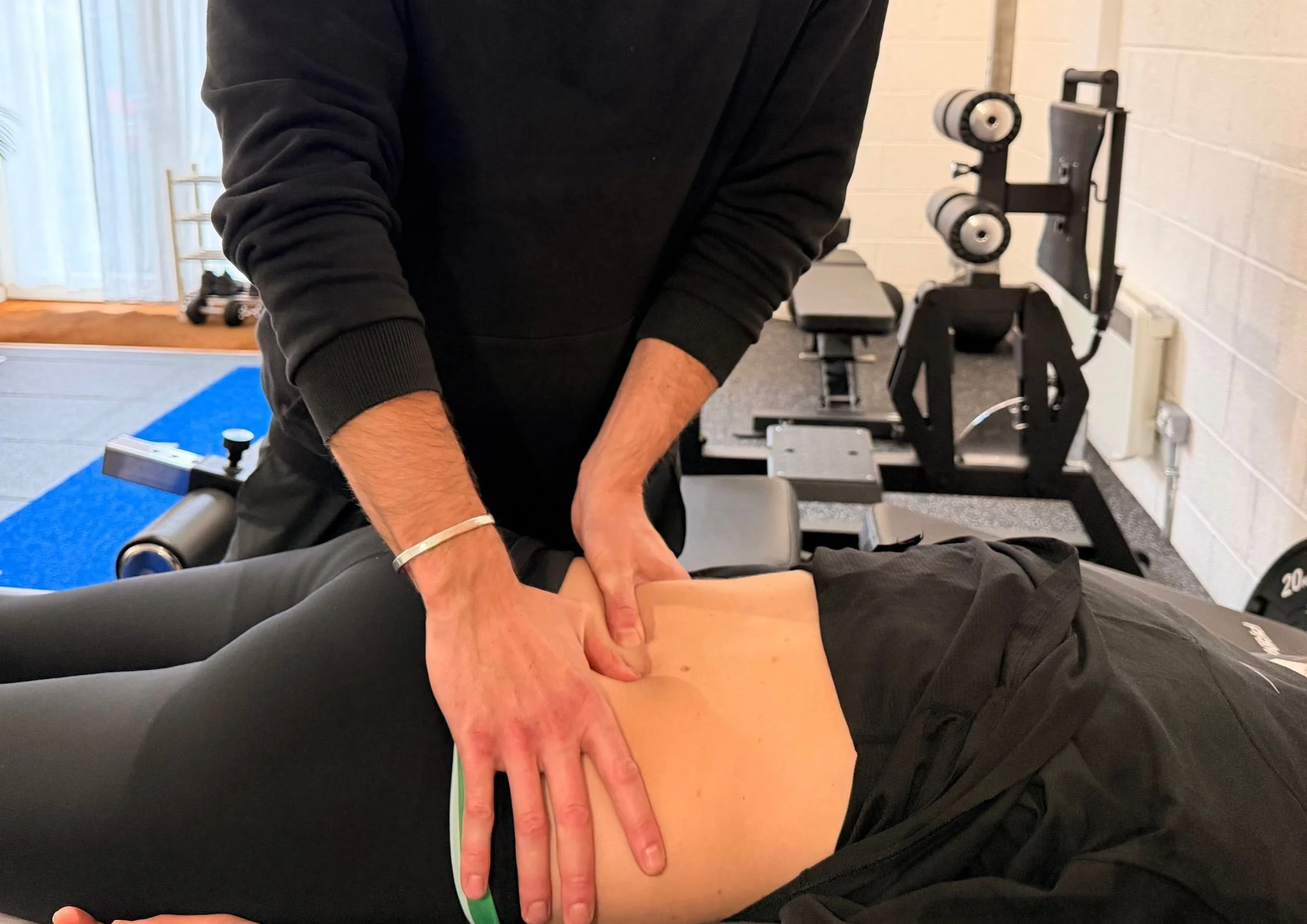
Short-term symptom relief may include manual therapy where appropriate, but the primary focus is graded strengthening and restoring confidence in movement.
PERFORM
I progressively rebuild trunk and hip strength, endurance and load tolerance using evidence-based loading strategies — whether your goal is returning to heavy lifting, high-intensity sport or simply functioning without restriction.
For athletes and active individuals, this includes programming analysis to identify the training factors that contributed to the injury, and objective strength benchmarks to confirm readiness before returning to full load. For others, it means rebuilding the confidence and capacity to do the things that matter — without fear of flare-up.
Recovery is rarely linear. Setbacks can occur and don’t mean failure — they’re information about where more work is needed.
Evidence-Based Recovery Timeframes
Recovery timelines vary significantly depending on the nature of the presentation, previous history and how the body responds to rehabilitation. These are general guides based on current evidence:
Acute NSLBP often improves within 6–12 weeks
Exercise reduces recurrence risk significantly
Persistent pain (>12 weeks) can still improve with structured rehabilitation
Disc-related flare-ups often settle within 6–12 weeks with graded loading
It is important to note that recovery is rarely linear. Setbacks can occur but do not mean failure.
Returning to Performance
Pain settling is only part of recovery. Before returning to heavy lifting, high-intensity sport or repeated loading I look for:
Improved trunk strength and endurance
Load tolerance without symptom flare-up
Confidence and control in the specific movements required
For athletes: programming analysis to confirm load is appropriate for the return
At ADAPT. PERFORM., the goal isn’t just comfort — it’s capacity. That means objective measures where appropriate, progressive loading that mirrors the demands of your sport or activity, and clear criteria for knowing when you’re genuinely ready — not just pain-free.
When Should You Seek Physiotherapy?
You should consider assessment if:
Pain persists beyond 2–3 weeks
Pain repeatedly returns
You feel limited in sport or training
You’ve been told to “just rest” but symptoms remain
You feel unsure how to progress safely
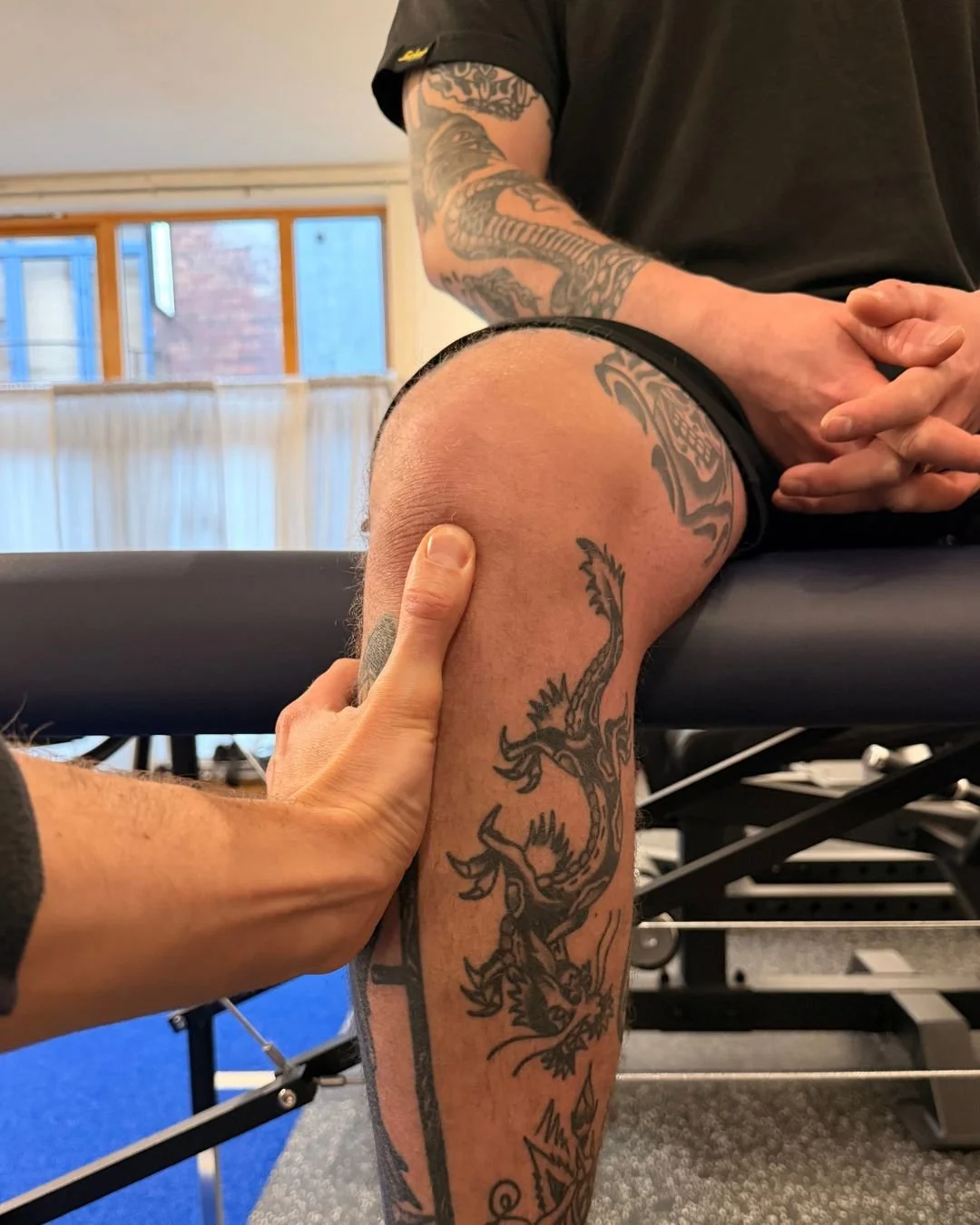
In-person physiotherapy
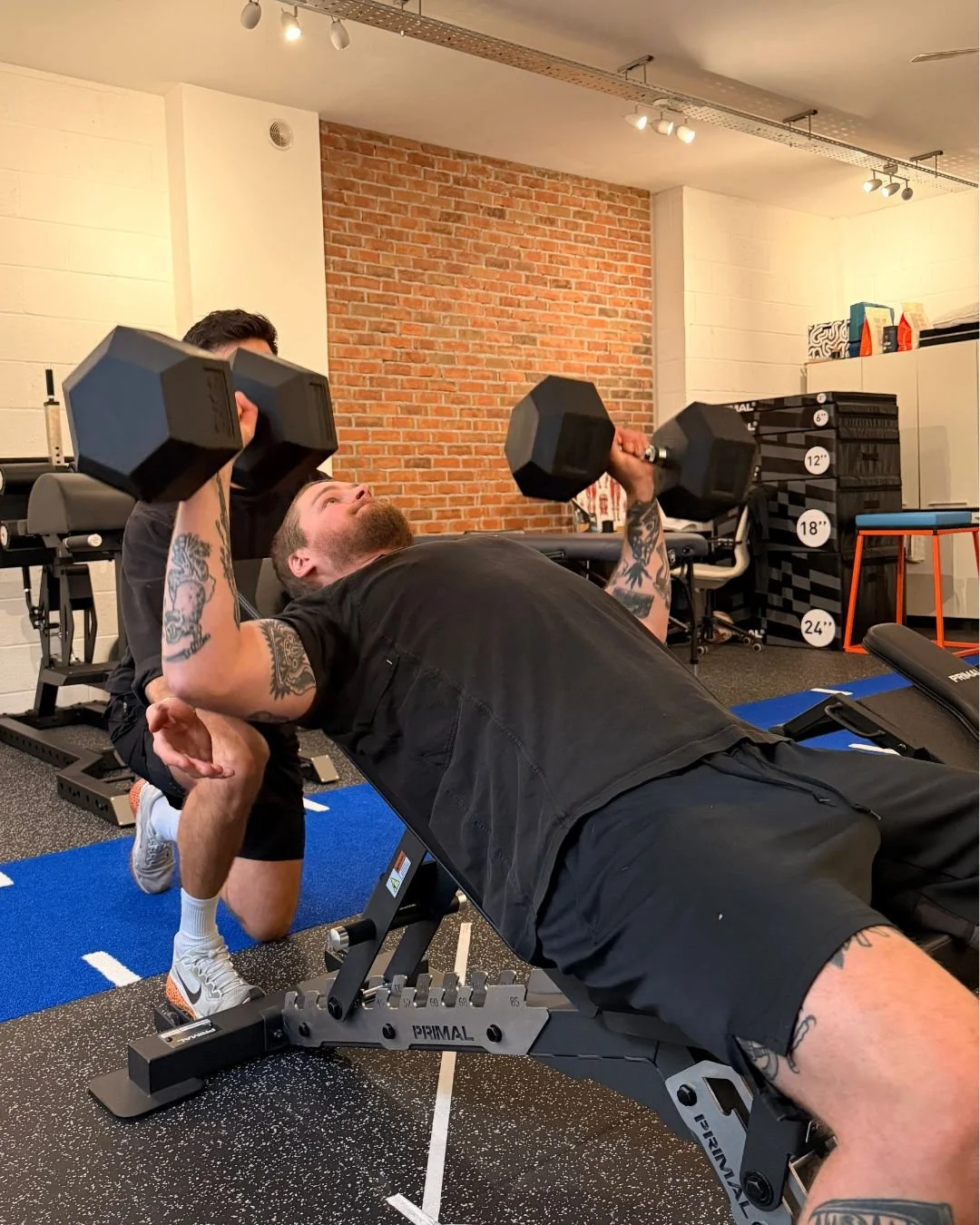
Strength & Conditioning
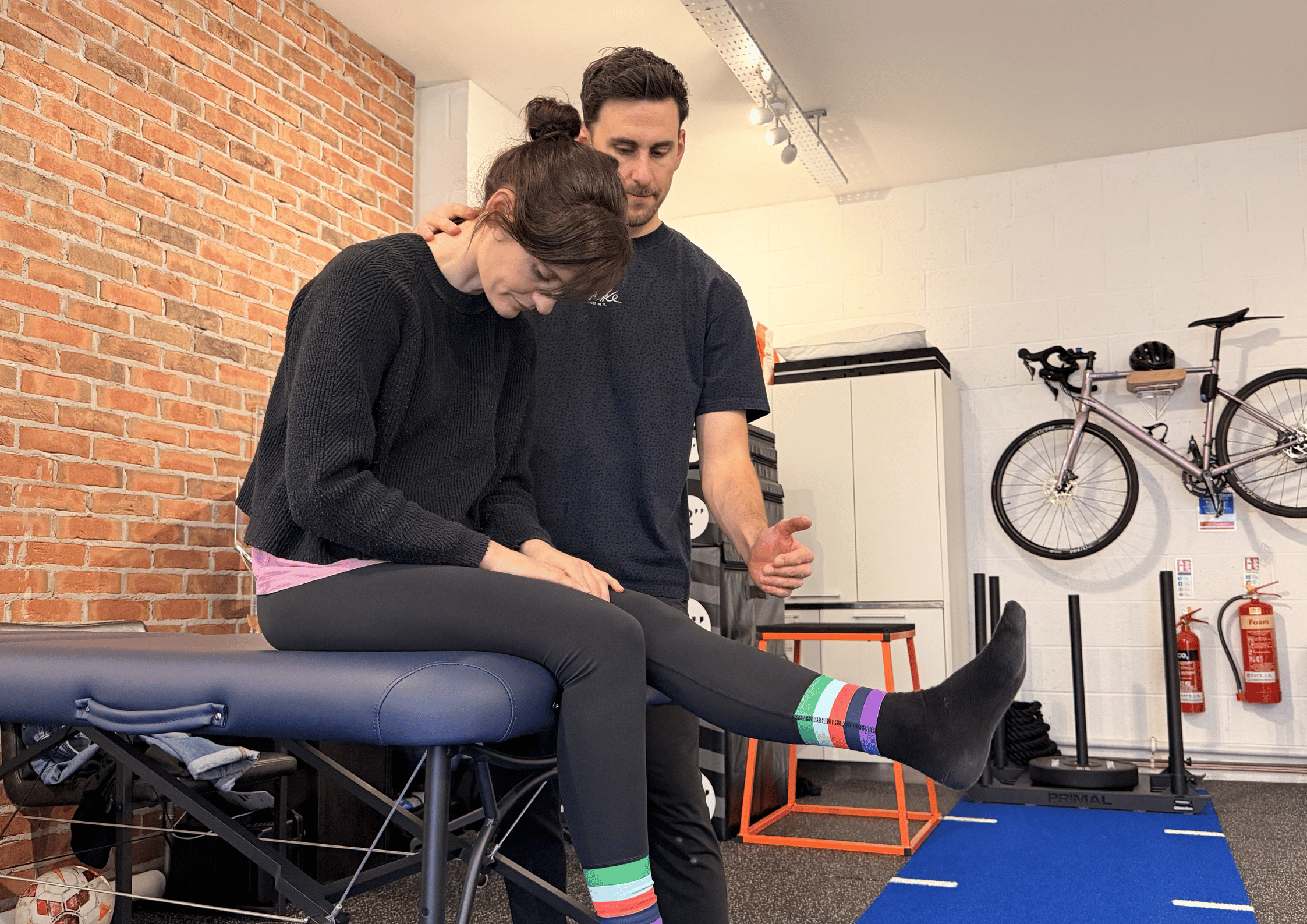
Sciatica Treatment
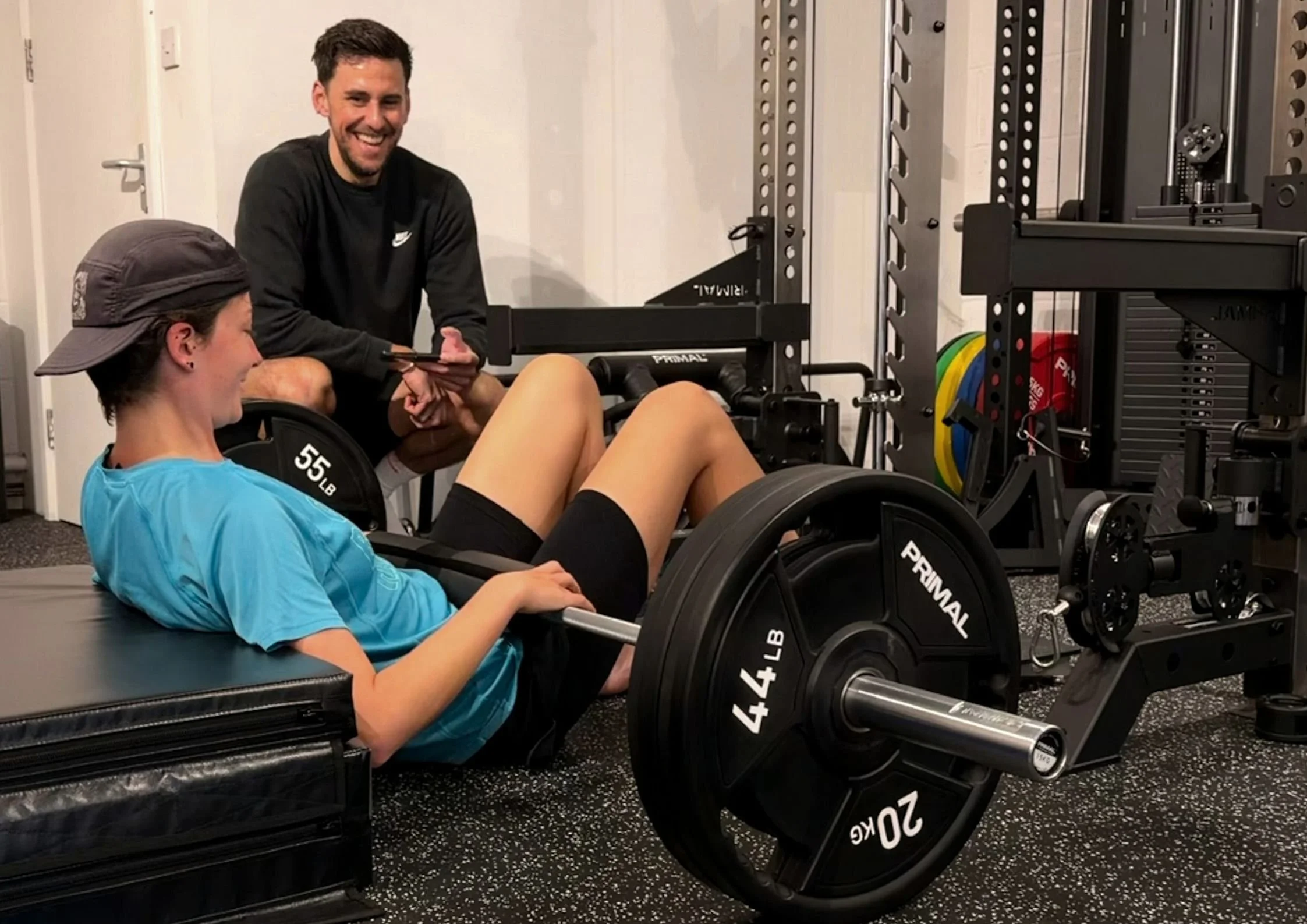
Performance Testing & Analysis
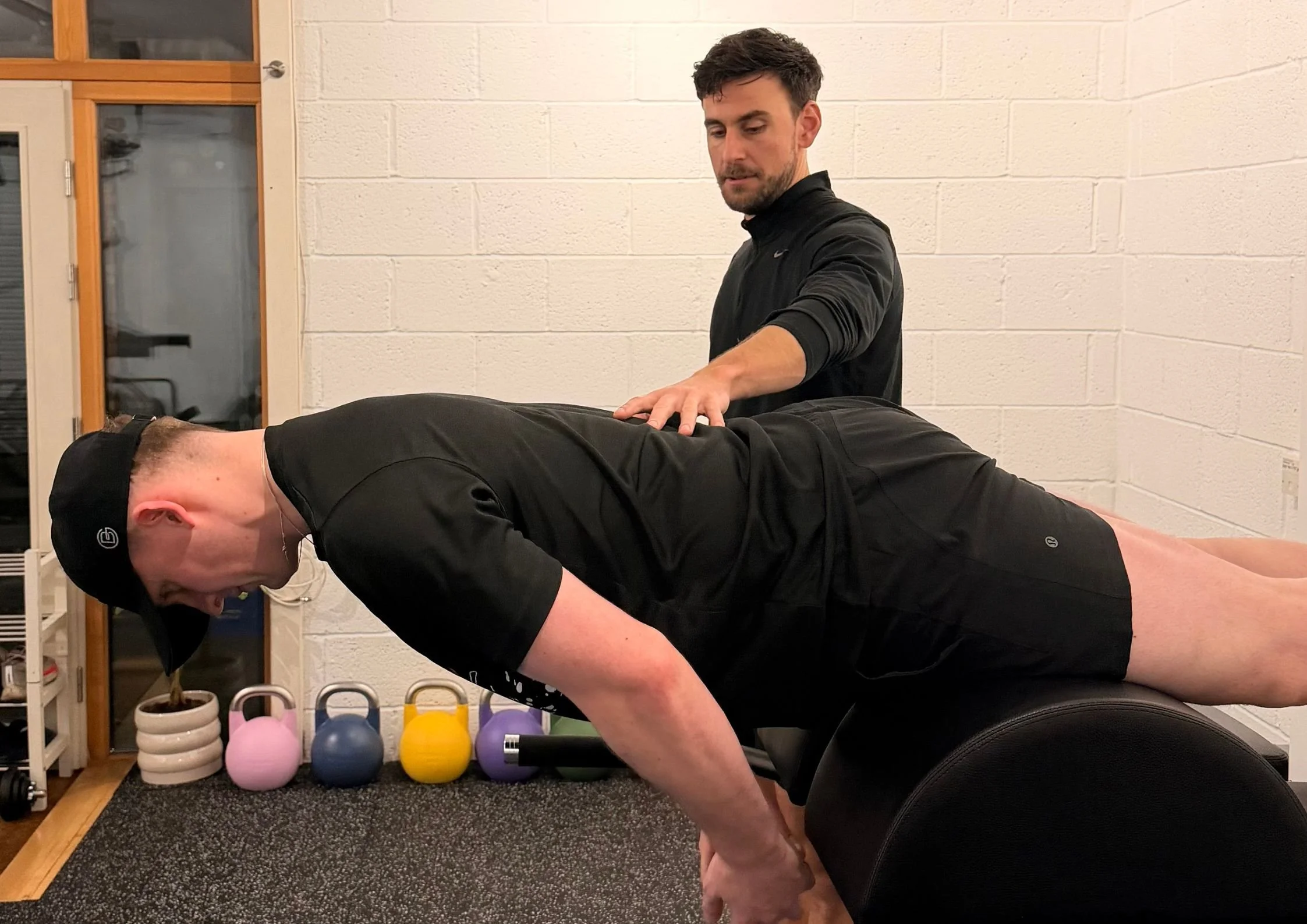
Based in St Paul’s, Bristol BS2, I work with people across the city — from athletes and gym-goers to office workers and anyone whose back pain is getting in the way of what they want to do.
Book your initial assessment and leave with a clear understanding of what’s driving your pain and a structured plan to move forward.
Ready to Address Your Back Pain?
See appointment options and pricing →