
Running Injury Physiotherapy Bristol
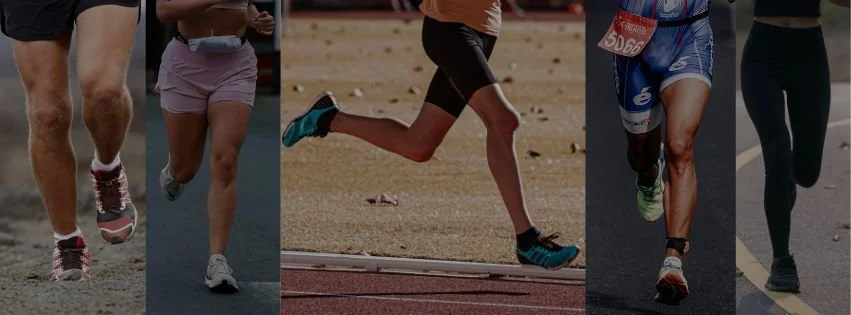
Running injuries are common in both experienced runners and those returning to activity after a period of time away.
At ADAPT. PERFORM., I focus on identifying the underlying cause of injury and guiding structured rehabilitation to help you return to running with confidence.
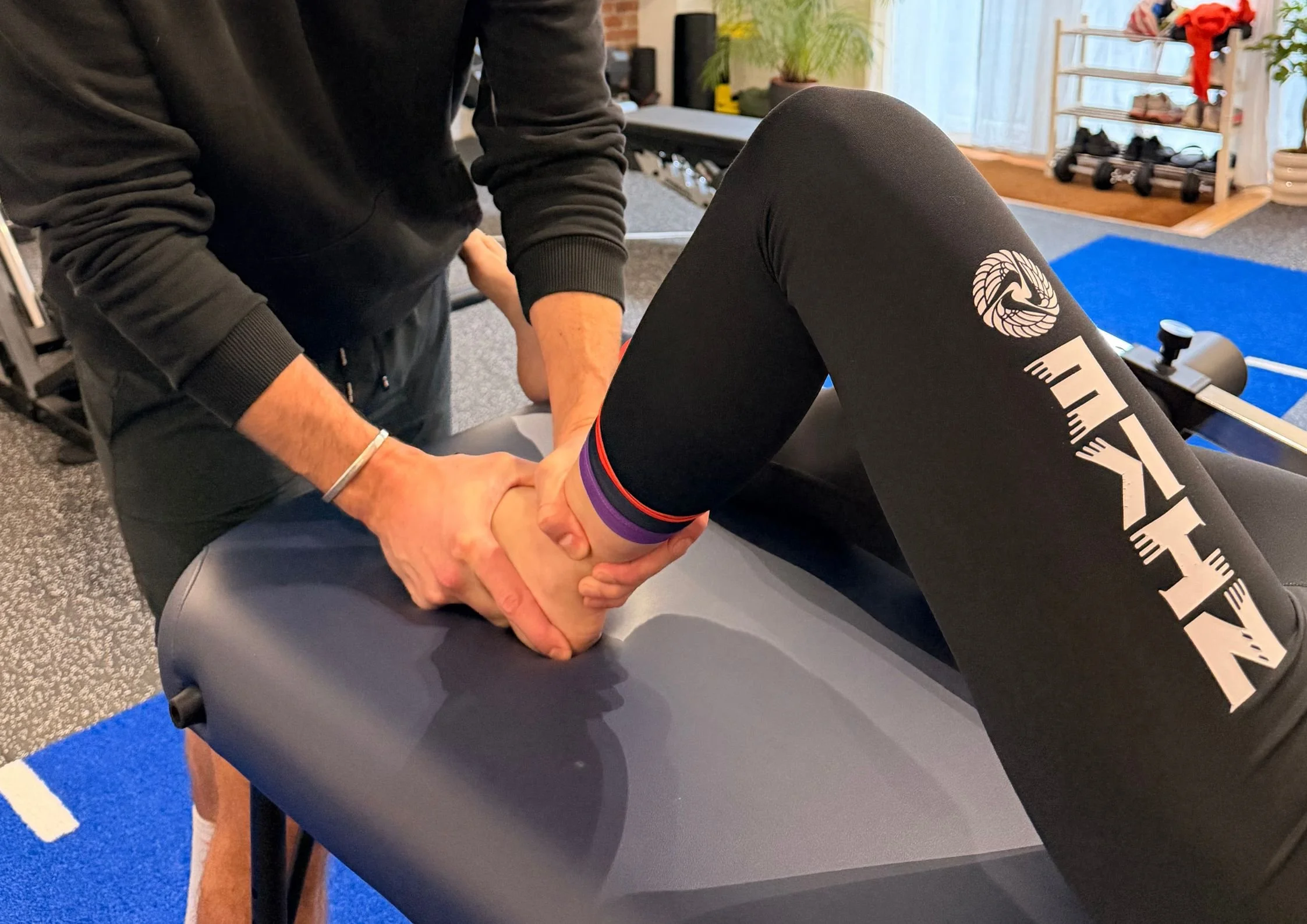
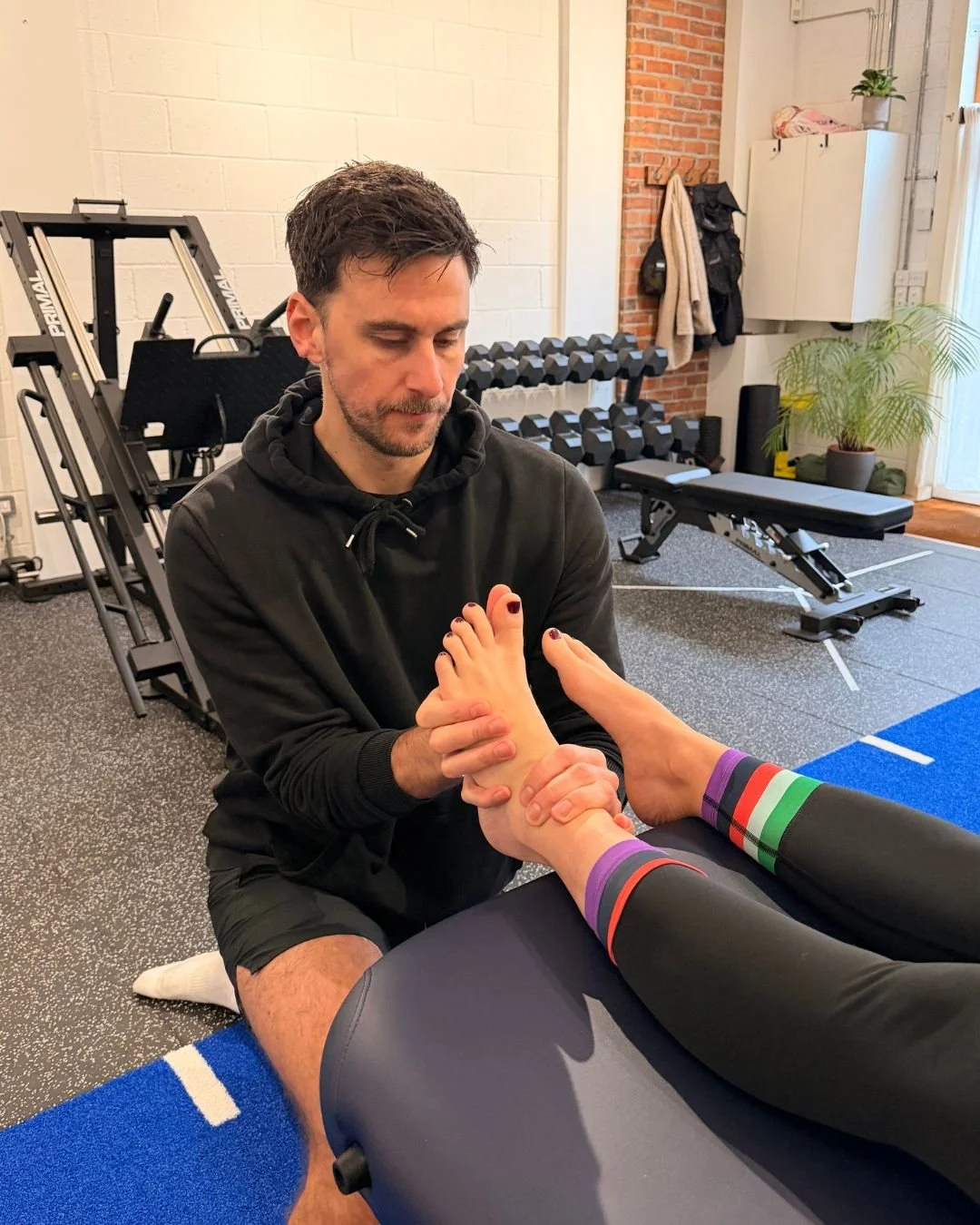
Rehabilitation combines hands-on physiotherapy, strength training and load management to restore your body’s ability to tolerate running. Whether your goal is to return to pain-free running, build consistency or improve performance, treatment is tailored to your individual needs.
Based in St Paul's, Bristol BS2, I work with runners across the city including Montpelier, Stokes Croft, Cotham, Redland, Bishopston, Easton, Clifton and surrounding areas — from first-time 5k runners to ultra athletes and everyone in between.
Not sure what to expect? Find out here →
Common Running Injuries
Running injuries are often related to training load, strength deficits, movement patterns or recovery factors. Many injuries develop gradually rather than from a single event.
Common running injuries include:
Patellofemoral pain (runner’s knee)
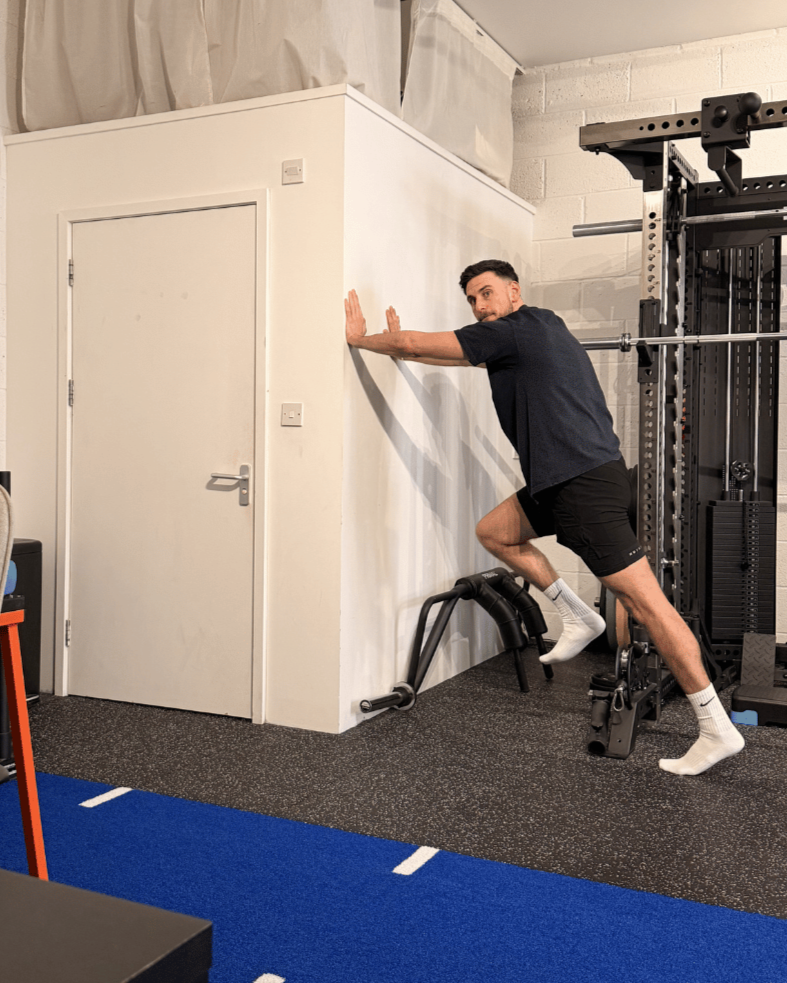
Calf muscle strains
Bone stress injuries and stress fractures
Plantar heel pain / Plantar fasciitis or fasciopathy
Iliotibial band (ITB) pain
Early assessment and appropriate rehabilitation can help prevent injuries from becoming persistent and support a quicker return to running.
Why Running Injuries Occur — And Why Rest Usually Isn't the Answer
Most running injuries aren't random events. They're load management failures.
Running places repetitive, predictable load on the body — each mile asks muscles, tendons and bones to absorb and transmit force thousands of times. Injury typically occurs when that load exceeds what the tissue is currently prepared to handle. The imbalance is usually one of four things:
Training load increased too quickly — higher weekly mileage, faster pace, more intense sessions, or all three simultaneously
Recovery between sessions insufficient for adaptation — either not enough sleep, not enough rest days, or both
Tissue capacity lower than the load demands — often from insufficient strength work, or returning from a prior injury before capacity was fully rebuilt
External factors — new shoes, harder surfaces, major training structure changes, or life stress affecting recovery
Why "Rest" Usually Isn't the Answer
The traditional advice for running injuries is rest. Sometimes that's right — acute stress fractures need protected loading, acute tendon ruptures need surgery, certain injuries do require a period of offloading.
But for the majority of running injuries — tendon pain, overuse knee pain, ITB symptoms, recurrent niggles — rest alone doesn't fix the problem. It often masks it. Symptoms settle when you stop running, then return when you start again, because the underlying tissue capacity hasn't changed.
What works better is load modification combined with targeted strengthening. Reducing the specific load that's provoking symptoms while building capacity in the tissues that need it. Running-specific fitness can often be maintained through cross-training and adjusted running during this period.
This is why assessment is important — knowing which injuries genuinely need rest and which need load management is what separates effective rehabilitation from cycles of rest and return that never fully resolve.
How Running Injuries Are Assessed
Running injuries are rarely caused by a single factor. Assessment focuses on understanding both the injury and the factors contributing to it.
This may include:
Training history, running load and goals
Recent changes in running routine
Previous injuries
Strength training history
Footwear and running surfaces
Rest and recovery habits
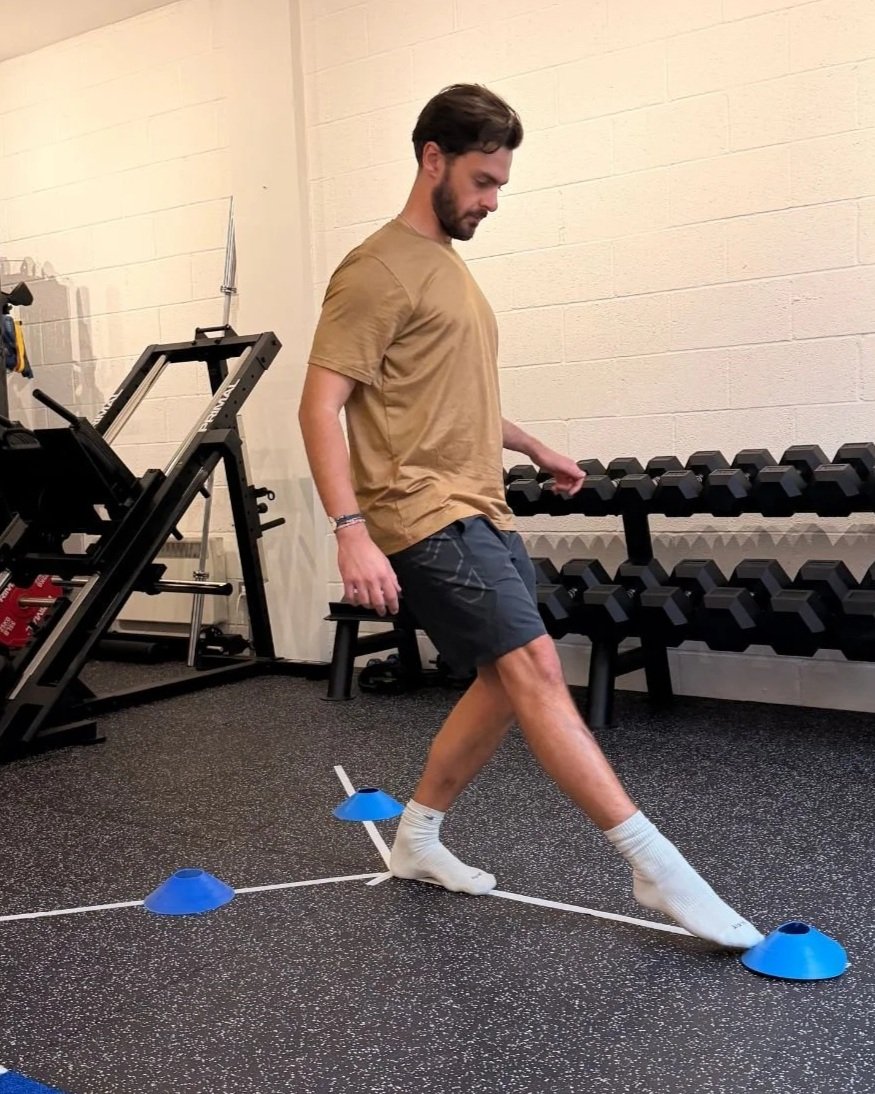
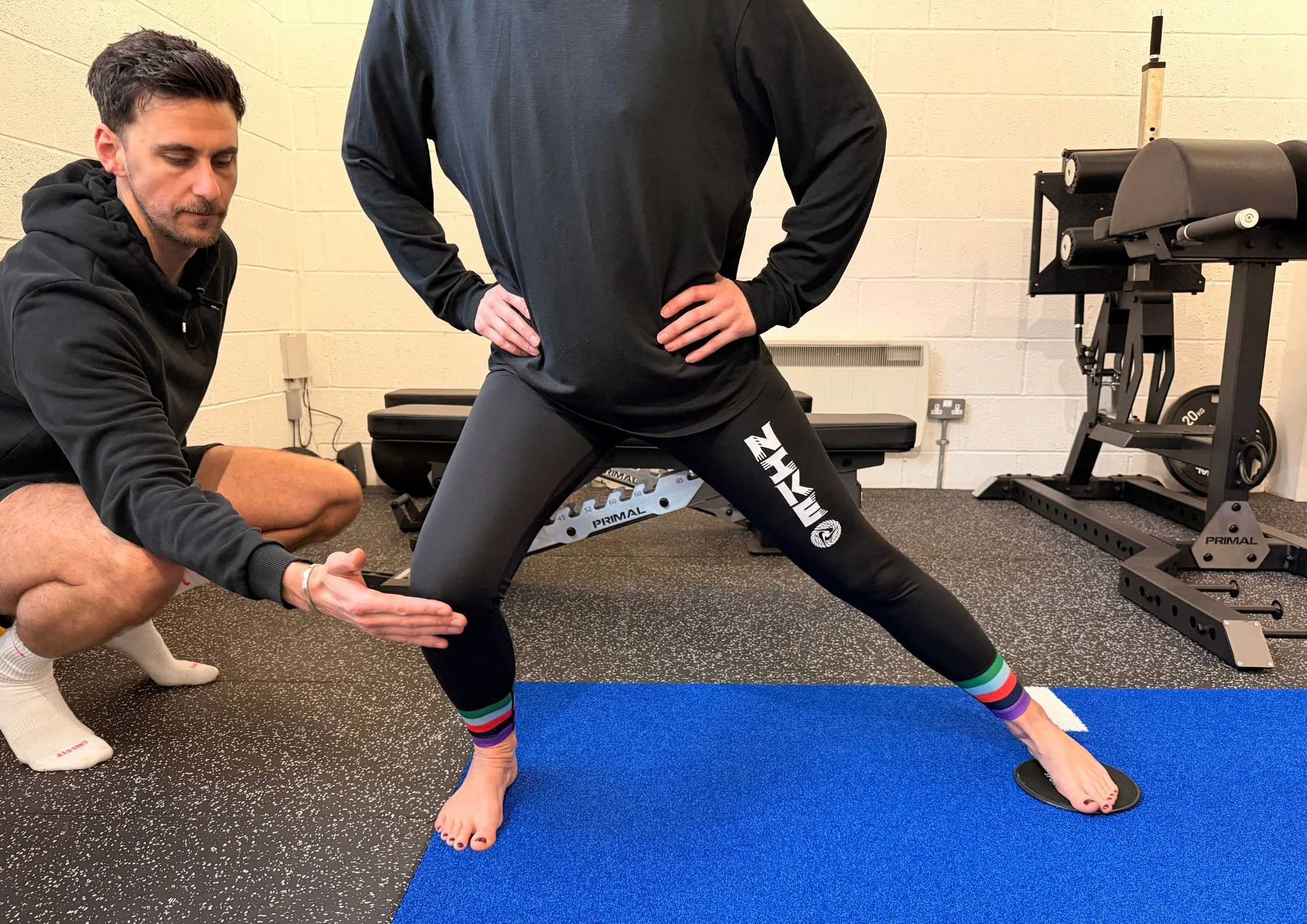
Where appropriate, I also assess running-related movement and gait. Using video analysis and functional movement screening, I can identify how load is distributed through the lower limb during running tasks - including contact mechanics, hip and knee control, and movement asymmetries. This doesn't require a treadmill setup. Video-based gait assessment is a well-established clinical tool, and combined with force plate and strength data, it provides a thorough picture of how your body is moving and where the priorities lie.
Rest, Recovery and the Bigger Picture
Training adaptation doesn't happen during training. It happens during recovery.
When rest and recovery don't match the training load being applied, the body doesn't have the chance to adapt — and eventually, something breaks down. For runners this most commonly shows up as persistent injury, repeated niggles, declining performance, or bone stress injuries.
The Sleep, Nutrition and Stress Axis
Three factors dominate recovery quality:
Sleep — the single most important recovery tool. Most athletes underestimate how much their training requires; many runners training at meaningful volumes need 8+ hours
Nutrition — not just total calories, but adequate carbohydrate to fuel training and adequate protein to support tissue adaptation. Many endurance runners under-fuel, sometimes unintentionally
Life stress — work, relationships, family, finances — all share the same recovery "bucket" as training. High life stress reduces the training load the body can adapt to
I factor all of these into assessment and rehabilitation planning. Someone training through significant life stress needs a different programme to someone with recovery capacity to spare — even if their physical presentation looks identical.
RED-S — Relative Energy Deficiency in Sport
Relative Energy Deficiency in Sport (RED-S) describes the impact on health and performance when an athlete's energy intake is consistently lower than what's needed to support their training and basic physiology.
It affects both male and female athletes. Signs can include persistent fatigue, recurrent injuries (particularly bone stress injuries), loss of menstrual cycle in female athletes, reduced libido and mood changes in male athletes, declining performance despite continued training, and frequent illness.
Importantly, RED-S is not about having an eating disorder — many affected athletes are simply under-fuelling unintentionally, often because they're trying to manage weight or have progressively increased training volume without proportionally increasing intake.
Where I identify signs suggesting low energy availability or RED-S during assessment, I don't manage this alone. RED-S requires a multidisciplinary team — typically GP involvement, sports dietitian input, and sometimes psychology support. My role is to recognise it, work within the wider team, and modify rehabilitation appropriately while the underlying energy status is addressed.
I cover this in detail as part of bone stress injury management — you can read more on the bone stress injuries page.
Read more about RED-S and bone health →
Rehabilitation — The Right Strength at the Right Time
Strength training is essential in running injury rehabilitation. But "strength training" covers a wide spectrum of exercises with very different physiological effects. Getting the right type at the right time is what makes rehabilitation actually work.
Isometric Strength
Isometric exercises involve producing force against an immovable resistance — no joint movement, no changing muscle length.
When I use them: early in rehabilitation when symptoms are reactive, or as an analgesic effect in irritable tendons
Why: they build strength with minimal mechanical load, allowing progression without provoking symptoms. They also have research evidence of immediate pain reduction in some tendon presentations
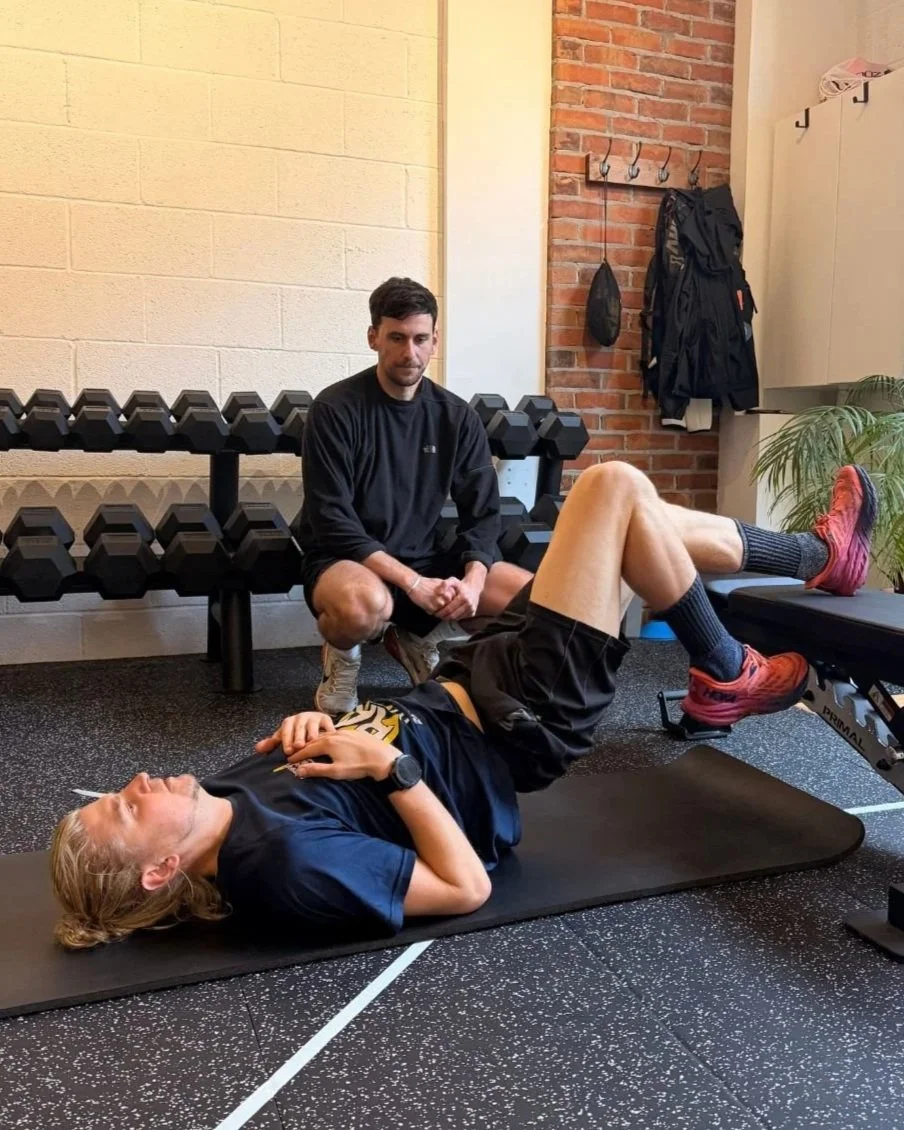
Examples: isometric calf holds for Achilles pain, Spanish squats for patellar tendon pain, isometric single-leg bridges
Heavy Slow Resistance (HSR)
HSR involves slow, controlled repetitions (typically 6 seconds per rep) against heavy load — usually bilateral compound lifts or machine-based resistance.
When I use them: as the foundation of tendon rehabilitation once isometric tolerance is established, and as a base layer for all running injury strength work
Why: HSR loads tendons and muscles through their full range under substantial resistance, building structural capacity and strength. Research strongly supports HSR for tendon pathologies
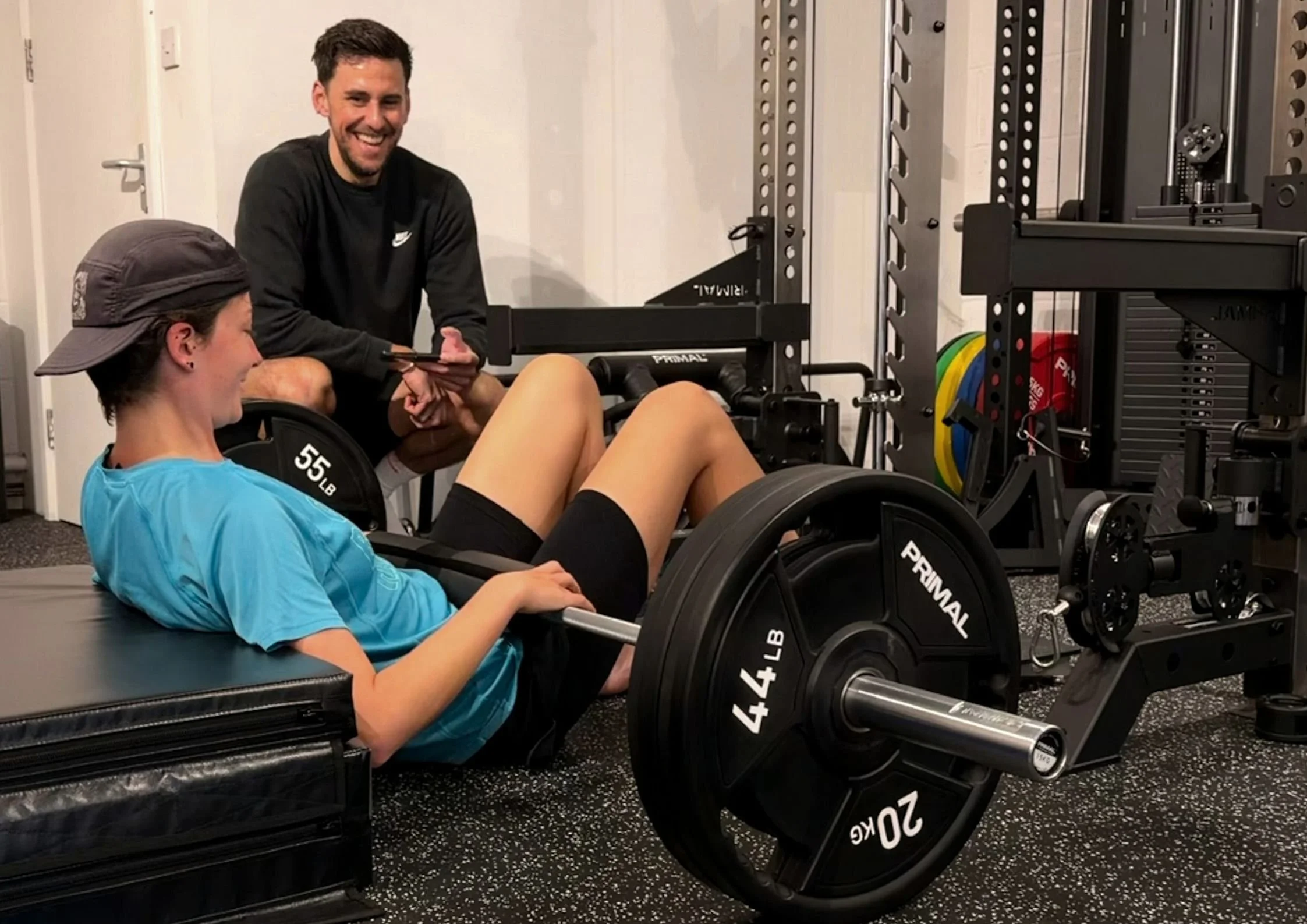
Examples: slow squats, Romanian deadlifts, slow calf raises with heavy load
Stretch-Shortening Cycle (SSC) Work
SSC exercises use the rapid stretch-then-shorten pattern that running actually demands — plyometric hops, jumps, bounds, skips.
When I use them: once foundational strength is built and symptoms are settled, to bridge the gap between strength and running-specific demands
Why: running is a plyometric activity. Without SSC training, the tissues aren't prepared for the specific demands of running load. Skipping this stage is one of the most common reasons return to running fails
Examples: double-leg hops progressing to single-leg, drop jumps, bounds, skipping drills
Running-Specific Progression
Finally, rehabilitation integrates back into running itself — graded walk-run progressions, structured return-to-running programmes, and gradual restoration of training structure.
When: once strength, capacity and SSC tolerance are adequate, and symptoms are controlled through lower-load exercise
Why: running is the ultimate specificity test. No gym exercise fully replaces the specific demand of running itself — it has to be progressively reintroduced
Periodisation — Making It All Fit Together
Running and strength work don't compete for recovery equally — they both draw on the same recovery capacity. Periodisation is about structuring strength work within your running training so that neither compromises the other.
During heavy running volume, strength work may be lower-volume, higher-intensity, focused on maintenance. During off seasons or rebuilding phases, strength work can take priority while running serves as a secondary stimulus. During injury rehabilitation, running is adjusted to support strength work being the primary driver.
The detail varies by individual, injury and goals — but the principle is that strength and running should be structured to complement each other, not compete.
Getting the right type of strength at the right time, in the right volume relative to running — this is what separates rehabilitation that works from rehabilitation that doesn't.
Return to Running
Returning to running after injury should be gradual and structured. Attempting to return too quickly can increase the risk of symptoms returning.
Return-to-running programmes may involve:
Walk–run progressions
Gradual increases in training volume
Monitoring symptoms during and after running
Integrating strength training alongside running
Rehabilitation aims to restore both strength and running tolerance so that individuals can return to training with confidence.
A Strength and Performance-Based Approach
At ADAPT. PERFORM., rehabilitation focuses on more than reducing pain.
Running places repeated load through muscles, tendons and bones. If these tissues are not prepared for that load, symptoms can persist or return.
Rehabilitation therefore focuses on rebuilding strength and improving your body’s ability to tolerate running.
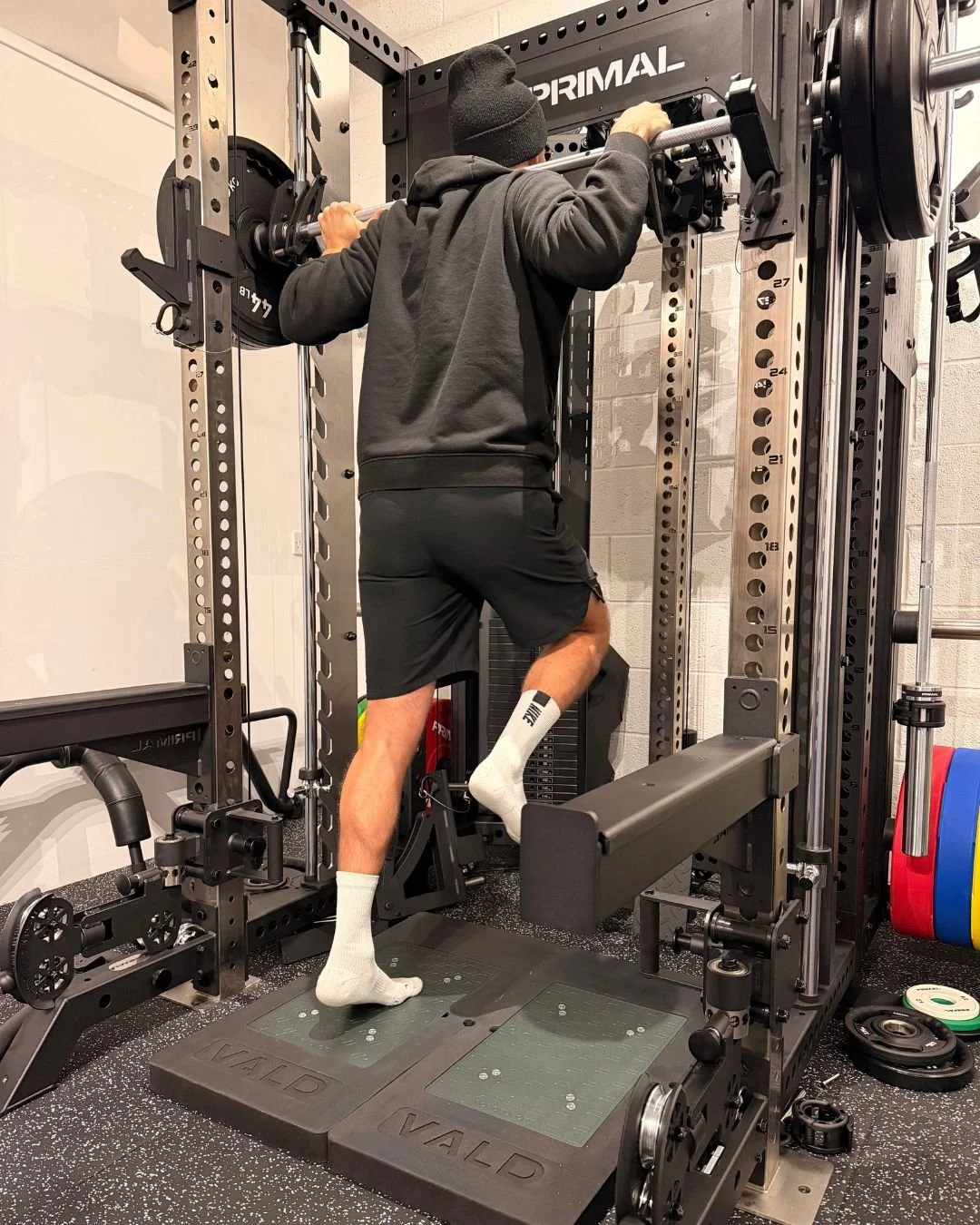
Where appropriate, tools such as force plates, strength testing and capacity assessments may be used to guide progress and help ensure you are prepared to return to running safely.
Who This is For
Running injury physiotherapy is suitable for:
Runners returning from injury
Individuals new to running
Those increasing training volume
Runners experiencing recurring injuries
Individuals looking to improve running capacity
When to Seek Physiotherapy for a Running Injury
It may be helpful to seek physiotherapy if you experience:
Pain during or after running that persists for several days
Symptoms that worsen with increasing training load
Difficulty returning to running after injury
Repeated injuries affecting the same area
Reduced strength or performance
Early assessment can help identify contributing factors and guide an appropriate rehabilitation plan.
Running Injury Physiotherapy at ADAPT. PERFORM.
ADAPT. PERFORM., in St Paul’s, Bristol, BS2 is a physiotherapy and performance clinic supporting runners and active individuals with injury rehabilitation and return to running.
Rehabilitation programmes combine physiotherapy assessment, strength training and performance-based rehabilitation to support recovery and long-term performance.
Learn more about…
Ready to Return to Running Properly?
Whether you're dealing with a specific injury, working through recurring niggles that never quite resolve, or you want to set up your training for the long term with proper load management and strength work — I can help.
Based in St Paul's, Bristol BS2, I work with runners at every level using evidence-based rehabilitation, objective strength testing and a clinical approach that goes beyond "rest and see how it feels."
See appointment options and pricing →