
Sciatica Physiotherapy in Bristol
Evidence-Based Physiotherapy for Nerve Pain & Disc-Related Back Pain at ADAPT. PERFORM.
Sciatica can be painful, frustrating, and sometimes worrying. Whether it began suddenly after lifting, developed gradually, or followed a flare of lower back pain, structured rehabilitation is key to recovery.
ADAPT. PERFORM. based in St Paul’s, Bristol BS2 we provide evidence-based sciatica treatment in Bristol — focusing on progressive loading, nerve desensitisation, strength rebuilding, and long-term resilience.
Most cases improve without surgery. The right approach is progressive, not passive.
Not sure what to expect at your first appointment? Find out here →
What Is Sciatica?
Sciatica describes pain that travels from the lower back into the buttock and down the leg. It may be caused by:
Disc irritation
Nerve root inflammation
Lumbar disc bulge or herniation
Spinal stenosis
Acute flare of lower back pain
Symptoms can include:
Sharp or burning leg pain
Pins and needles
Numbness
Weakness in the leg
Pain aggravated by sitting or bending
Importantly, imaging findings do not always correlate with symptoms. Many people have disc bulges without pain.
Why Sciatica Develops
Sciatica often occurs when the lumbar spine is exposed to load beyond its current capacity.
Contributing factors may include:
Sudden increase in lifting or training
Prolonged sitting
Reduced trunk strength
Poor load management
Previous back pain episodes
Stress and sleep disruption
Research shows that most disc-related nerve pain improves within weeks to months with conservative management.
Is It Really Sciatica?
'Sciatica' is one of the most over-applied terms in musculoskeletal health. Many people self-diagnose with sciatica based on leg pain, but genuine sciatic nerve root compression is just one of several conditions that can produce similar symptoms. Getting the diagnosis right matters, because the management differs considerably between them.
Conditions that are frequently mistaken for sciatica include:
Piriformis syndrome or Deep gluteal pain — sciatic nerve irritation at the piriformis muscle in the posterior hip, producing buttock and posterior thigh pain without lumbar nerve root involvement. Often misidentified as true radiculopathy
Proximal hamstring tendinopathy — deep buttock and posterior thigh pain worsened by sitting, sometimes accompanied by local nerve irritation, closely mimicking L5/S1 referral
Lumbar facet referral — non-dermatomal referral into the buttock and posterior thigh from lumbar facet joint irritation, without true nerve root compression
Peripheral nerve sensitisation — heightened neural mechanosensitivity producing leg symptoms along the sciatic nerve distribution without structural compression
Vascular claudication — posterior leg pain and fatigue with walking that improves with rest; more common in older adults and occasionally mistaken for neurogenic claudication
Hamstring strain — acute posterior thigh pain following a sprint or rapid eccentric load, occasionally confused with acute L5/S1 radiculopathy
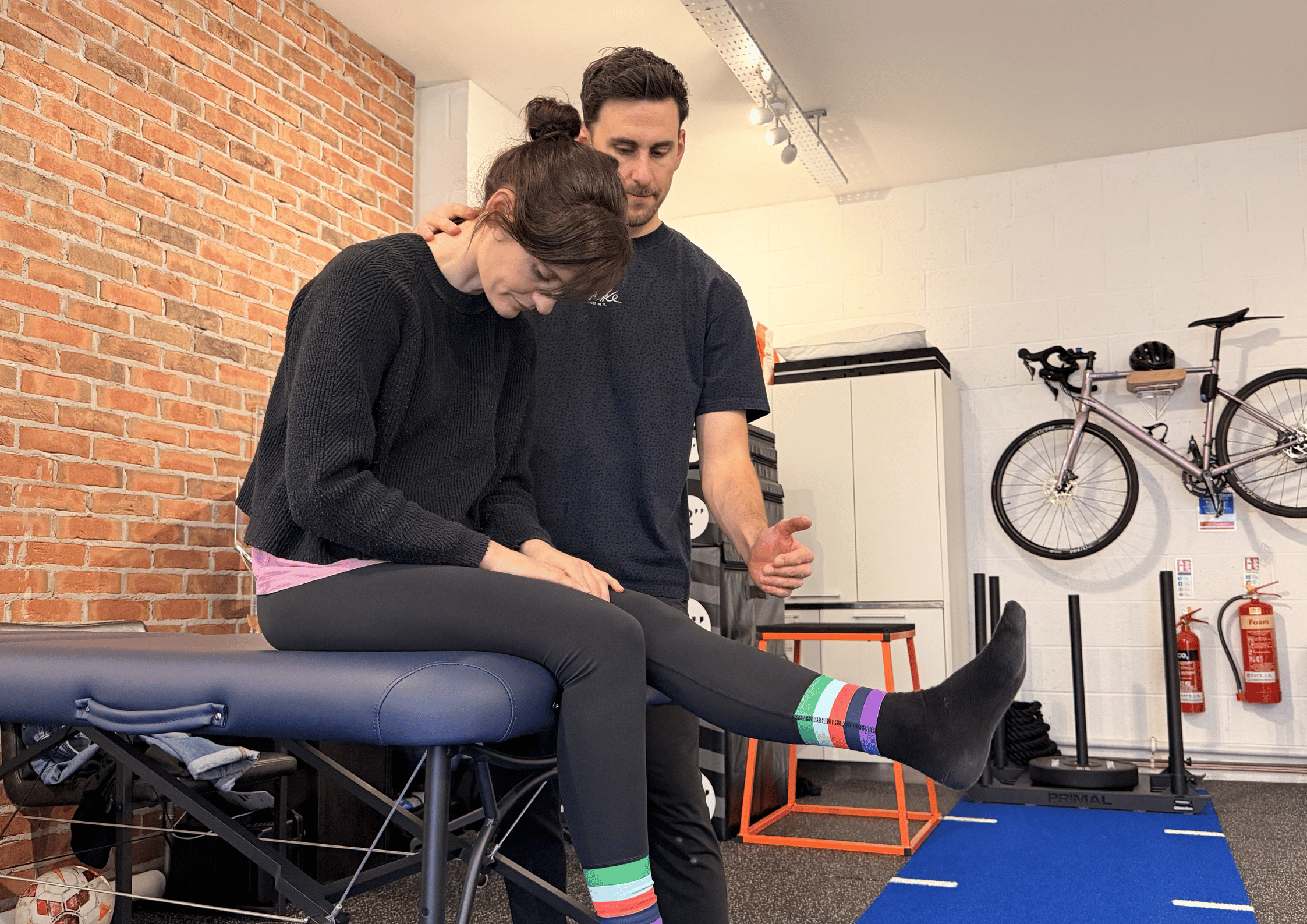
At ADAPT. PERFORM., neural tension testing, lumbar assessment and peripheral differentiation are used to clarify the primary pain driver before committing to a rehabilitation approach. True nerve root compression, peripheral sensitisation and local soft tissue sources all have different optimal loading strategies.
How I Assess Sciatica in Bristol
At ADAPT. PERFORM., assessment includes:
Lumbar movement testing
Neural tension testing
Strength and reflex screening
Functional movement assessment
Load tolerance profiling
I identify whether symptoms are primarily:
Acute nerve irritation
Load sensitivity
Movement intolerance
Or strength deficit-related
This allows us to tailor treatment precisely.
The ADAPT. PERFORM. Approach
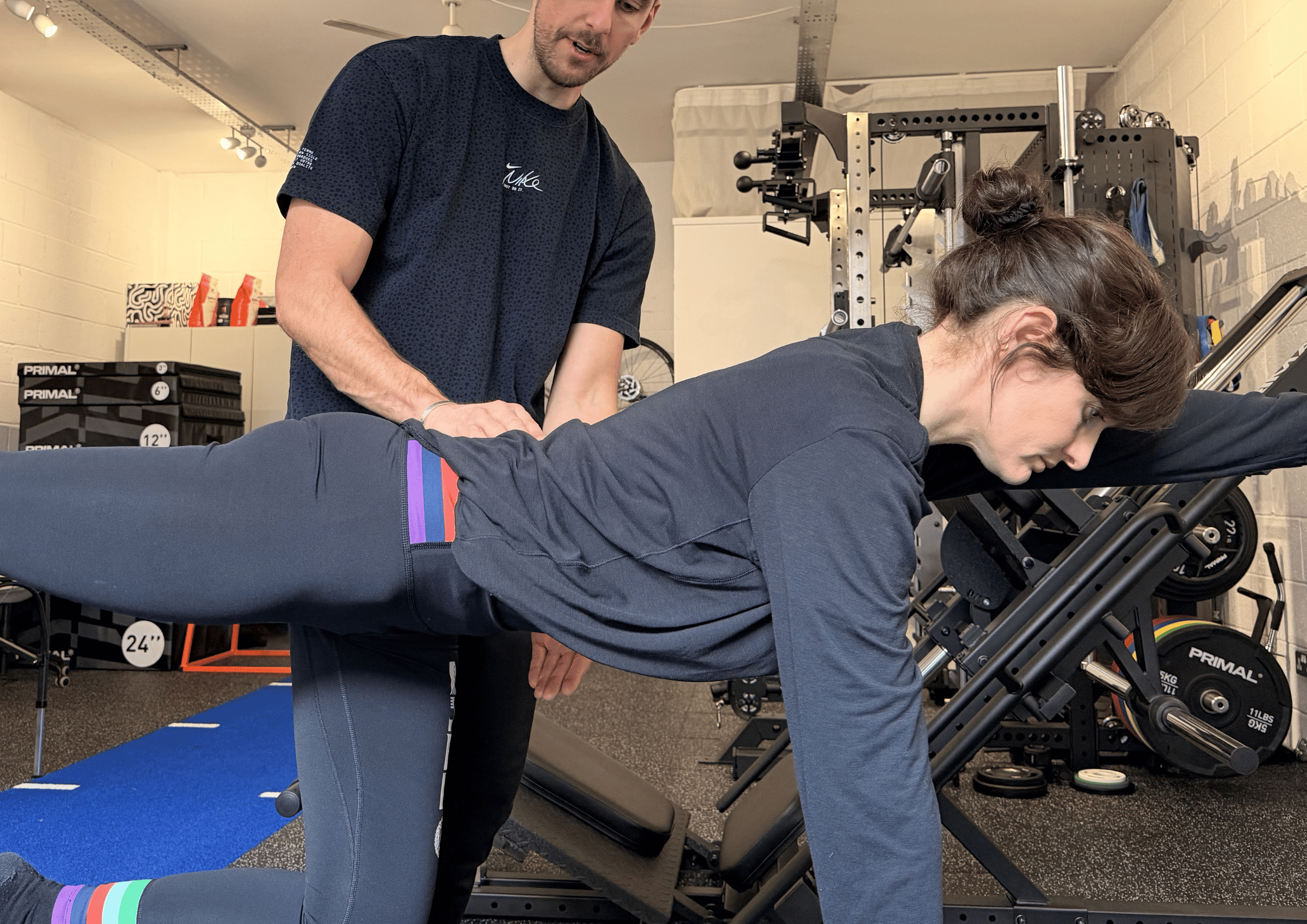
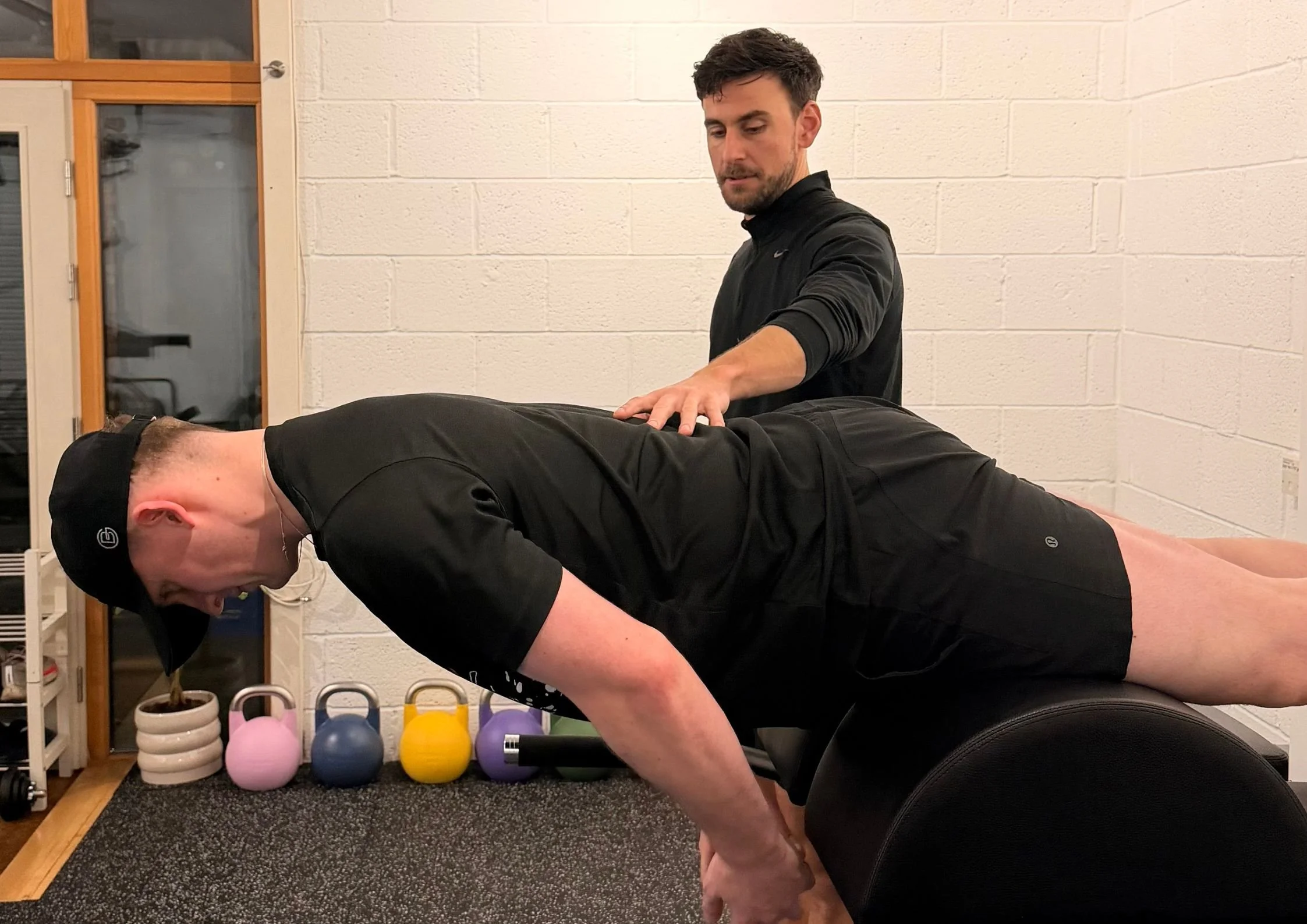
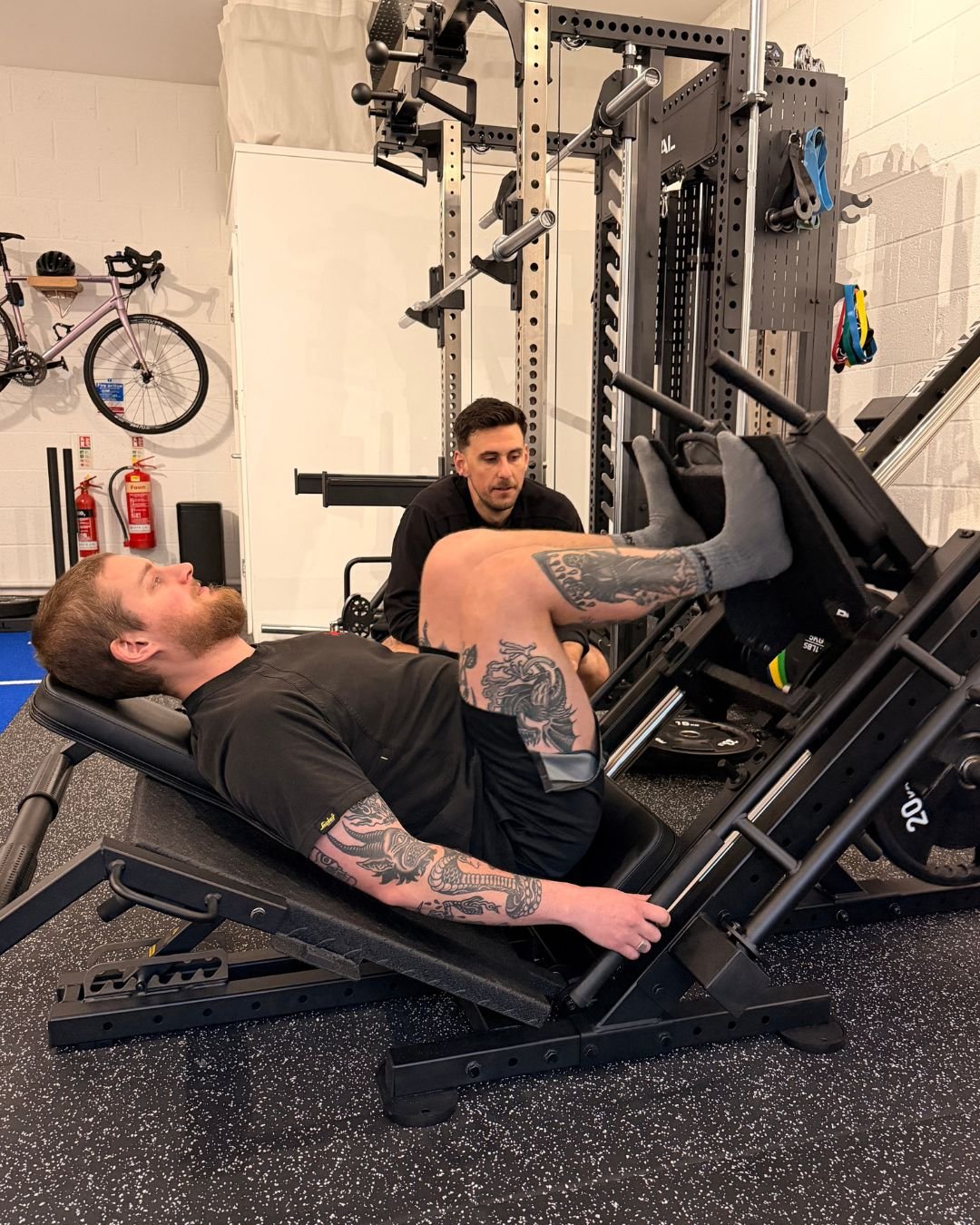
I use our ADAPT → RECOVER → PERFORM system.
ADAPT
I assess your symptoms, irritability level, and functional goals. Education is essential — reducing fear around disc findings and movement.
RECOVER
Early management may include:
Graded movement exposure
Pain-modulated loading
Neural mobility work
Gentle trunk strengthening
Manual therapy when appropriate
Prolonged bed rest is not recommended. Evidence supports early, controlled movement.
PERFORM
As symptoms settle, we progress toward:
Progressive spinal loading
Deadlift and squat reintroduction
Running reintroduction (if relevant)
Rotational control
Impact tolerance
Many people stop rehabilitation when leg pain reduces — leaving trunk capacity underdeveloped.
For athletes and active individuals, this phase includes return to sport-specific loading, running progressions and objective strength benchmarks. For those with work or daily life limitations, the goal is rebuilding the confidence and capacity to lift, sit, drive and move without symptom recurrence. Progression is criteria-based throughout.
Evidence-Based Recovery Timeframes
Recovery varies depending on severity.
Acute Disc-Related Sciatica
Significant improvement often occurs within 6–12 weeks
Most people improve without surgery
Persistent Sciatica
Structured rehabilitation over 12+ weeks can improve function and pain tolerance
Strength rebuilding is critical for long-term outcomes
When Is Surgery Needed?
Surgical referral may be considered if:
Progressive neurological weakness
Loss of bladder/bowel control (medical emergency)
Severe symptoms not improving after extended conservative care
Most cases, however, recover well with physiotherapy.
Return to Gym, Sport & Work
Before returning fully to:
Heavy lifting
Running
Contact sport
Long desk days
High-intensity training
You should demonstrate:
Trunk strength endurance
Controlled hip hinge mechanics
Neural symptom stability
Repeated load tolerance
Pain-free does not automatically mean spine-ready.
When Should You Seek Physiotherapy?
Consider booking an assessment if:
Leg pain persists beyond 1–2 weeks
Symptoms are worsening
You feel weakness in the leg
Sitting significantly aggravates pain
You’re unsure how to progress safely
Early structured intervention reduces chronicity risk.
Why Choose ADAPT. PERFORM. for Sciatica in Bristol?
I focus on:
Active rehabilitation
Progressive strength rebuilding
Clear recovery timelines
Evidence-based education
Performance-focused progression
My aim is not simply to calm pain — but to restore capacity.
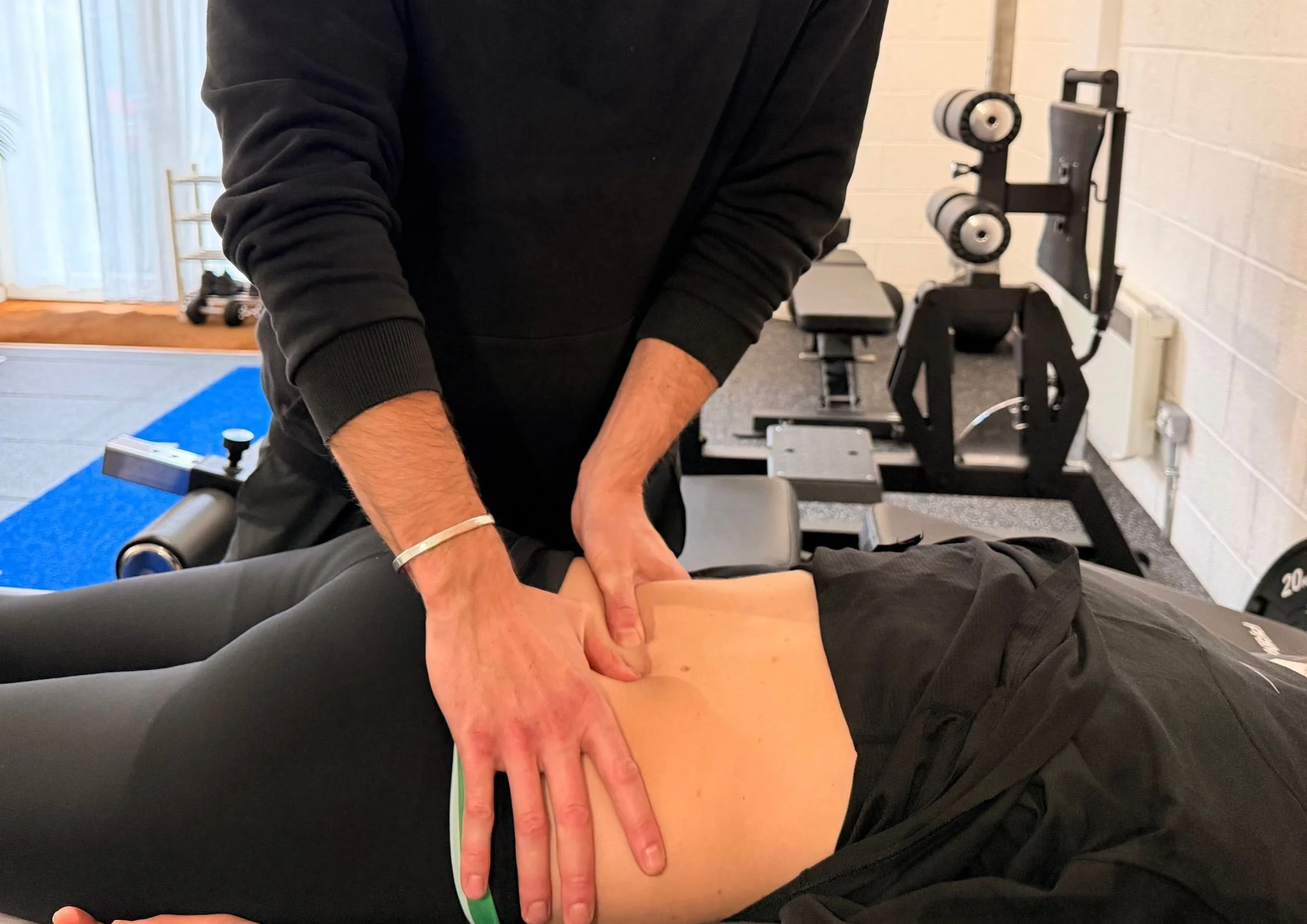
In-Person Physiotherapy
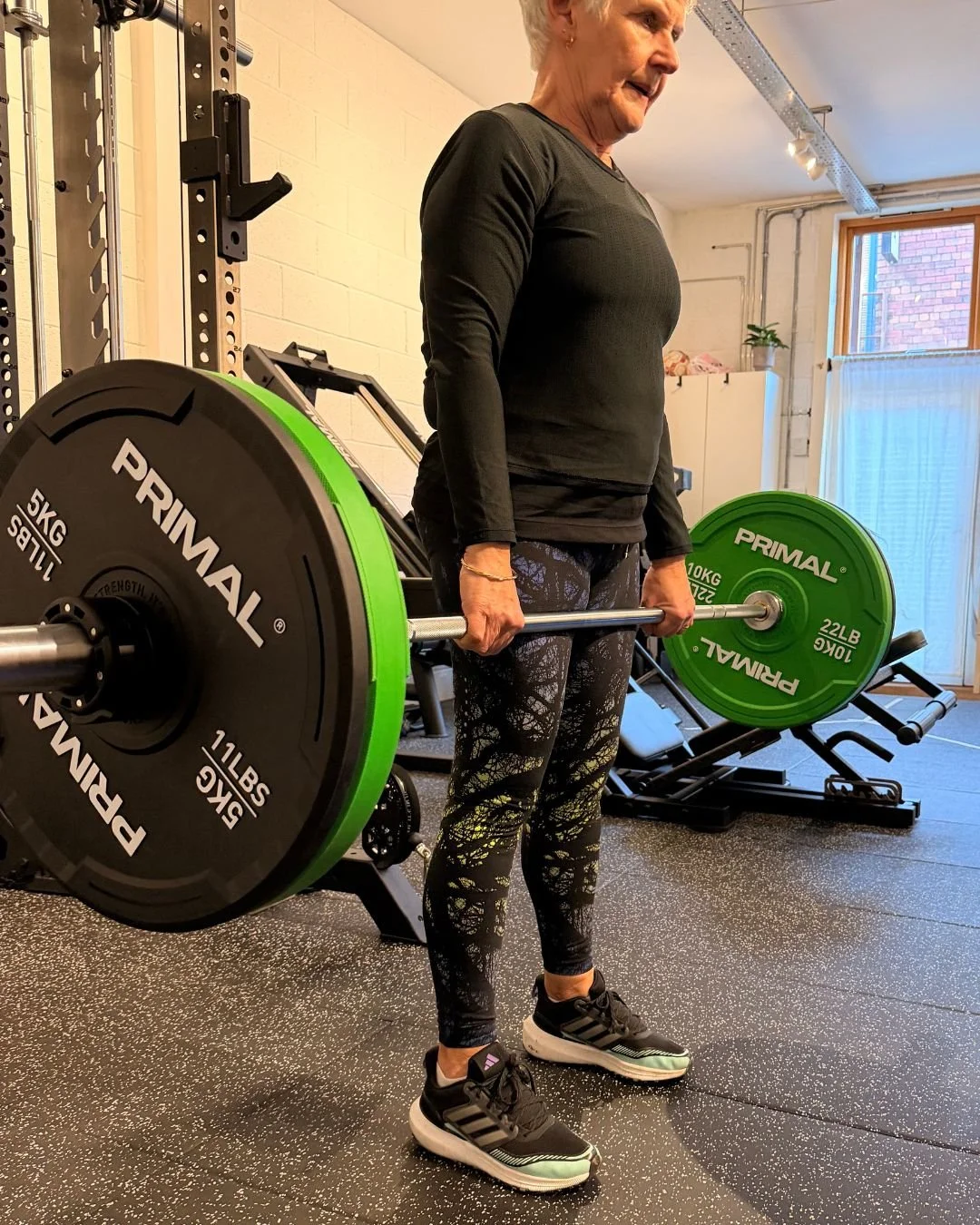
Strength & Conditioning
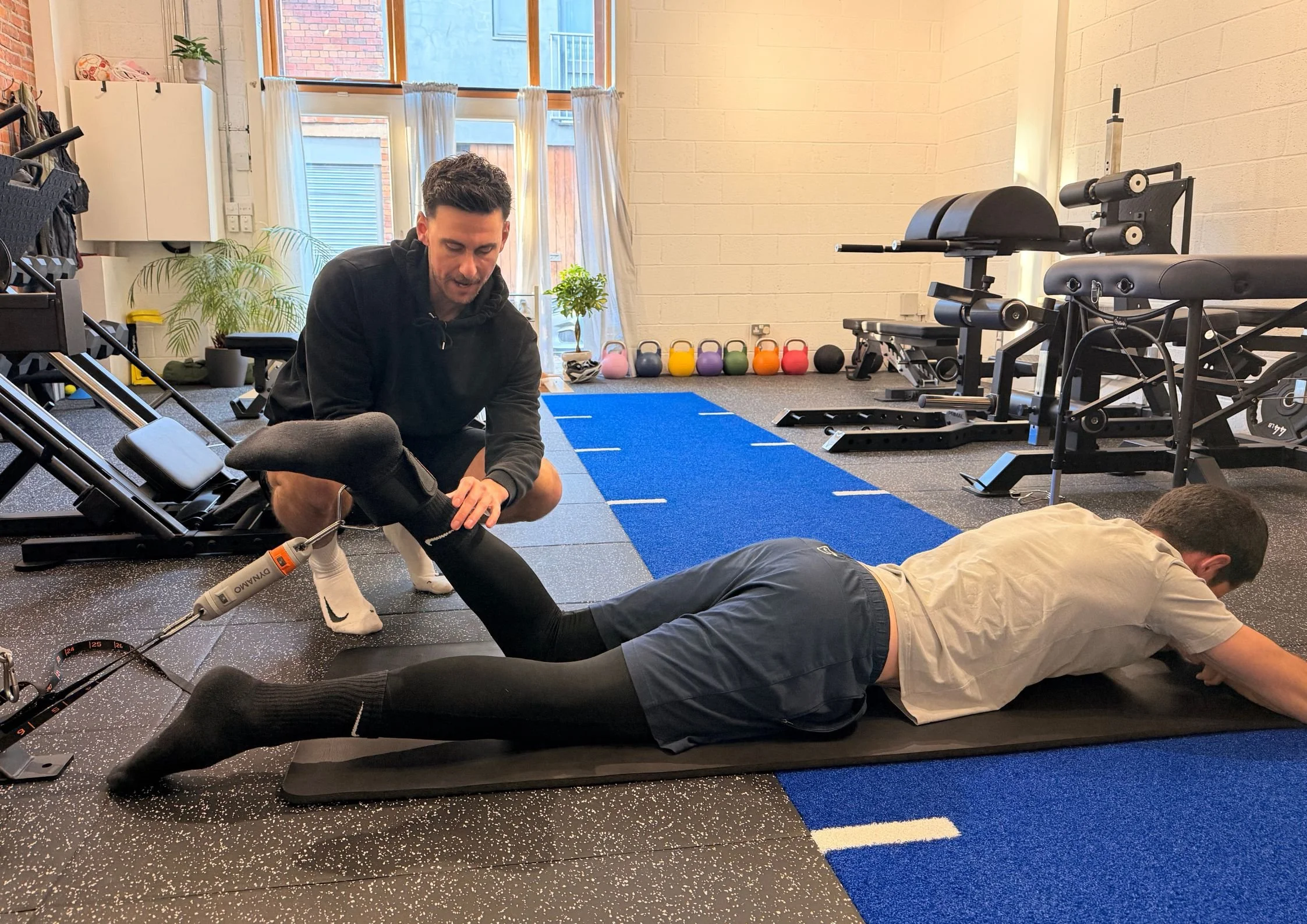
Performance Testing & Analysis
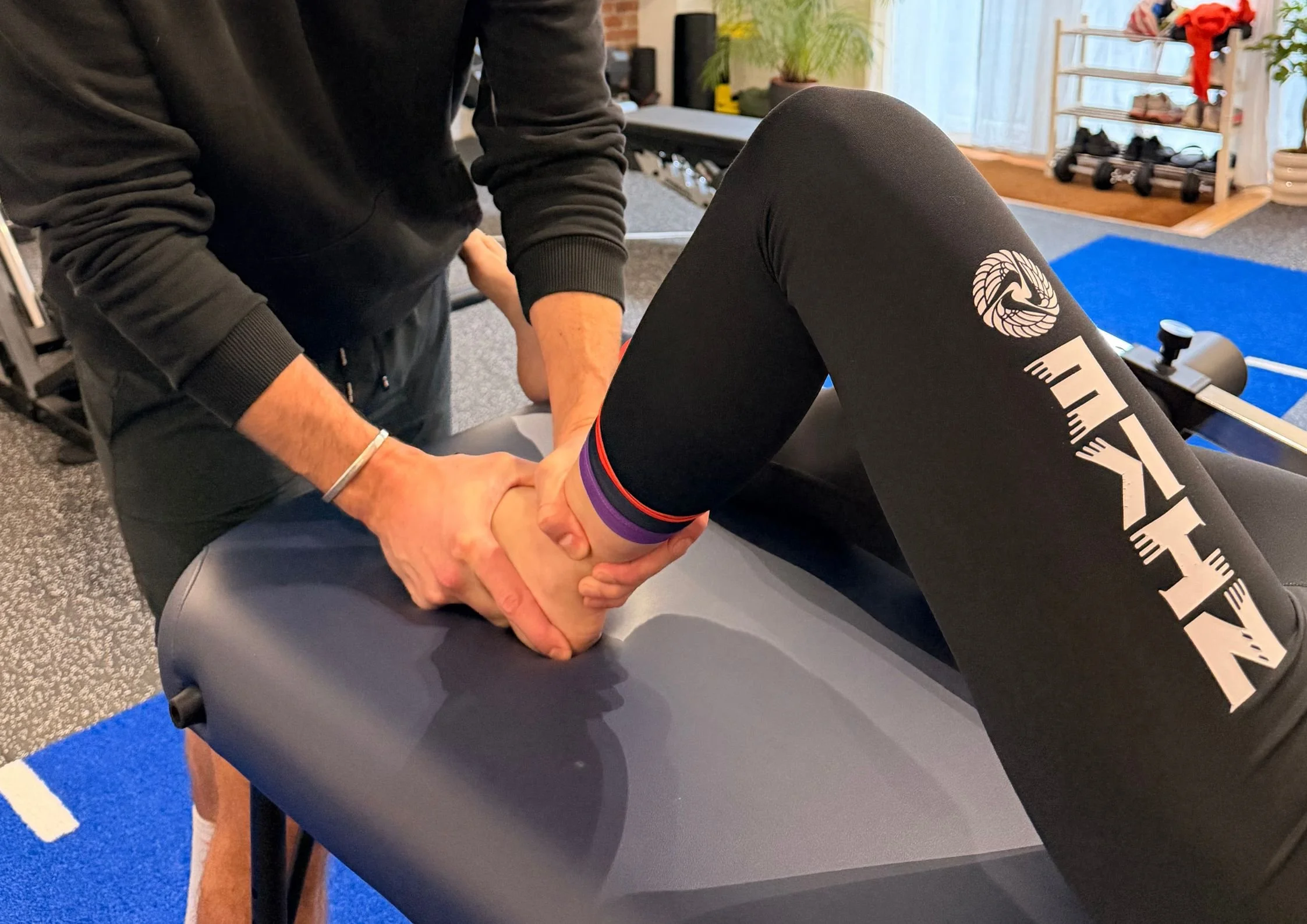
Ankle Pain
Ready to Address Your Sciatica?
Based in St Paul’s, Bristol BS2, I work with people managing sciatica across the city — from athletes dealing with disc-related flare-ups to those who’ve been struggling with nerve pain for months and haven’t found an approach that actually moves things forward.
Book your initial assessment and leave with a clear understanding of what’s driving your symptoms and a structured plan to move forward.
See appointment options and pricing →