
Bone Stress Injury Rehabilitation in Bristol
Bone stress injuries are one of the most common overuse injuries affecting runners and endurance athletes. They occur when repetitive loading placed on a bone exceeds the bone’s ability to adapt and recover.
Bone stress injuries exist on a spectrum that ranges from early bone stress reactions to stress fractures.
At ADAPT. PERFORM., rehabilitation focuses on identifying the factors that contributed to the injury and guiding a structured recovery process that allows the bone to heal while gradually rebuilding strength and capacity for running.
Rehabilitation programmes combine physiotherapy assessment, strength training and carefully progressed return-to-running plans.
Based in St Paul's, Bristol BS2, I work with runners and endurance athletes across the city — from those recently diagnosed through to those returning to training after recovery. Bone stress injury rehabilitation requires both the physical rebuild and a clear-eyed look at what caused the injury in the first place.
Not sure what to expect? Find out here →
What is a Bone Stress Injury?
Bones are living tissues that constantly adapt to the loads placed upon them. Running and other weight-bearing activities stimulate bone to become stronger when the load is appropriate.
However, when the volume or intensity of loading increases faster than the body can adapt, microscopic damage can accumulate within the bone.
If this stress continues without adequate recovery, the bone may develop a bone stress injury.
Bone stress injuries occur along a spectrum that includes:
• bone stress reaction
• bone stress injury
• stress fracture
Early identification and appropriate management can help prevent progression to more severe injury.
Common Stress Fracture Sites in Runners
Stress fractures aren't all the same. Different sites have different mechanisms, different risks, and different rehabilitation implications. Understanding which bones are commonly involved and why helps with both prevention and management.
Tibia (Shin)
The single most common site of stress fracture in runners. Most commonly affects the medial tibial cortex (inner edge of the shin) or the posteromedial border.
Mechanism: repeated tensile and compressive forces through the tibia during running
Recovery: typically one of the more straightforward stress fracture locations to manage, with structured load reduction and return-to-running programmes
Important distinction: anterior tibial cortex stress fractures are a much higher-risk variant — these can progress to complete fracture and require extended protected loading and specialist management
Metatarsals (Foot)
Second most common location. Most commonly affects the 2nd and 3rd metatarsals, but the 5th metatarsal is a higher-risk site.
2nd/3rd metatarsals: usually from overload with increased volume; typically respond well to load modification
5th metatarsal (base): higher-risk due to poor blood supply. Often requires a period of non-weight-bearing and sometimes surgical consideration
Distinguishing between these matters — the rehabilitation pathway is very different
Navicular (Midfoot)
One of the higher-risk stress fracture locations. The navicular sits in a position with poor blood supply, making healing slow.
Typically requires non-weight-bearing (often in a boot) for 6–8 weeks
Return to running typically 4–6 months, and progressed carefully
Often under-recognised — pain can be vague and non-specific, meaning diagnosis is frequently delayed
Femur
Femoral stress fractures in runners occur most commonly at the femoral neck (near the hip) or femoral shaft.
Femoral neck: one of the highest-risk stress fracture locations — can progress to displaced fracture requiring surgery. Requires immediate medical input, imaging, and often a period of non-weight-bearing
Femoral shaft: typically managed with load reduction and progressive return, though healing takes several months
Both variants require careful management and often MDT input
Pelvis and Sacrum
Pelvic and sacral stress fractures are more common than often appreciated, particularly in female endurance athletes.
Often present with vague groin, buttock or lower back pain that doesn't fit typical patterns
Frequently associated with low energy availability and RED-S
Typically require 6–8 weeks of relative rest from impact, with graduated return
Fibula
Less common but seen in runners with specific loading patterns.
Usually affects the distal fibula (lower leg)
Generally one of the more responsive sites to load management
Each of these locations has a different risk profile and rehabilitation implication. Initial assessment typically involves imaging (X-ray, MRI or CT depending on suspected location and severity) in collaboration with your GP or sports physician — I work alongside medical imaging and specialist input where needed.
| Site | Risk level | Typical return | Key notes |
|---|---|---|---|
| Tibia (medial) | Standard | 6–12 weeks | Most common site. Usually responds well to load reduction and structured return-to-running. |
| Tibia (anterior) | Higher risk | 3–6+ months | Can progress to complete fracture. Requires extended protected loading and specialist input. |
| Metatarsal (2nd/3rd) | Standard | 6–10 weeks | Common in runners from increased training volume. Generally responsive to load modification. |
| Metatarsal (5th base) | Higher risk | 3–6+ months | Poor blood supply at this location. Often non-weight-bearing; surgical input sometimes considered. |
| Navicular | Higher risk | 4–6+ months | Poor blood supply, slow healing. Typically non-weight-bearing for 6–8 weeks. Often diagnosed late. |
| Femoral neck | Higher risk | 3–6+ months | Can progress to displaced fracture. Requires imaging, MDT input, often non-weight-bearing. |
| Femoral shaft | Moderate | 3–4 months | Managed with load reduction and progressive return. Healing over several months. |
| Pelvis / sacrum | Moderate | 6–12 weeks | Often vague groin or lower back pain. Common association with RED-S, particularly in female athletes. |
| Fibula | Standard | 6–8 weeks | Less common but typically responsive to load management. |
Timelines are guides. Actual recovery depends on severity, individual healing, energy availability and training history. Higher-risk sites often require imaging and MDT input. Always work in collaboration with your GP or sports physician where bone stress injury is suspected.
Why Bone Stress Injuries Occur
Bone stress injuries typically develop when training loads increase faster than the body can adapt.
Contributing factors may include:
Rapid increases in running volume or intensity
Insufficient recovery between training sessions
Changes in training surfaces or footwear
Inadequate strength or tissue capacity
Nutritional factors affecting bone health
Low energy availability
Understanding these factors helps guide rehabilitation and reduce the risk of recurrence.
RED-S, Nutrition and Bone Health
Bone stress injuries are not purely a training load problem. They are also an energy availability problem — and this is true for both male and female athletes.
What is RED-S?
Relative Energy Deficiency in Sport (RED-S) describes a state where an athlete's energy intake is consistently lower than what's needed to support training, daily activity and the basic physiology of the body.
When this energy gap persists, the body starts to down-regulate processes that aren't essential for immediate survival — including bone remodelling, hormonal function, immune function and menstrual cycling in female athletes.
One of the downstream effects is bone health. Bone is constantly being remodelled — old bone broken down, new bone laid down. This process requires adequate energy availability. When energy is consistently insufficient, bone formation falls behind bone resorption, and the tissue becomes progressively less able to tolerate the repetitive loading of running.
This is why recurrent stress fractures, or stress fractures occurring at training loads that shouldn't cause them, often point toward an underlying energy availability issue that hasn't been addressed.
RED-S in Female Athletes
Female athletes are at higher risk of RED-S due to the additional energy cost of menstrual cycling and a higher baseline prevalence of intentional or unintentional under-fuelling in endurance sport.
Warning signs include:
Missed or irregular menstrual cycles (amenorrhoea) — one of the clearest markers, but easily dismissed
Bone stress injuries occurring despite seemingly appropriate training loads
Recurrent injuries, particularly bone-related
Persistent fatigue, declining performance despite continued training
Low bone mineral density on DEXA scanning
GI issues, sleep disturbance, mood changes
RED-S in Male Athletes
RED-S in male athletes is significantly under-recognised. Historical research focused heavily on female athletes, and many male athletes, coaches and even clinicians assume the condition is gender-specific. It is not.
Warning signs in male athletes can include:
Unexplained bone stress injuries, particularly at non-typical sites
Reduced libido and morning erections — often the earliest hormonal indicator
Low testosterone on blood testing
Persistent fatigue and mood changes
Declining performance despite training
Increased illness frequency
The risk profile in male athletes is often different — leaner sports (distance running, cycling, triathlon, combat sports with weight categories) carry higher risk than general running.
The Nutrition Picture
Adequate energy availability for training doesn't mean just eating "healthily." It means consuming enough total energy — and critically, enough carbohydrate and protein — to cover:
Basic metabolic needs (what your body requires to function at rest)
Daily activity outside training
The energy cost of training itself
Recovery and adaptation from training
Many runners, particularly those managing weight or training at high volumes, unintentionally drop below this threshold. It's often not visible in overall weight or body composition — the physiological effects happen well before significant weight change.
Management — A Multidisciplinary Approach
RED-S is not something I manage alone, and no single clinician should. Effective management typically involves:
GP or sports physician — for medical assessment, bloods (hormones, bone density) and imaging
Registered sports dietitian — for detailed energy availability assessment and nutrition planning
Psychology support where disordered eating, body image or exercise compulsion is involved
Physiotherapy — for injury rehabilitation, training load management, and coordinating within the wider team
My role is to recognise the signs during assessment, screen for them where relevant, and ensure the right medical and nutritional support is in place. Rehabilitation progresses more effectively when the underlying energy availability picture is being addressed alongside the specific injury — in fact, attempting to rehabilitate a bone stress injury without addressing underlying RED-S often leads to recurrence.
If you're concerned about any of the signs mentioned above, or if you've had multiple bone stress injuries, please raise it directly. It's a conversation I'd much rather have earlier than later.
Physiotherapy Assessment for Bone Stress Injuries
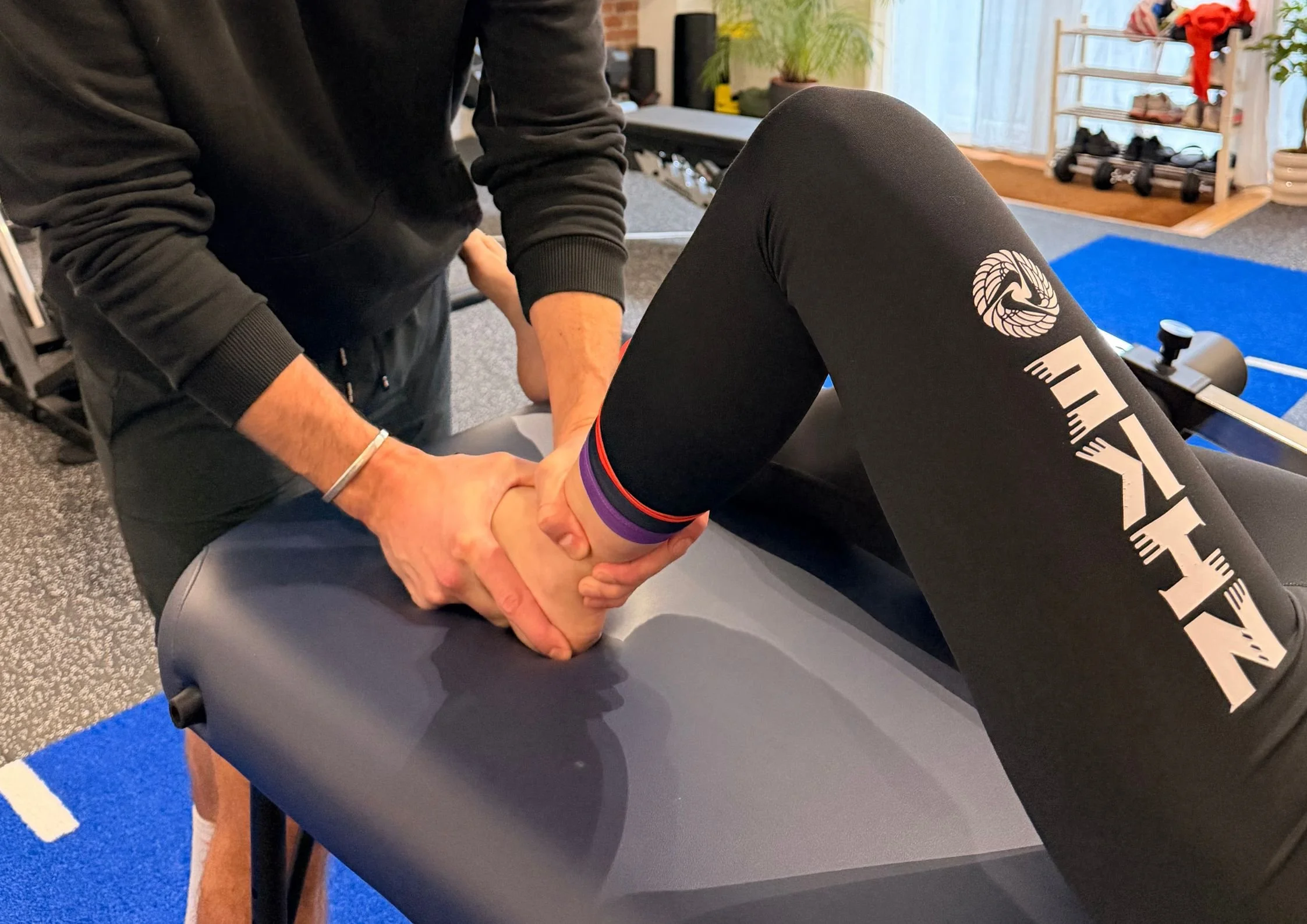
Assessment begins with a detailed discussion of symptoms and training history.
Important areas explored may include:
Weekly training volume
Recent changes in running load
Recovery strategies
Strength training history
Previous injuries
Physical assessment may include:
Movement assessment
Strength testing
Running load evaluation
Identification of potential contributing factors
This helps guide an appropriate rehabilitation strategy.
Where relevant, assessment also includes screening for factors associated with RED-S — training load, nutritional patterns, menstrual history (in female athletes), energy and recovery markers. Where indicators are present, I work alongside your GP and a sports dietitian to ensure the full picture is being addressed, not just the injury itself.
Running Physiotherapy
Tendon Pain

Strength & Conditioning
Return to Running Blog
Rehabilitation for Bone Stress Injuries
Management of bone stress injuries typically involves a period of relative rest from impact activities to allow the bone to recover.
Relative rest does not necessarily mean complete inactivity. In many cases, individuals can continue with certain activities that do not aggravate symptoms, such as cycling or strength training.
Rehabilitation focuses on gradually restoring load to the bone in a controlled way.
Key components of rehabilitation may include:
Temporary reduction in running load
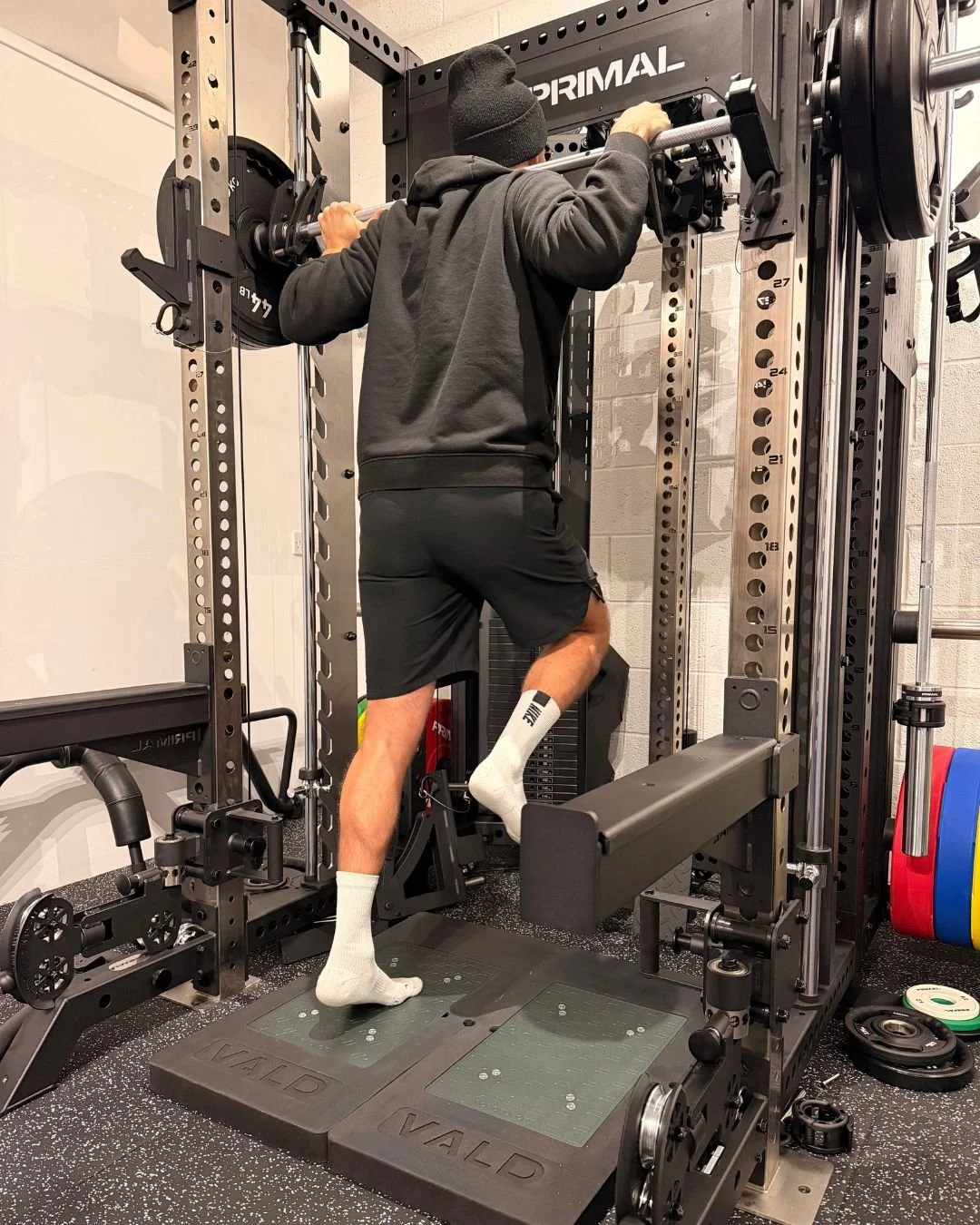
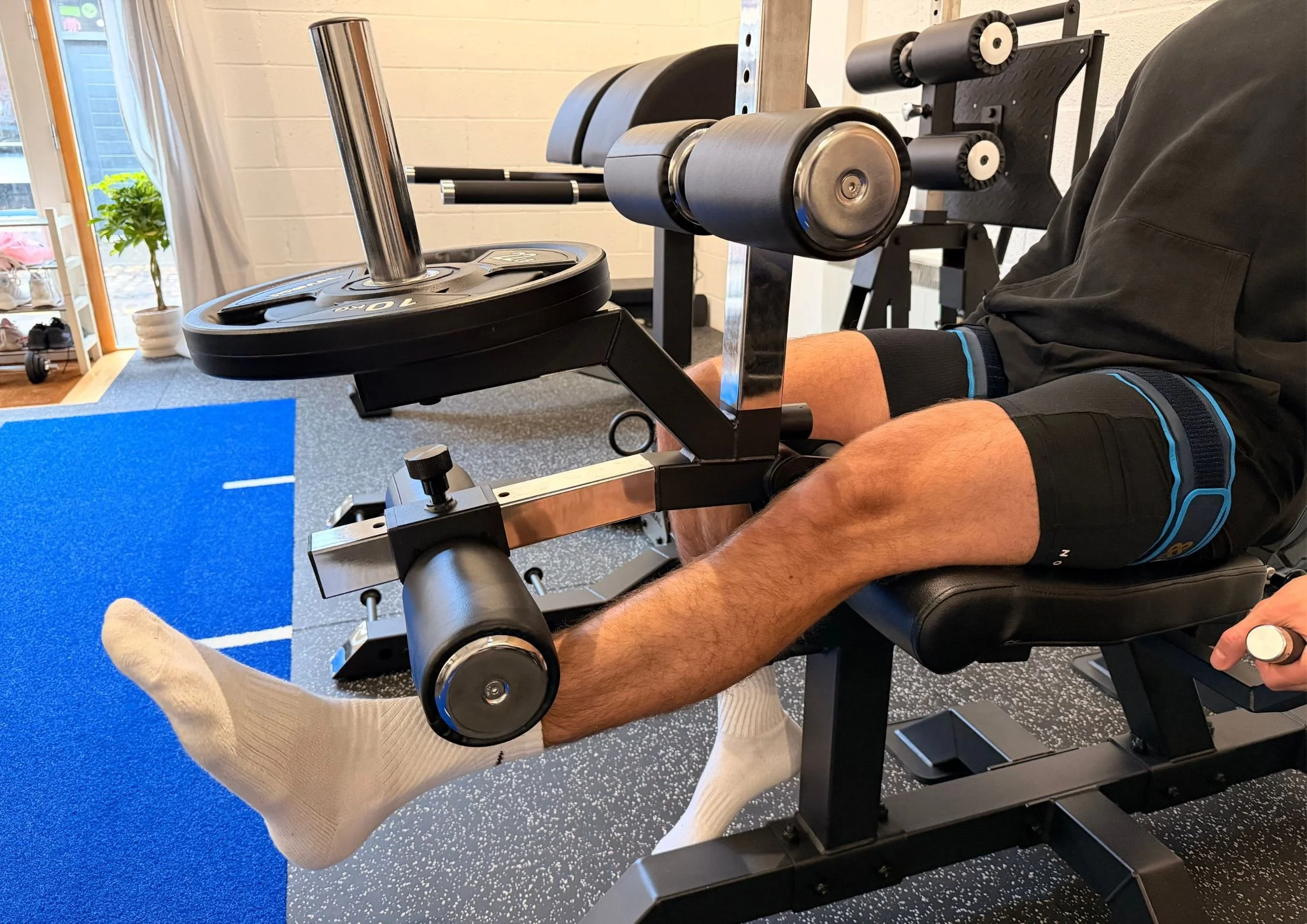
Progressive strength training
Gradual reintroduction of impact loading
Structured return-to-running programmes
Progression through rehabilitation depends on symptoms, recovery between activities and individual healing timelines.
Strength Training During Bone Stress Injury Recovery
Strength training is often an important part of bone stress injury rehabilitation.
Strength exercises can help improve the ability of muscles and tendons to absorb load during running, which can reduce the stress placed directly on bones.
Rehabilitation programmes may include:
Lower limb strength exercises
Calf and foot strengthening
Hip and glute strengthening
Progressive loading exercises - plyometrics
Strength training may continue alongside the return-to-running process.
Return to Running After Bone Stress Injury
Returning to running following a bone stress injury should be gradual and carefully managed.
Return-to-running programmes typically involve progressive walk-run intervals and gradual increases in running load.
Factors considered when progressing running include:
Symptom response during and after activity
Recovery between training sessions
Overall training load
The goal is to allow the bone to adapt safely to increasing levels of impact.
For more information look HERE.
When to Seek Physiotherapy
Seek physiotherapy if you experience:
Persistent pain during running
Pain that worsens with impact activity
Symptoms that return quickly when attempting to run
Difficulty returning to training following injury
Pain when at rest or night pain
Early assessment can help identify bone stress injuries before they progress to more severe injuries.
Bone Stress Injury Rehabilitation at ADAPT. PERFORM.
ADAPT. PERFORM. based in Bristol, BS2 is a physiotherapy and performance clinic supporting runners and active individuals with injury rehabilitation and return to sport.
Rehabilitation programmes combine physiotherapy, strength training and load management strategies to support bone recovery and safe return to running.
Each rehabilitation plan is tailored to the individual and the demands of their sport or activity.
Ready to Work Through a Bone Stress Injury Properly?
Whether you've just been diagnosed, you're partway through recovery and feeling stuck, or you've had multiple injuries and want to address the underlying picture properly — I can help.
Based in St Paul's, Bristol BS2, I provide structured bone stress injury rehabilitation for runners and endurance athletes — including the nutritional and recovery picture, not just the injury itself.
See appointment options and pricing →