
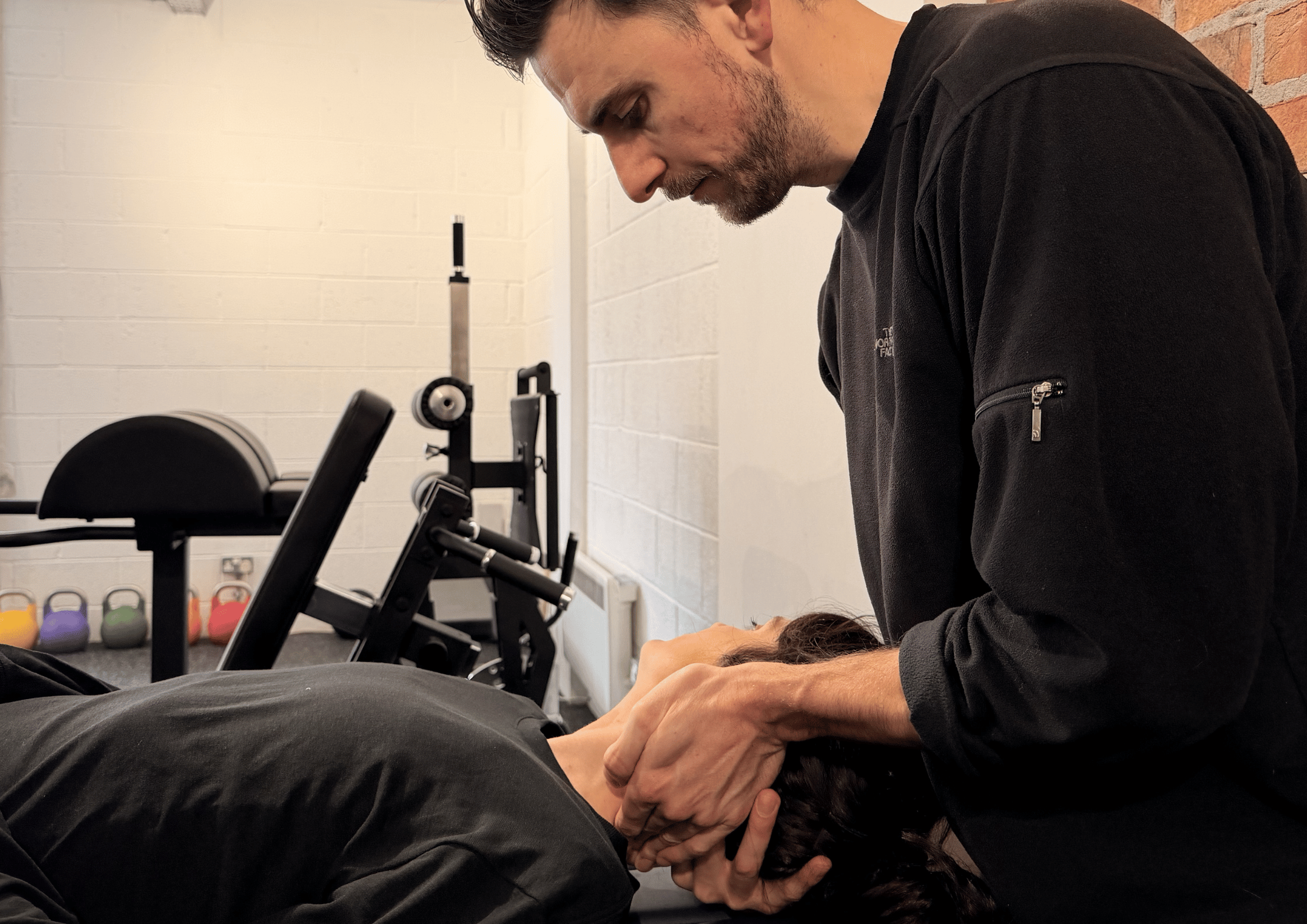
Neck Pain Physiotherapy in Bristol
Evidence-Based Rehabilitation for Stiffness, Nerve Irritation & Postural Pain at ADAPT. PERFORM.
Neck pain is one of the most common reasons people seek physiotherapy in Bristol. Whether it’s developed gradually from desk-based work or driving, followed a sudden strain or trauma, or keeps returning despite rest — persistent neck pain affects concentration, sleep, training and daily life in ways that quickly become disruptive.
At ADAPT. PERFORM., based in St Paul’s, Bristol BS2, I provide structured, evidence-based neck pain physiotherapy — combining movement assessment, progressive strengthening and education to restore mobility and build long-term resilience.
Not sure what to expect at your first appointment? Find out here →
Common Neck Conditions We Treat
I regularly support clients with:
Non-specific neck pain
Desk-related or posture-related pain
Acute neck strain
Whiplash-associated disorders
Cervical disc irritation
Nerve-related neck pain (arm symptoms)
Gym-related neck tension
Recurrent stiffness and headaches
Most neck pain is mechanical in nature and responds well to structured rehabilitation.
Why Neck Pain Develops
Neck pain often develops due to:
Prolonged static positions (desk or laptop work)
Reduced deep neck flexor endurance
Sudden increases in gym load
Stress and muscle guarding
Poor sleep posture
Previous unresolved episodes
Research suggests that reduced neck endurance and altered motor control are common in persistent neck pain. Like lower back pain, neck pain rarely correlates perfectly with imaging findings.
Pain is often related to reduced load tolerance rather than structural damage.
Is It Really Neck Pain?
The cervical spine is a prolific source of referred symptoms — and many presentations initially described as neck pain have a broader origin or refer symptoms well beyond the neck itself. Understanding where symptoms are coming from, and where they are going to, is central to effective management.
Conditions commonly associated with or mistaken for neck pain include:
Cervicogenic headache — pain originating from the upper cervical spine (C1-C3) referring into the occipital region, temples or behind the eyes, often misidentified as tension headache or migraine
Thoracic spine restriction — mid and upper thoracic stiffness frequently contributes to cervical loading and pain, particularly in desk-based individuals and overhead athletes
Shoulder pathology — rotator cuff and glenohumeral joint pain can refer into the neck and upper trapezius, creating confusion about the primary pain source
Brachial plexus irritation — upper limb symptoms including arm pain, tingling and weakness may originate from cervical nerve root compression (C5-C7) or thoracic outlet rather than peripheral nerve pathology
Temporomandibular joint (TMJ) dysfunction — jaw and facial pain can refer into the upper neck and cervical region
Cervical assessment at ADAPT. PERFORM. includes thoracic screening, neural tension testing and shoulder differentiation as standard — particularly where upper limb symptoms are present alongside neck pain.
How I Assess Neck Pain in Bristol
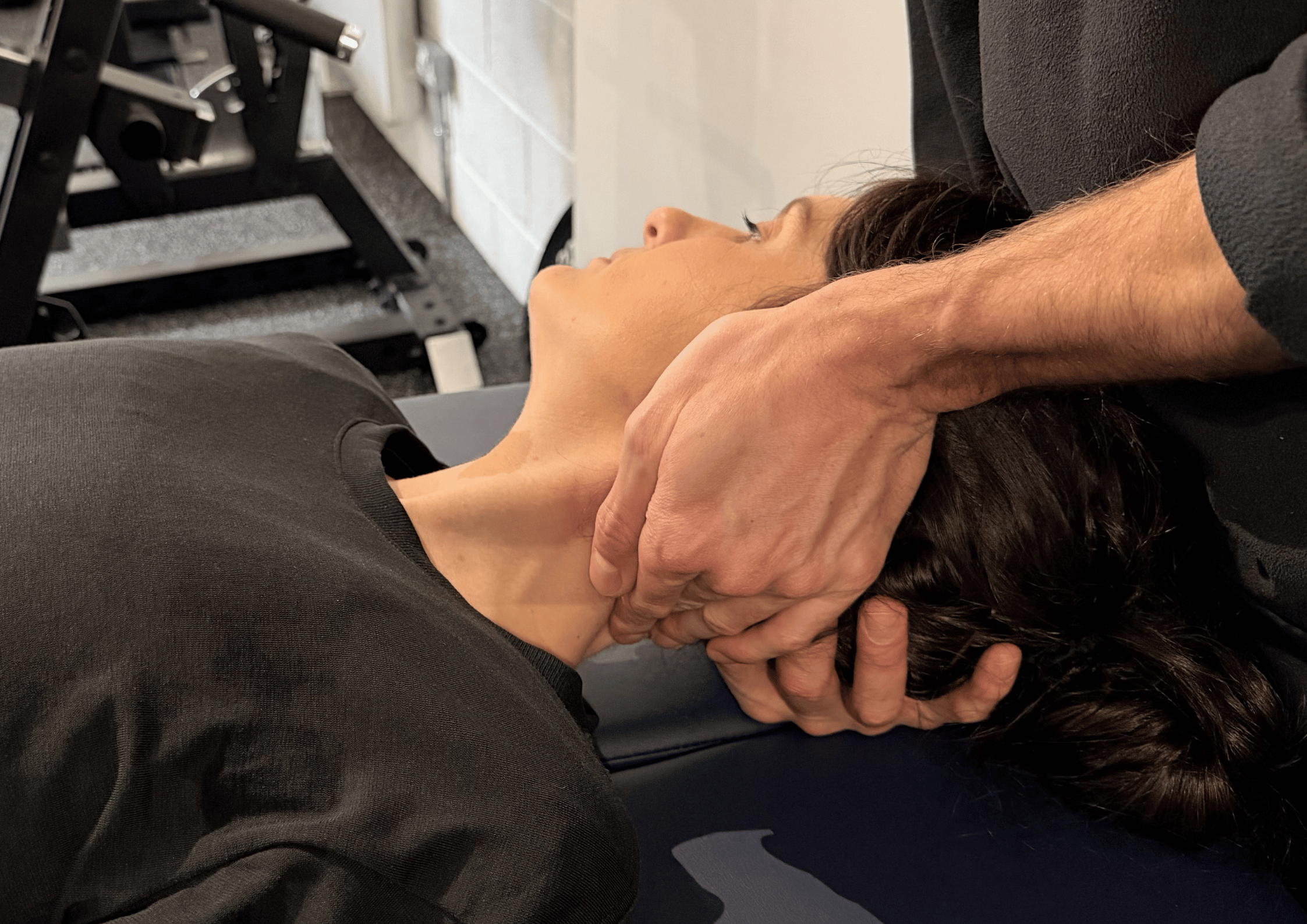
At ADAPT. PERFORM., assessment includes:
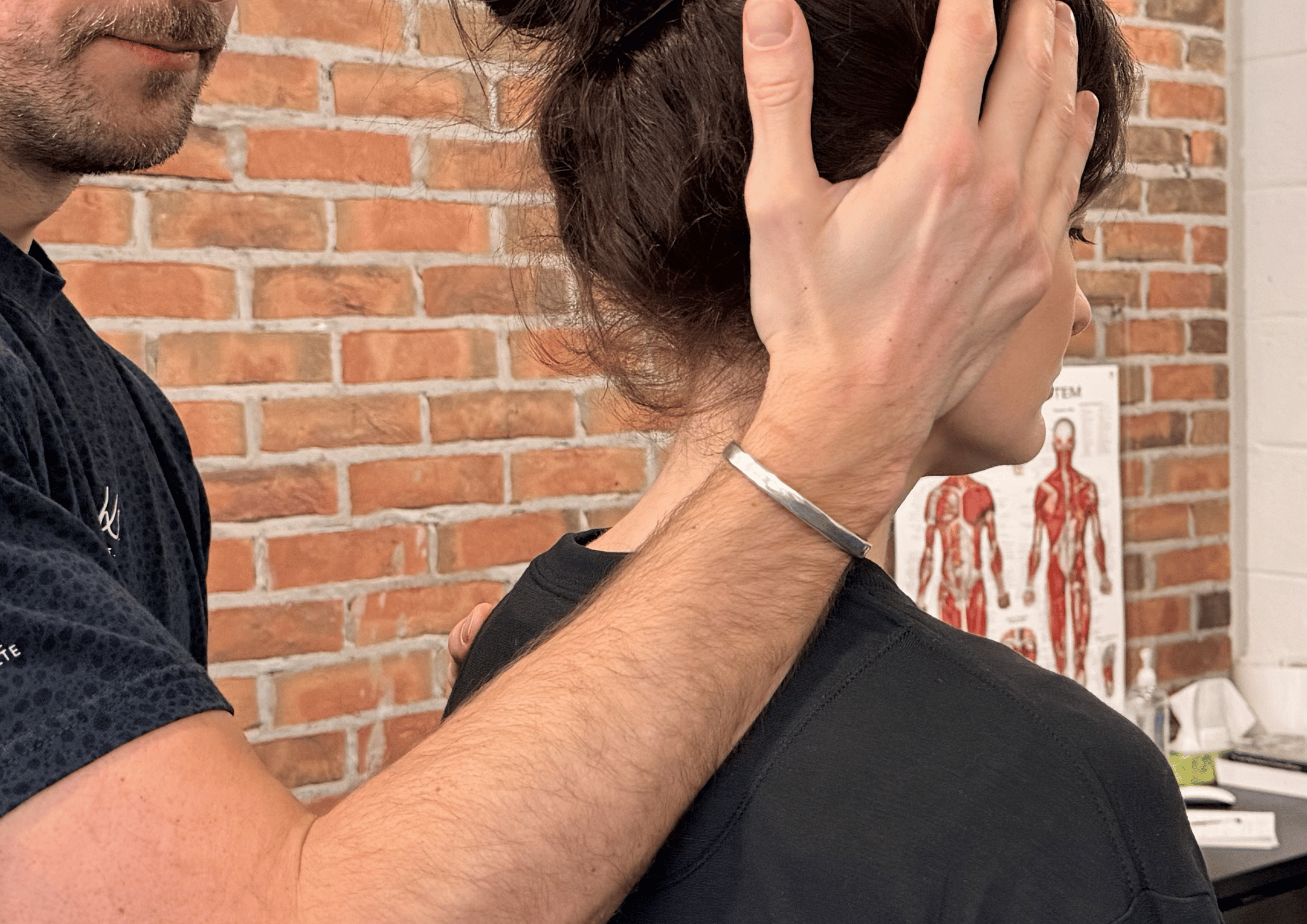
Cervical range of motion
Strength and endurance testing
Postural load assessment
Scapular control evaluation
Neural sensitivity testing (if arm symptoms present)
We aim to understand how your neck responds to sustained positions, lifting, and dynamic movement — particularly if you train regularly.
Who I Work With for Neck Pain
Neck pain doesn’t only affect athletes. I work with a wide range of people presenting with neck pain at my clinic in St Paul’s, including:
Office workers and those in desk-based roles with persistent or recurring neck stiffness
Drivers and those whose work involves prolonged static postures
Gym athletes dealing with neck pain from overhead pressing or heavy loading
Cyclists and triathletes with riding-position related neck strain
People recovering from whiplash following a road traffic accident
Anyone whose neck pain is affecting sleep, concentration or daily activity
Whether your neck pain is recent or long-standing, acute or recurring — the approach is the same: understand what’s driving it, address it directly, and build resilience so it stays resolved.
The ADAPT. PERFORM. Approach
I follow the ADAPT → RECOVER → PERFORM structure.
ADAPT
I assess movement behaviour, symptom triggers, and lifestyle demands. Education is key — particularly around posture myths and fear-avoidance.
RECOVER
Early-stage rehab may include:
Gentle mobility work
Targeted deep neck flexor strengthening
Scapular stabilisation
Manual therapy when appropriate
Evidence supports exercise-based rehabilitation as the most effective long-term management strategy for non-specific neck pain.
PERFORM
As symptoms improve, we progress toward:
Strengthening under load
Return to gym training
Sport-specific neck tolerance
Work endurance conditioning
For gym and sport athletes, this phase includes return to overhead loading, sport-specific movement tolerance and progressive strengthening of the deep cervical musculature and shoulder girdle. For those with work or lifestyle-related neck pain, the goal is building the capacity to sustain normal daily activity without symptom recurrence — not just short-term relief.
Evidence-Based Recovery Timeframes
Recovery depends on severity and chronicity.
Acute Neck Strain
Often improves within 2–6 weeks with graded movement and loading.
Non-Specific Neck Pain
Structured exercise programmes over 6–12 weeks show significant improvements in function and recurrence reduction.
Whiplash-Associated Disorders
Recovery varies widely, but early graded exercise improves long-term outcomes compared to prolonged immobilisation.
Cervical Disc Irritation
Many cases improve within 6–12 weeks, particularly when managed with progressive loading and movement rather than rest alone.
Timelines vary — but most neck pain responds well to active rehabilitation.
Return to Performance & Training
Before returning fully to:
Heavy lifting
Contact sport
High-intensity training
Long desk days without flare-up
You should demonstrate:
Improved neck endurance
Tolerance to sustained positions
Load capacity in gym movements
Confidence in movement
Pain-free does not automatically mean endurance-ready.
When Should You Seek Physiotherapy?
You should consider assessment if:
Pain persists beyond 1–2 weeks
Neck pain keeps recurring
You experience arm symptoms or nerve pain
Headaches are associated with neck stiffness
You feel restricted in training or work
Early intervention often reduces recurrence and chronicity.
Why Choose ADAPT. PERFORM. for Neck Pain in Bristol?
Unlike passive-only approaches, I focus on:
Progressive strengthening
Capacity rebuilding
Education around posture and movement
Return-to-training guidance
My aim is not short-term relief alone — but long-term resilience.
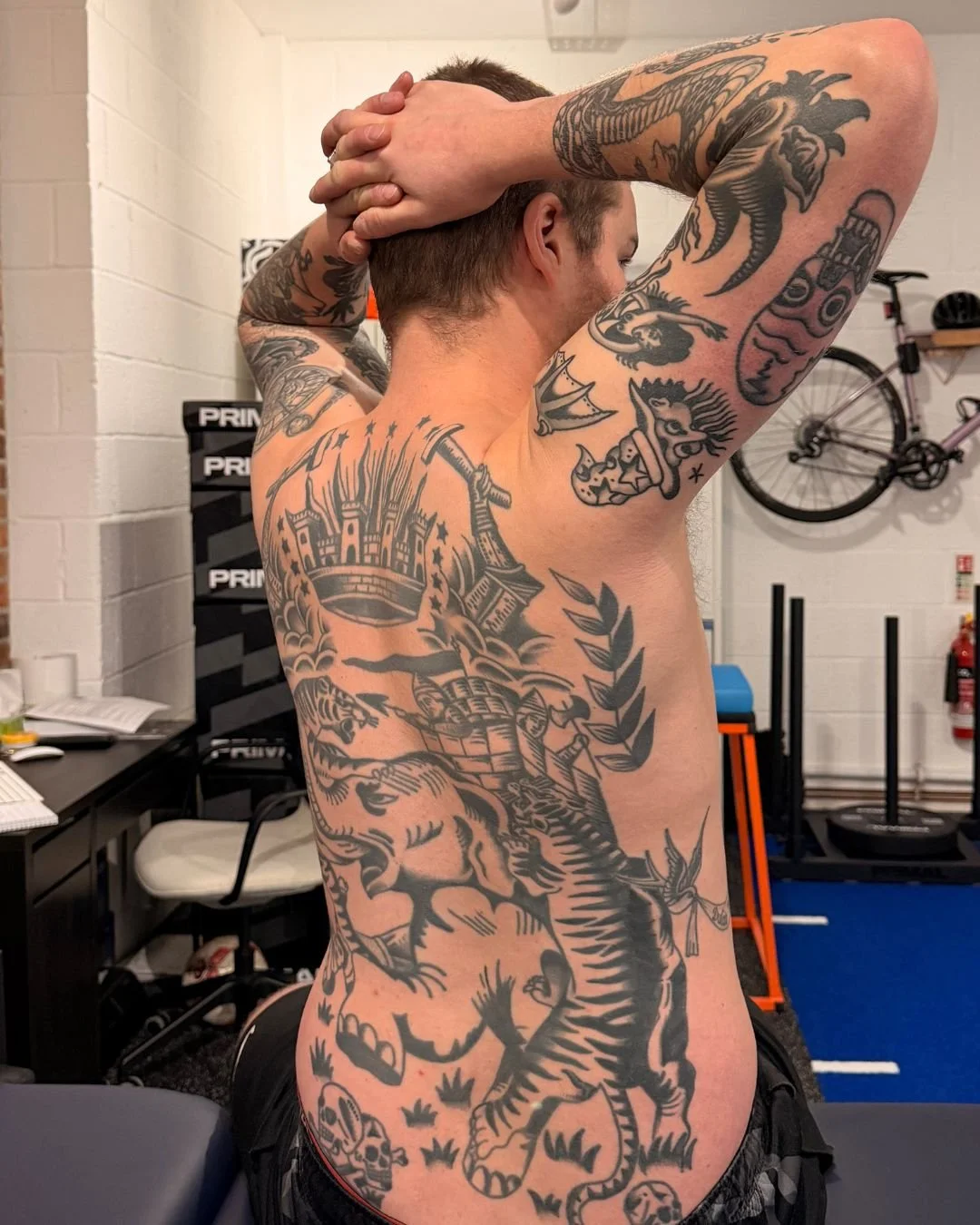
In-Person Physiotherapy
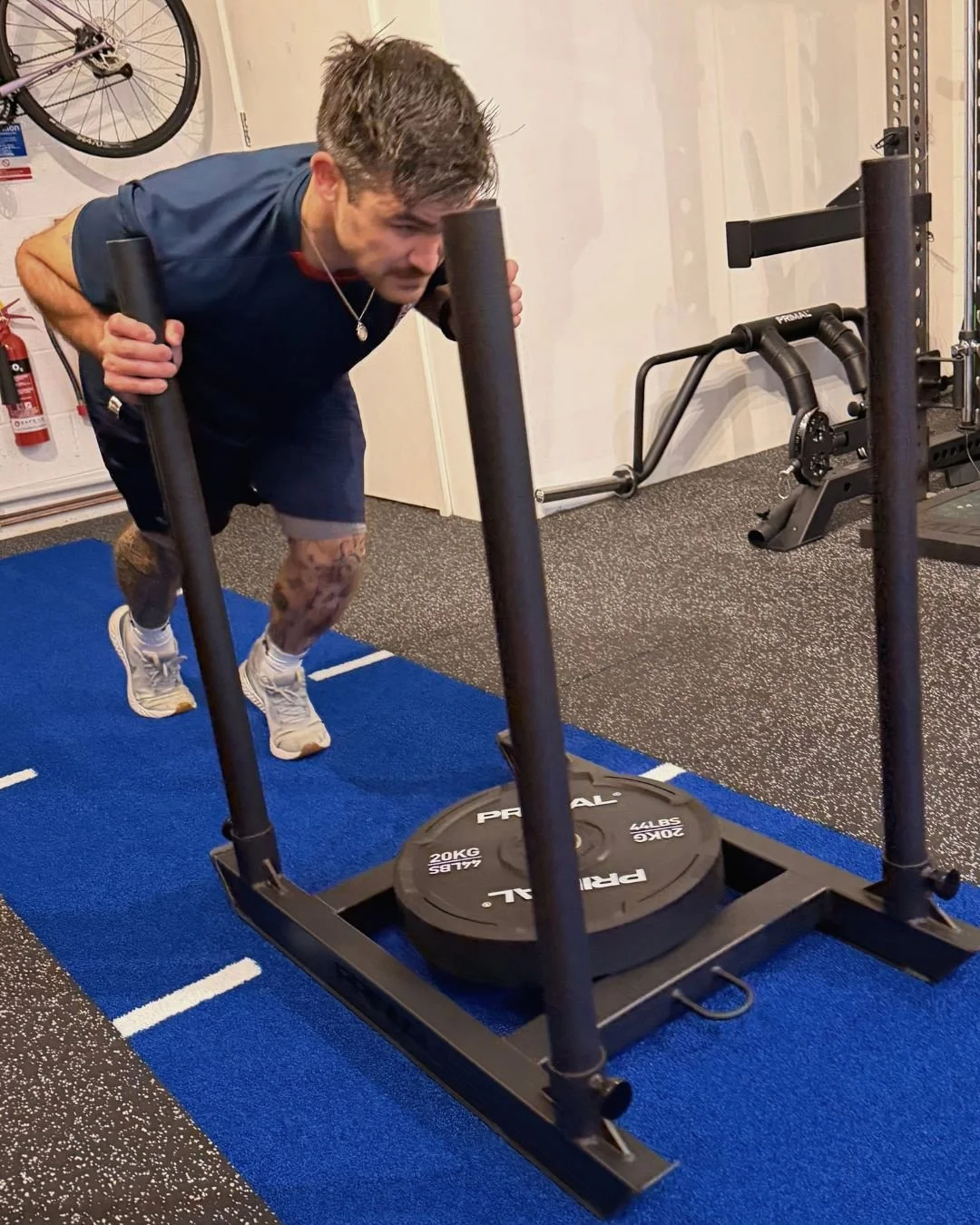
Strength & Conditioning
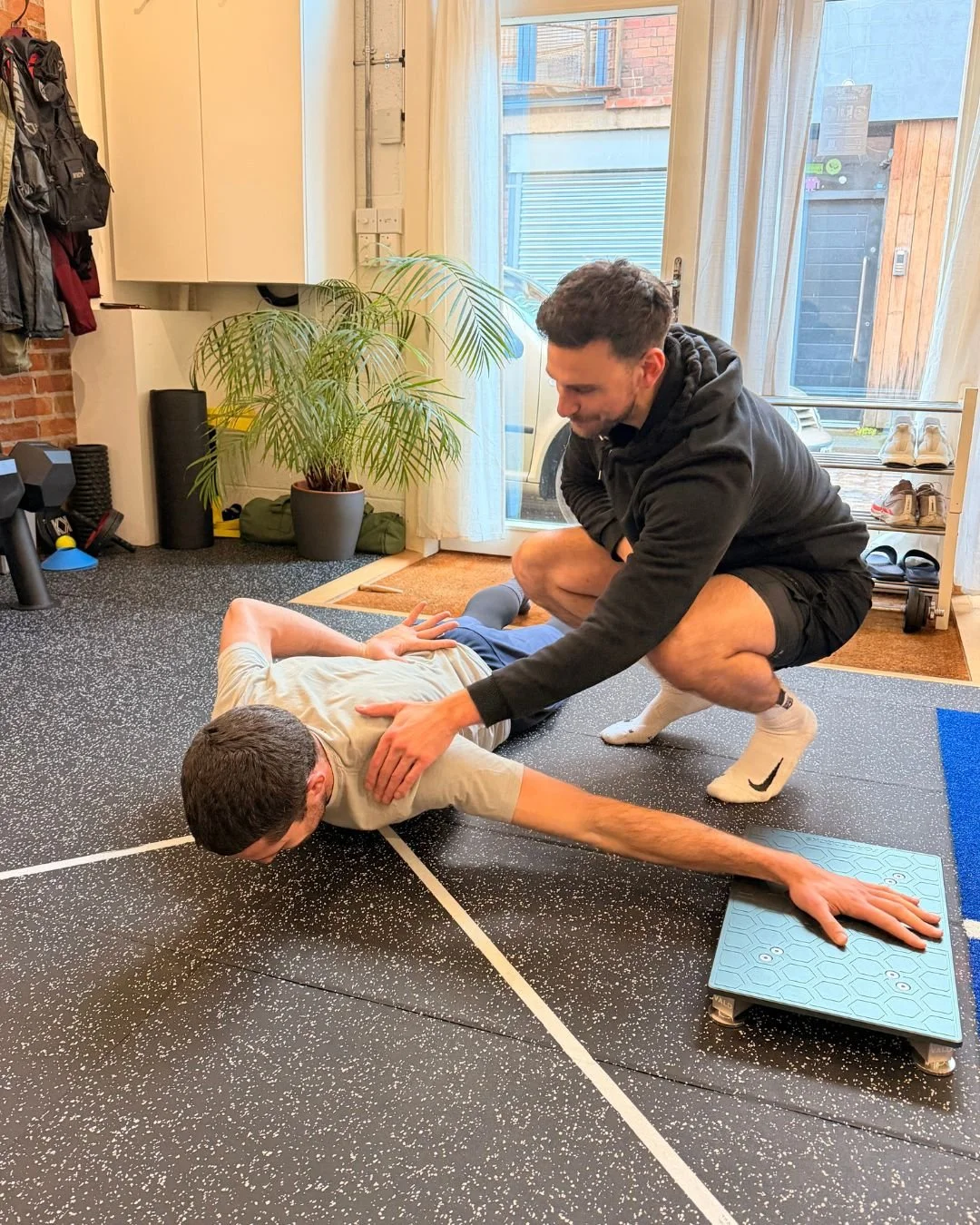
Performance Testing & Analysis

Shoulder Pain
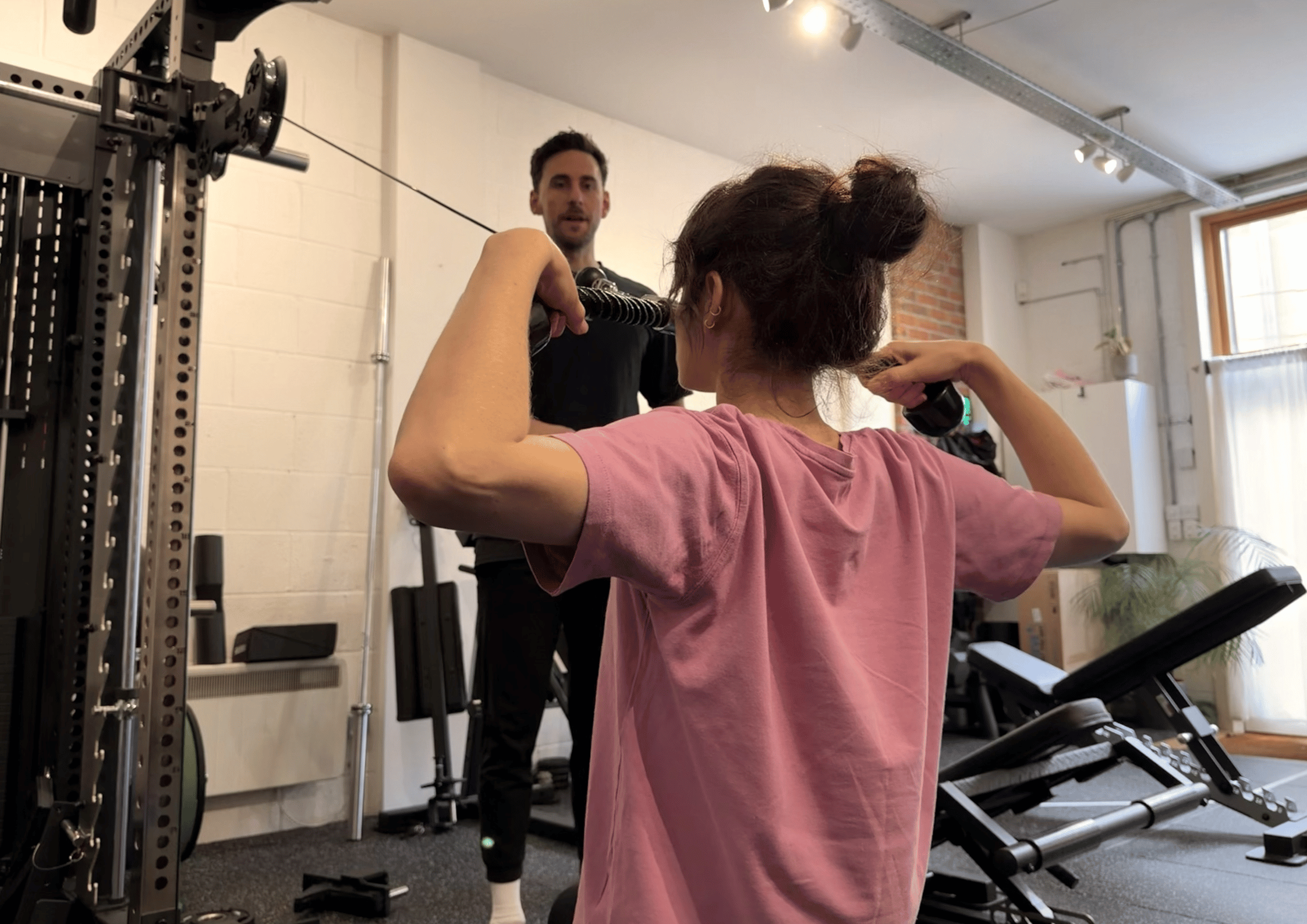
Ready to Address Your Neck Pain?
Based in St Paul’s, Bristol BS2, I work with people managing neck pain across the city — from desk workers and drivers dealing with persistent stiffness to gym athletes and cyclists with training-related neck strain.
Book your initial assessment and leave with a clear understanding of what’s driving your symptoms and a structured plan to move forward.
See appointment options and pricing →