
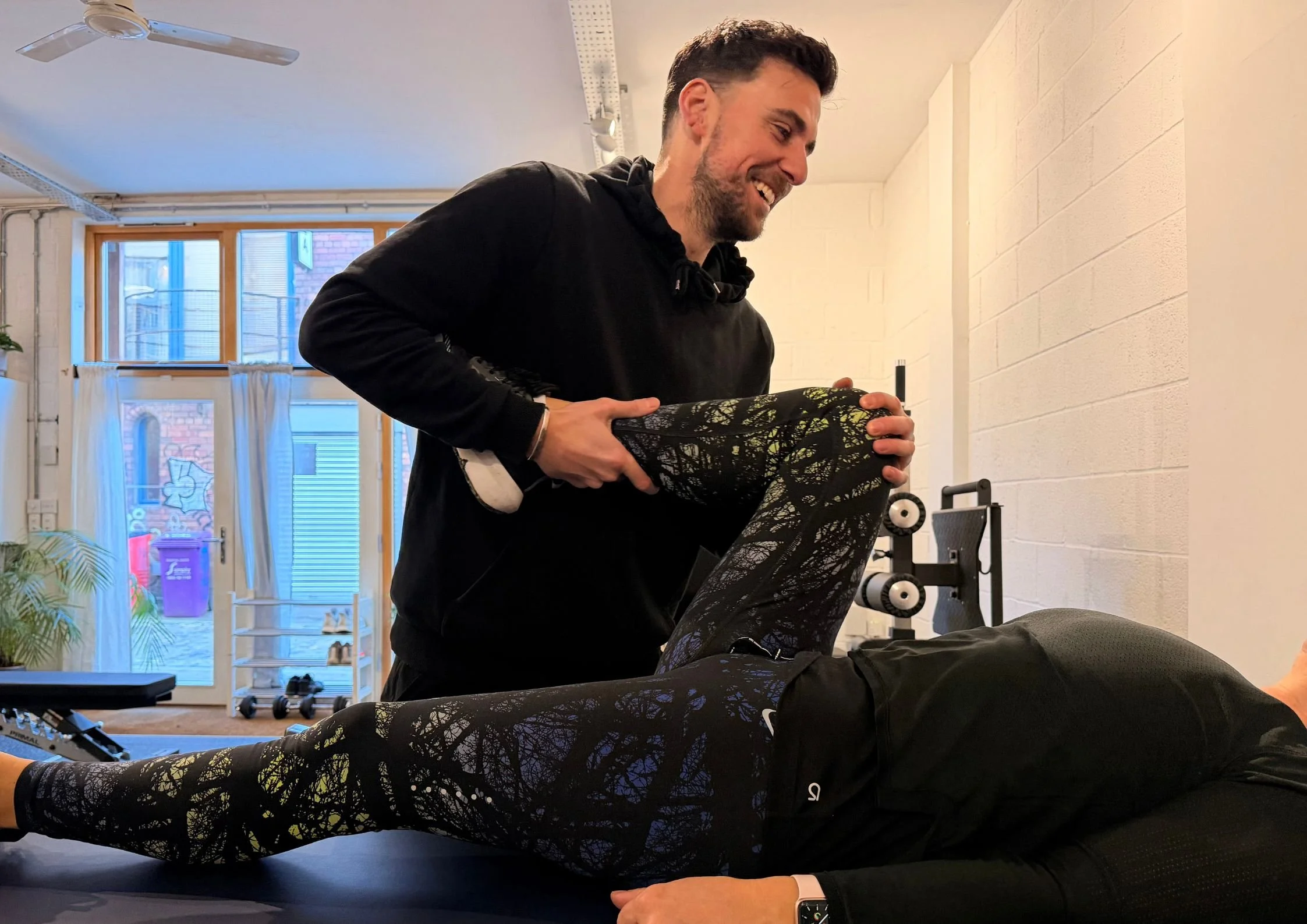
Hip Pain Physiotherapy in Bristol
Post-Operative Rehab, FAI & Running-Related Hip Pain at ADAPT. PERFORM.
Hip pain can significantly impact walking, running, lifting, and sport. Whether you are recovering from hip surgery, managing femoroacetabular impingement (FAI), dealing with gluteal tendon pain, or returning from a stress fracture, structured rehabilitation is essential for restoring both mobility and strength.
At ADAPT. PERFORM., based in St Paul’s, Bristol BS2, I provide evidence-based hip physiotherapy, combining detailed assessment, progressive strengthening, and performance-focused rehabilitation to help you move confidently again.
Not sure what to expect at your first appointment? Find out here →
Common Hip Conditions I Treat
I regularly support clients across Bristol with:
Post-operative total hip replacement (THR)
Hip arthroscopy rehabilitation
Femoroacetabular impingement (FAI)
Labral-related hip pain
Gluteal tendinopathy
Hip flexor, inguinal and groin strains
Femoral neck stress fractures
Running and sport-related hip pain
Each condition requires careful staging and load management — particularly when returning to impact activity.
Why Hip Pain Develops
Hip pain often arises due to a mismatch between load and tissue capacity.
Common contributing factors include:
Reduced gluteal strength
Sudden increases in running or training volume
Repetitive hip movement under load
Inadequate rehabilitation post-surgery
Altered pelvic control
Poor load progression following stress injury
For FAI and labral-related pain, symptoms may be influenced by joint morphology combined with repeated high-load flexion and rotation. However, research increasingly supports strengthening and load modification as effective first-line management before surgical intervention.
Gluteal tendinopathy, particularly common in runners and middle-aged adults, responds best to progressive loading rather than prolonged rest.
Is It Really Hip Pain?
Hip pain is one of the most diagnostically challenging presentations in physiotherapy, because pain felt around the hip, groin, and buttock can originate from numerous structures — many of which are not the hip joint itself. Misdiagnosis is common, and this is one area where a thorough clinical assessment makes a significant difference to outcomes.
Conditions that commonly refer pain to the hip region include:
Lumbar spine — L2, L3 and L4 referral patterns produce anterior hip and groin pain that closely resembles hip joint or iliopsoas pathology
Femoral nerve irritation — anterior thigh and groin pain, often with some weakness in hip flexion or knee extension, occasionally misidentified as hip flexor pathology
Meralgia paresthetica — lateral femoral cutaneous nerve compression producing burning, numbness or tingling at the outer thigh, sometimes presenting as lateral hip pain
Sacroiliac joint (SIJ) — buttock and posterior hip pain with occasional radiation into the thigh, closely mimicking proximal hamstring or posterior hip pathology
Proximal hamstring tendinopathy — deep buttock pain that worsens with sitting and is often misidentified as SIJ or lumbar pathology
Adductor and groin pathology — medial groin pain that can overlap clinically with anterior hip joint symptoms, particularly in footballers and runners
Differentiating hip joint pathology from lumbar referral, nerve irritation and soft tissue sources requires a systematic assessment approach. At ADAPT. PERFORM. this always includes lumbar and neural screening alongside local hip testing.
How I Assess Hip Pain in Bristol
At ADAPT. PERFORM., hip assessment includes:
Range of motion and joint mechanics
Gluteal strength testing
Single-leg control and pelvic stability
Running or squat analysis (if relevant)
Load tolerance profiling
Where relevant, I use objective strength data to guide progression and highlight asymmetry — particularly important in post-operative hip replacement and hip arthroscopy cases where recovery timelines are driven by tissue healing as much as symptoms.
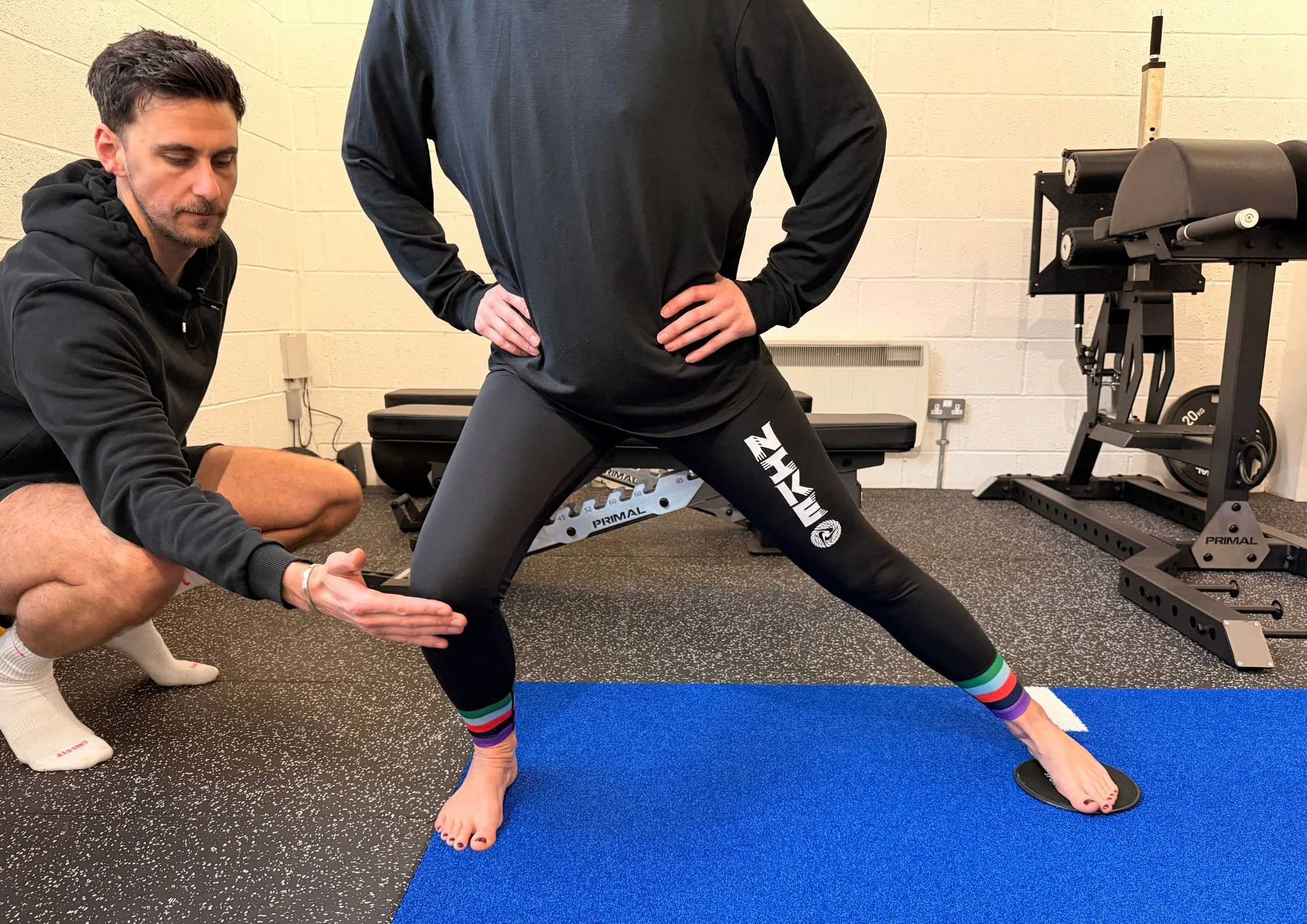
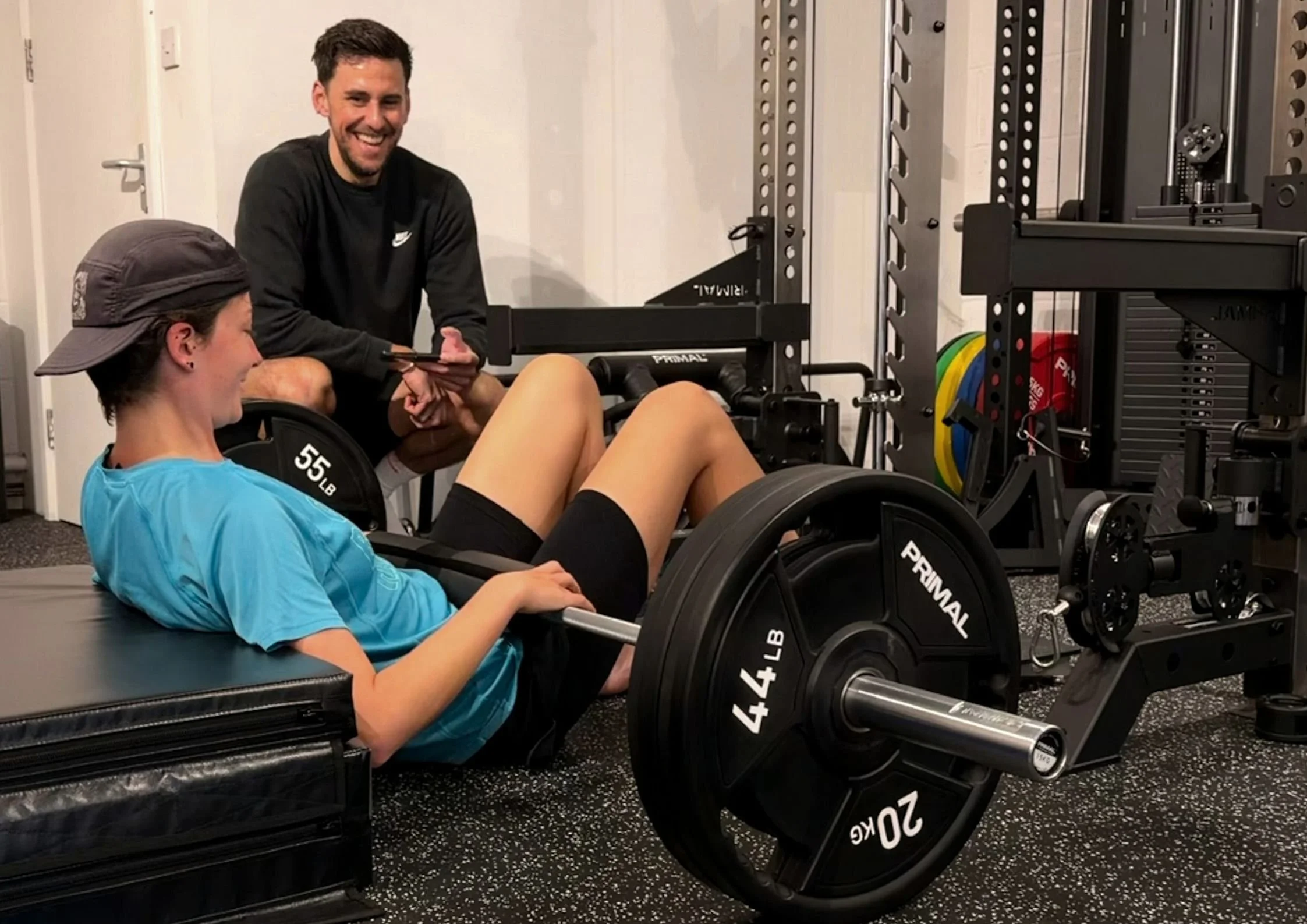
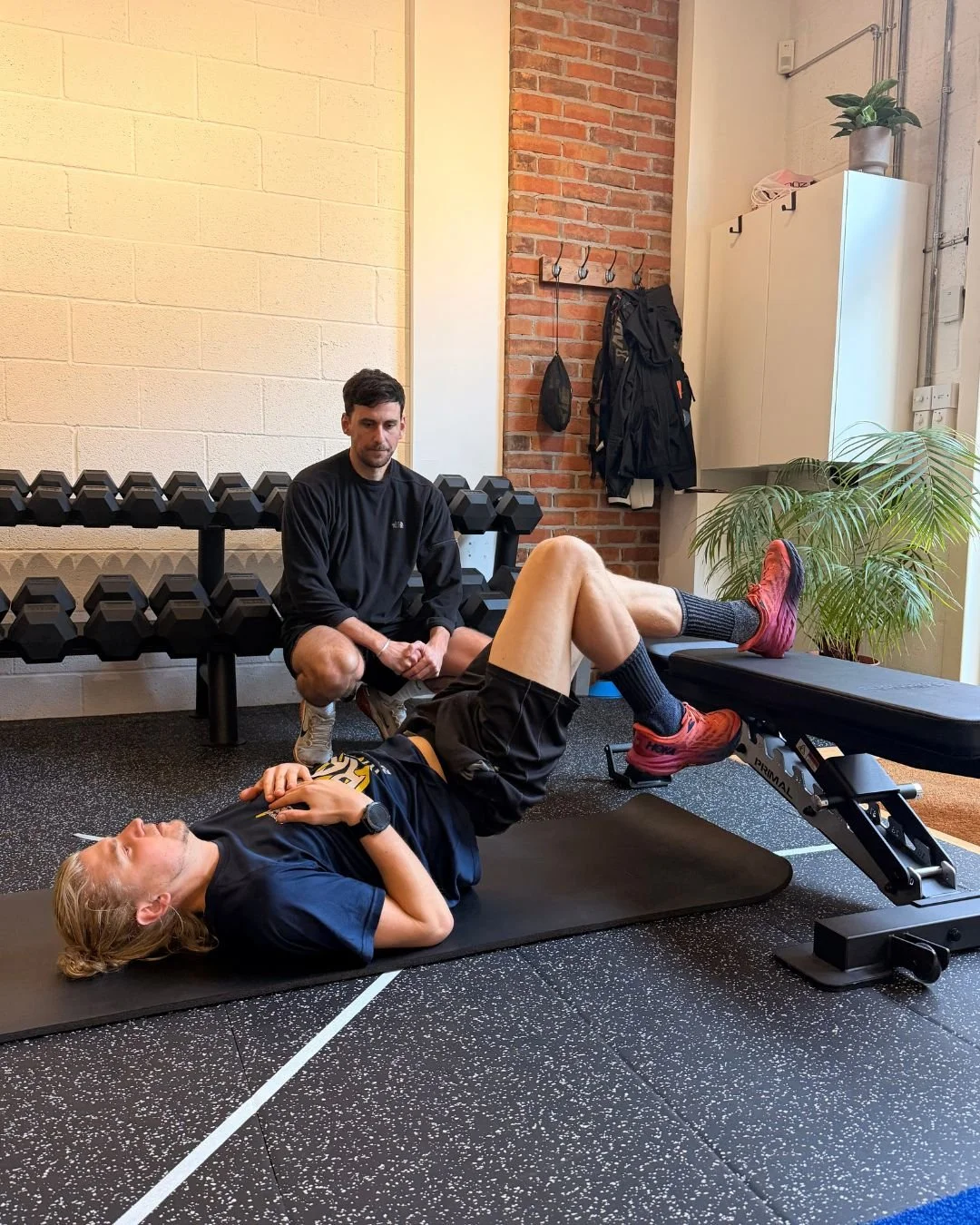
The ADAPT. PERFORM. Approach
I apply our ADAPT → RECOVER → PERFORM model to hip rehabilitation.
ADAPT
I understand the injury or surgical background, your current symptoms, and your goals. Education around realistic recovery timelines is particularly important after hip surgery.
RECOVER
Early-stage rehab may include:
Mobility restoration
Gradual strengthening
Controlled load exposure
Manual therapy when appropriate
For stress fractures, load reduction is initially required, followed by graded return to impact.
PERFORM
As strength improves, we progress toward:
Single-leg strength development
Dynamic stability
Running reintroduction
Change-of-direction drills
Sport-specific power development
Stopping rehabilitation at “pain-free walking” often leaves significant capacity untapped.
For runners, sport and gym athletes, progression includes return-to-running criteria, hip loading benchmarks and sport-specific conditioning. For post-surgical patients, progression is staged according to surgical protocol alongside objective strength milestones — not time alone.
Evidence-Based Recovery Timeframes
Recovery varies depending on condition and surgical involvement.
Total Hip Replacement (THR)
Walking typically improves within 6–12 weeks
Strength continues to improve over 12 weeks -6 months+
Return to higher-level activity depends on strength and confidence
Hip Arthroscopy
Early mobility phase: 2–6 weeks
Strength rebuilding: 6–16 weeks
Return to running often around 3–4 months
Sport return may take 4–6 months
Gluteal Tendinopathy
Structured loading programmes typically require 12+ weeks for meaningful adaptation.
Femoral Neck Stress Fracture
Impact restriction for 6–12 weeks depending on severity
Gradual reintroduction of loading guided by symptom response
Timelines are guides — progression should be criteria-based, not purely time-based.
Return to Running & Sport
Before returning fully to:
Running
Hyrox
Football
Gym-based training
Hiking or long-distance walking
You should demonstrate:
Single-leg gluteal strength symmetry
Pelvic control under load
Tolerance to repeated impact
Confidence in rotational movement
Return to performance requires more than symptom resolution — it requires strength and resilience. Learn more here → Return to Running After Injury
When Should You Seek Physiotherapy?
Consider assessment if:
Hip pain persists beyond 2–3 weeks
You’ve had surgery and feel unsure how to progress
You experience groin pain during sport
Running repeatedly flares symptoms
You feel weakness or instability
Early, structured rehabilitation reduces long-term limitations.
Why Choose ADAPT. PERFORM. for Hip Rehab in Bristol?
I integrate:
Clinical physiotherapy expertise
Progressive strength training principles
Performance-based progression
Clear rehabilitation staging
Whether your goal is returning to competitive sport or walking pain-free, I tailor rehabilitation to your capacity and objectives.
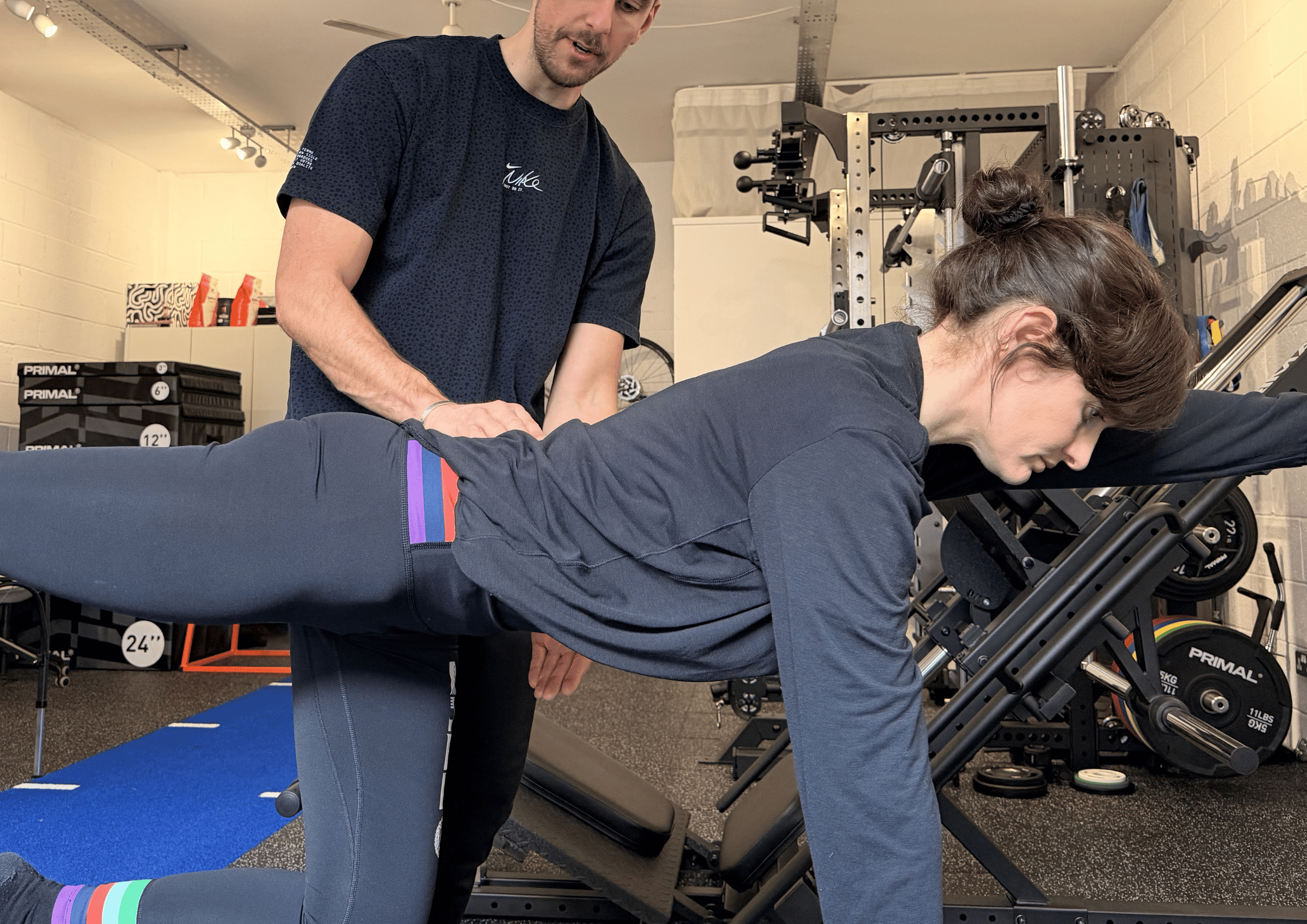
In-Person Physiotherapy
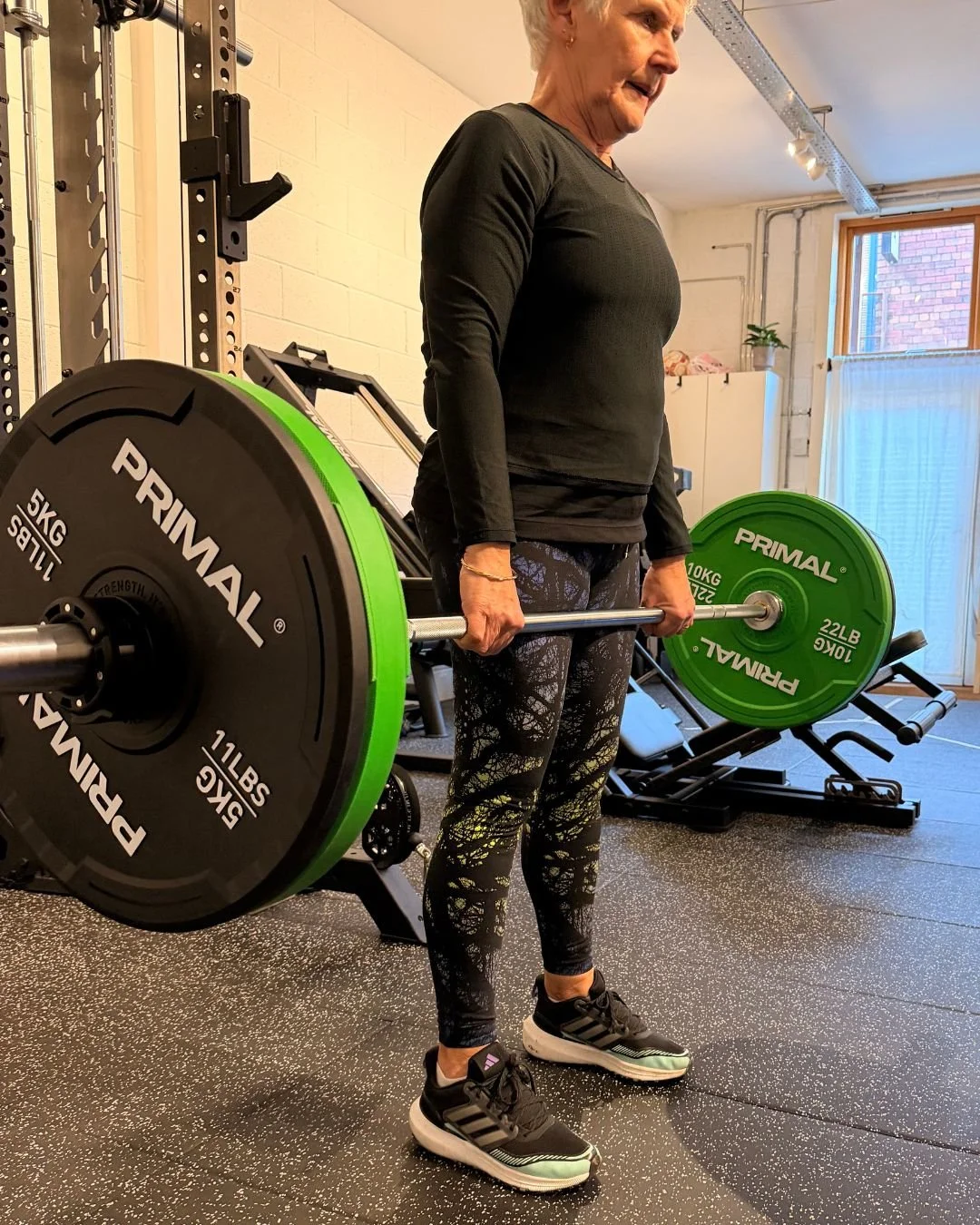
Strength & Conditioning
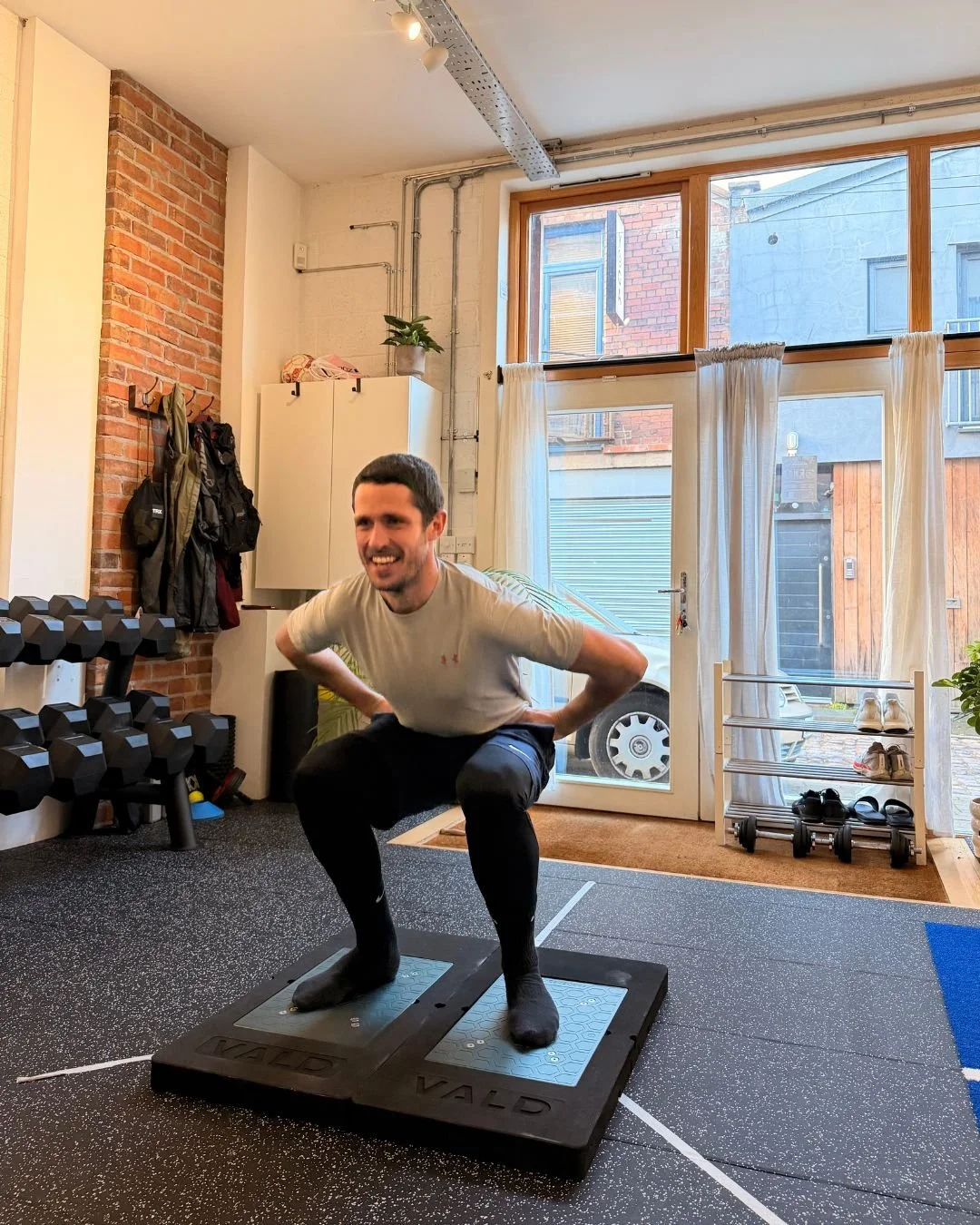
Performance Testing & Analysis
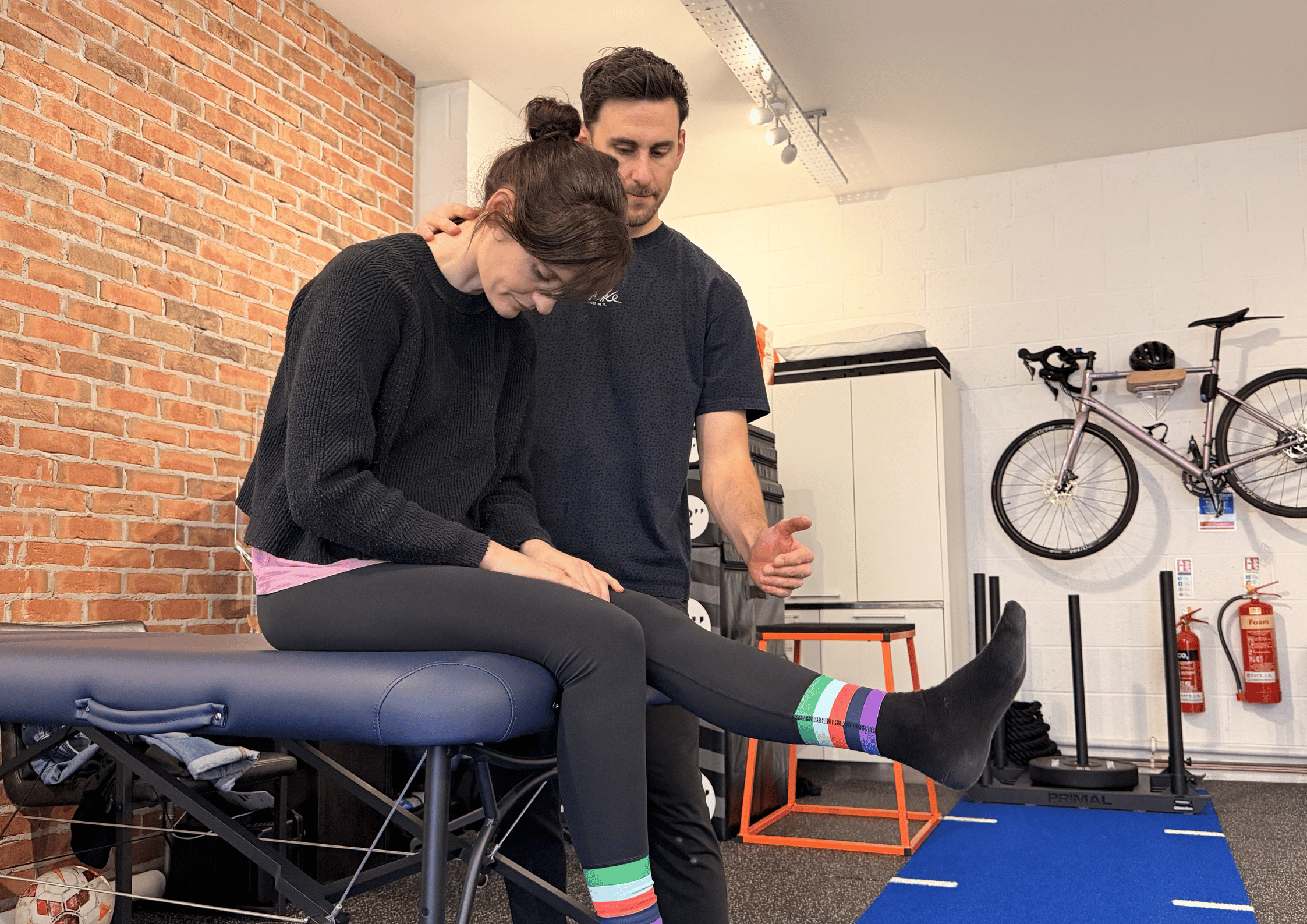
Back Pain Physiotherapy
Ready to Address Your Hip Pain?
Based in St Paul’s, Bristol BS2, I work with people managing hip pain across the city — from runners and athletes dealing with sports-related hip injuries to those recovering from surgery or managing persistent pain that’s affecting their daily life.
Book your initial assessment and leave with a clear understanding of what’s driving your symptoms and a structured plan to move forward.
See appointment options and pricing →