
Return to Running After Injury
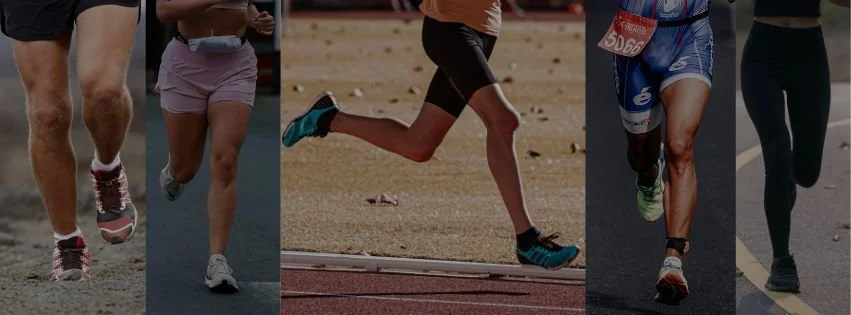
Returning to Running After Injury
Returning to running after injury can be frustrating for many runners. Attempting to return too quickly can often lead to symptoms returning, while excessive rest may delay recovery and reduce confidence.
A structured return-to-running plan can help gradually rebuild running tolerance while reducing the risk of re-injury.
At ADAPT. PERFORM., rehabilitation focuses on restoring strength, managing training load and progressively reintroducing running so that runners can safely return to training.
Why Injuries Often Return When Runners Start Again
Many running injuries occur when the load placed on the body exceeds the capacity of muscles, tendons or bones to tolerate that stress.
When runners return too quickly after injury, tissues may not yet be prepared for the demands of running.
Common contributing factors include:
Rapid increases in running volume
Insufficient strength
Inadequate recovery
Previous injury
Successful rehabilitation focuses on gradually rebuilding the body’s ability to tolerate running loads.
When Is It Safe to Start Running Again?
The right time to return to running varies depending on the injury.
However, some general indicators that running may be appropriate include:
Minimal pain during daily activities
The ability to perform single-leg exercises without significant pain
Good strength and control through the lower limbs
Symptoms that settle quickly after exercise
A physiotherapy assessment can help determine when a return-to-running programme is appropriate.
The Importance of Strength Before Returning to Running
Strength plays an important role in preparing the body for the demands of running.
Rehabilitation often focuses on strengthening key areas including:
Calves
Hamstrings
Quadriceps
Hip flexors
Gluteal muscles
Improving strength helps muscles absorb load during running and reduces the stress placed directly on joints, tendons and bones.
Gradual Return-to-Running Programmes
Returning to running should be gradual.
Many programmes begin with walk–run intervals, allowing the body to gradually re-adapt to impact loading.
Example progression:
Week 1
Short run intervals separated by walking
Week 2–3
Gradually increasing running duration
Week 4+
Progressing towards continuous running
Progression should always depend on how symptoms respond to running and recovery between sessions.
Monitoring Symptoms During Rehabilitation
It is common for runners to feel some mild discomfort when returning to activity following injury.
However, symptoms should generally:
Remain mild during running
Settle within 24 hours
Not progressively worsen
Monitoring symptoms helps guide progression and reduces the risk of setbacks.
Strength and Conditioning for Runners
Strength training is often an important component of running rehabilitation.
Exercises may include:
Calf strengthening
Single-leg strength exercises
Hip and glute strengthening
Progressive loading exercises
Strength training helps improve tissue capacity and reduce the likelihood of recurring injury.
When to Seek Physiotherapy
You may benefit from physiotherapy if:
Pain returns when attempting to run
Injuries keep recurring
Symptoms worsen with increasing training load
You are unsure how to progress running safely
A structured rehabilitation programme can help guide recovery and safe return to running.
Return to Running at ADAPT. PERFORM.
ADAPT. PERFORM. is a Bristol-based physiotherapy and performance clinic supporting runners and active individuals with injury rehabilitation and return to running.
Rehabilitation programmes combine physiotherapy, strength training and progressive running programmes to help runners return to activity safely and confidently.
