
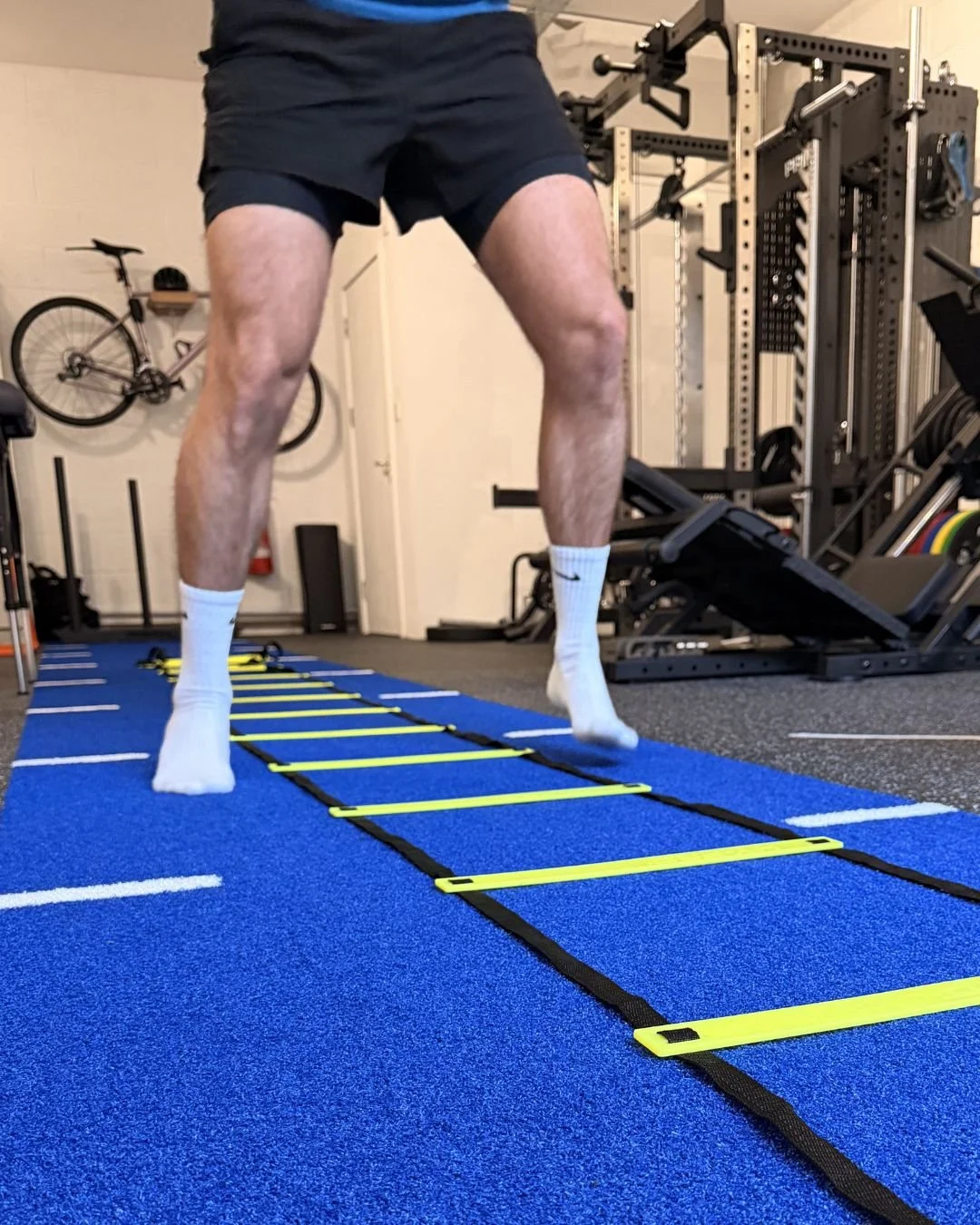
Sports Injury Physiotherapy in Bristol
Rehabilitation & Performance Return at ADAPT. PERFORM.
Injury is part of sport — but staying injured doesn’t have to be.
Whether you’re a runner, triathlete, footballer, cyclist, swimmer, tennis player, CrossFit athlete, Hyrox athlete, MMA, gym-goer, or simply someone who trains hard, the difference between a short setback and a long-term problem often comes down to how rehabilitation is managed.
At ADAPT. PERFORM., based in St Paul’s, Bristol BS2, I provide structured, performance-focused sports injury physiotherapy — combining clinical expertise, objective testing and progressive strength programming to help you return stronger than before.
Not sure what to expect at your first appointment? Find out here →
WHO I WORK WITH
We work with:
Runners (sprinters to ultra)
Triathletes
Footballers (amateur to professional)
Hyrox, CrossFit & functional fitness athletes
Kickboxers, boxers and MMA fighters
Tennis and Padel players
Swimmers and open water athletes
Gym-based strength athletes
Recreational and competitive sports participants
Sport demands force, speed, power and repeatability — rehabilitation must reflect that.
If you're looking for a sports physiotherapist in Bristol rather than a specific injury, find out more about my sports physiotherapy service →
COMMON SPORTS INJURIES I TREAT
We regularly support athletes in Bristol with:
ACL and ligament injuries
Meniscus injuries
Achilles tendon pain and rupture
Patellar tendinopathy, Proximal hamstring tendinopathy , Gluteal Tendinopathy
Hamstring and quad strains
Ankle sprains
Shoulder instability
Stress fractures
Overuse running injuries - ITB pain, Patellofemoral pain (PFP - runners knee)
Each injury requires more than symptom management — it requires restoring capacity.
Why Sports Injuries Occur
Injury is rarely random.
Common contributors include:
Sudden spikes in training volume
Inadequate strength capacity
Poor recovery between sessions
Fatigue-related movement breakdown
Returning to sport too early
Previous incomplete rehabilitation
Research consistently shows that structured strength and neuromuscular training reduces re-injury risk — particularly in ACL and ankle injuries.
Pain settling alone does not mean performance readiness.
How I Assess Sports Injuries in Bristol
At ADAPT. PERFORM., assessment includes:
Detailed injury history
Movement analysis
Strength profiling
Single-limb capacity testing
Load tolerance assessment
Return-to-sport readiness criteria
Where appropriate, I use objective performance testing with force plates and dynamometry to guide progression. This removes guesswork from rehabilitation and return-to-sport decisions — giving you clear, measurable data on whether you’re physically ready to return, not just pain-free.
I want to know not just whether you’re pain-free — but whether you’re physically ready.
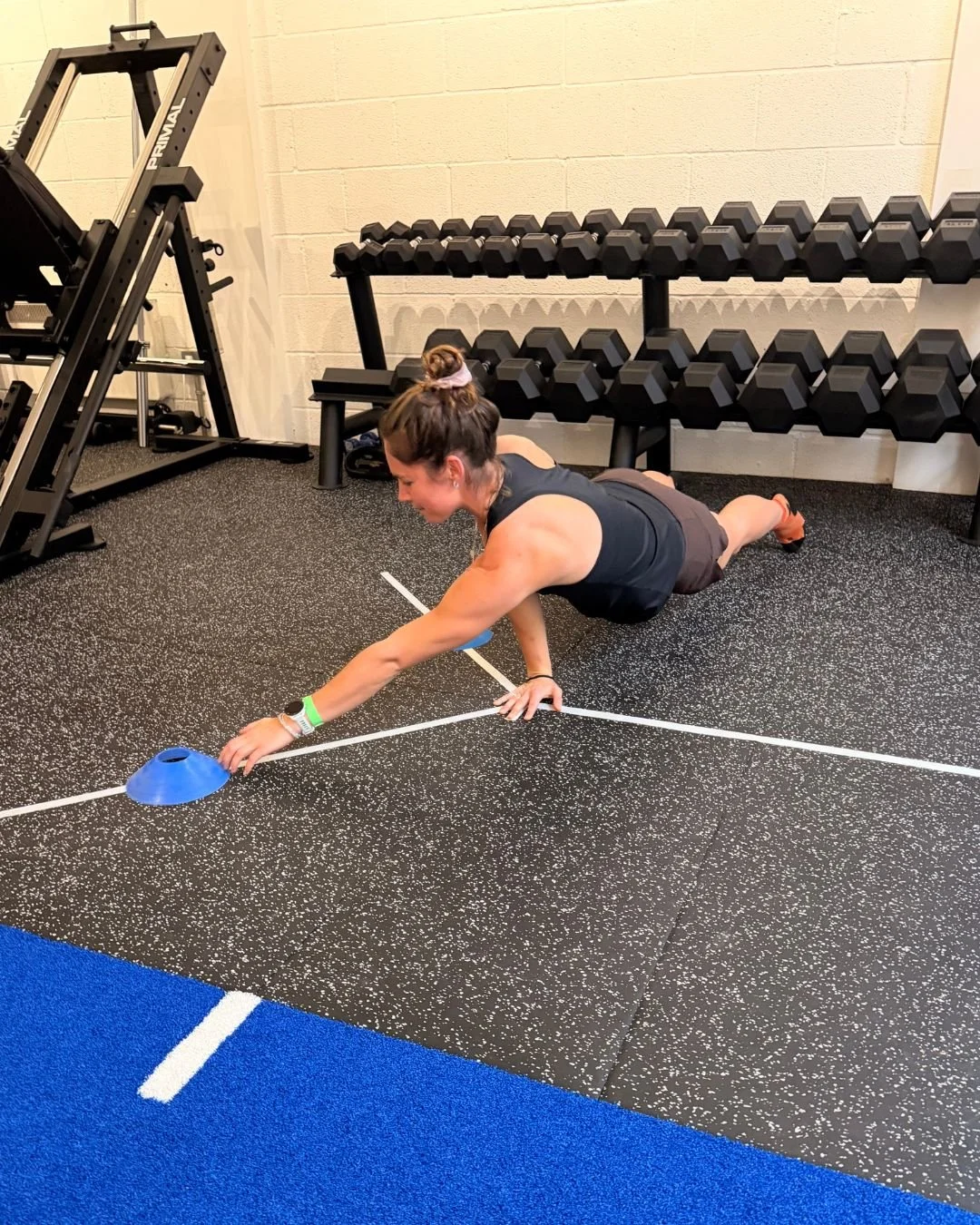
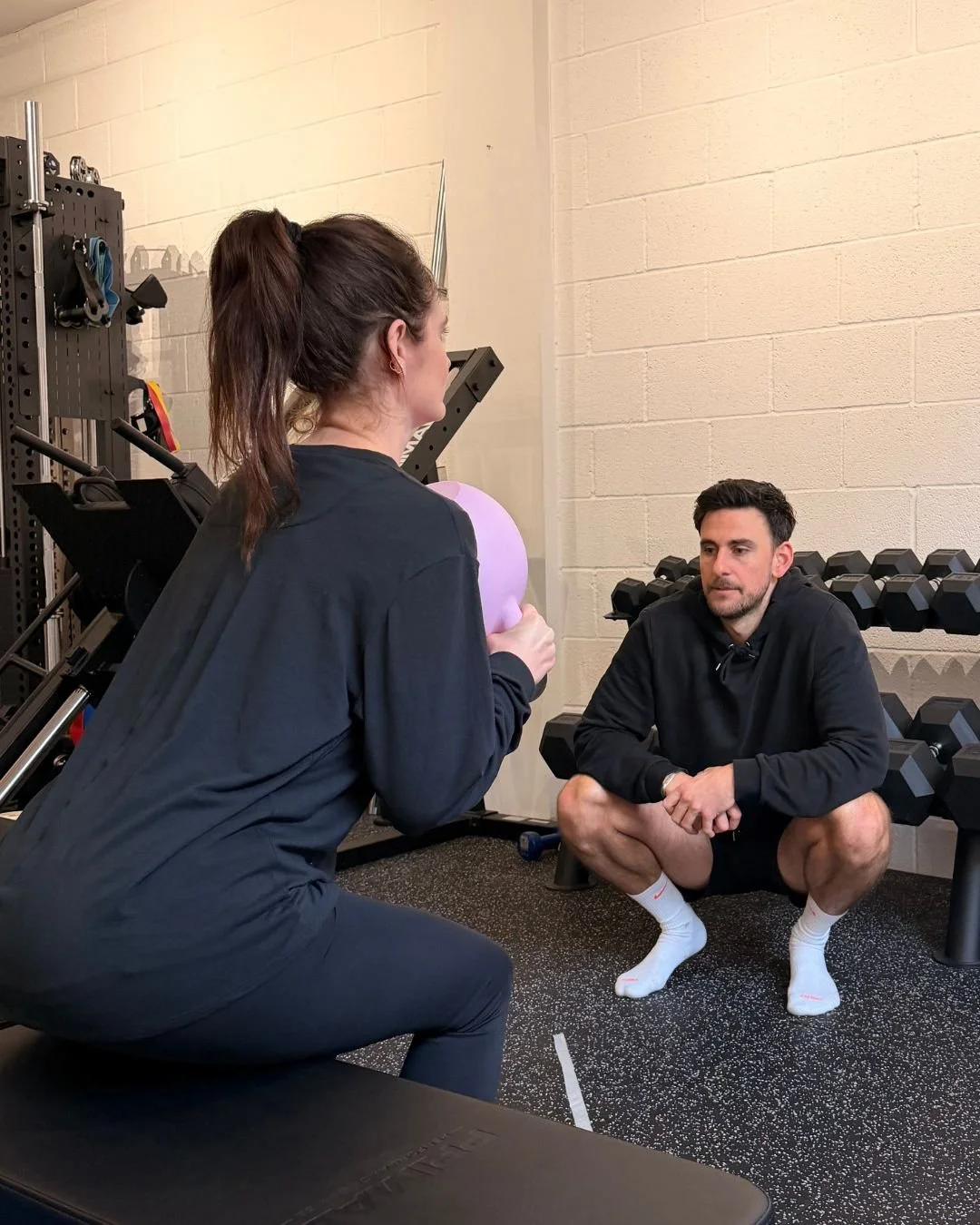
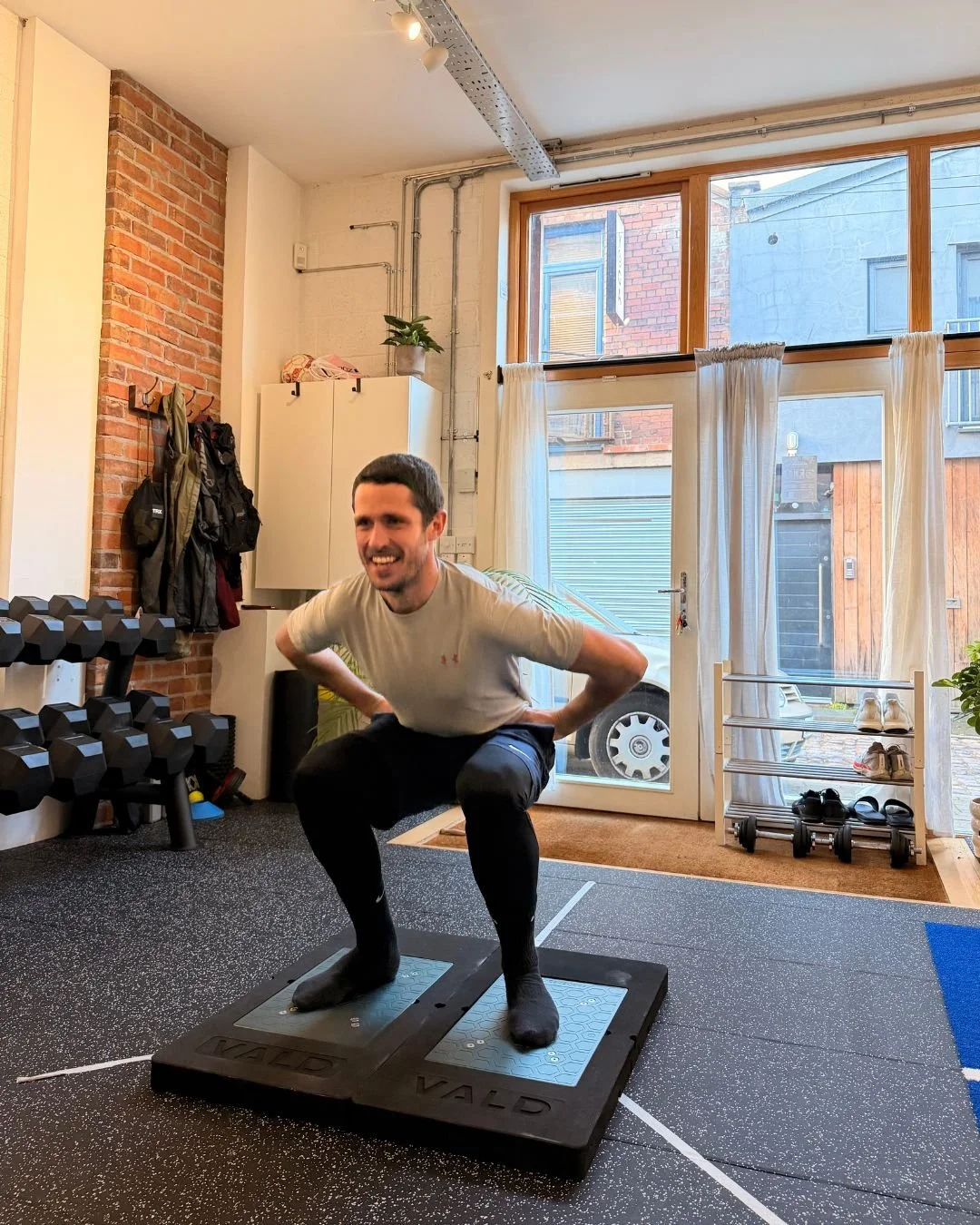
The ADAPT → recover → PERFORM Framework
ADAPT
I understand the mechanism of injury, current capacity and sport demands. I adapt training to avoid risk of deconditioning and days off training. Clear education and direction reduces fear and builds confidence.
RECOVER
I restore baseline mobility and strength using: progressive loading, isometrics and heavy slow resistance, controlled plyometrics, blood flow restriction and Compex when appropriate, manual therapy and taping when appropriate. Rehabilitation is active, structured and progressive.
PERFORM
Once symptoms reduce, I transition into: power development, plyometrics, change-of-direction drills, sprint reintroduction, sport-specific conditioning. This phase is where many traditional rehab programmes stop too early. I bridge the gap between clinic and competition.
Evidence-Based Return to Sport Timelines
Recovery from sports injury depends on tissue type, severity, and sport demands. Timeframes are guides — progression should always be based on function and capacity.
Muscle Strains (Hamstring, Quadriceps, Calf)
Muscle injuries are typically classified into three grades:
Return to sprinting or high-speed sport should be based on strength symmetry, sprint tolerance and repeated high-speed loading capacity — not simply absence of pain.
Ligament Sprains (Ankle, Knee)
Ligament injuries are also graded:
Progression should be based on objective strength, reactive control and sport-specific testing.
Tendon Injuries (Achilles, Patellar, hamstring, Gluteal)
Tendon pain is best understood using the tendon continuum model and type of injury.
| Grade | Return timeline | Description |
|---|---|---|
| Grade 1 | 2 – 4 weeks | Minor fibre disruption. Minimal strength loss. Managed with load modification and graded return. |
| Grade 2 | 4 – 8+ weeks | Partial tear. Reduced strength and pain under load. Structured progressive loading required. |
| Grade 3 | 3 – 6+ months | Significant structural disruption. May require surgical input. Extensive rehabilitation before return to sprinting or high-speed sport. |
Return to sprinting or high-speed sport should be based on strength symmetry, sprint tolerance and repeated high-speed loading capacity — not simply absence of pain.
| Grade | Return timeline | Description |
|---|---|---|
| Grade 1 | 2 – 6 weeks | Mild stretch, minimal instability. Load management and strength work typically sufficient. |
| Grade 2 | 6 – 12 weeks | Partial tear, moderate instability. Structured rehab required before return to cutting or pivoting sport. |
| Grade 3 | 3 – 9+ months | Complete rupture, significant instability. May require surgical consultation. ACL specifically: return to running ~4–6 months, return to sport 9–12+ months. |
Progression should be based on objective strength, reactive control and sport-specific testing.
| Stage | Timeline | Key notes |
|---|---|---|
| Reactive Tendinopathy | 2 – 6 weeks | Early-stage overload, often from a sudden load spike. Responds well to short-term load modification. |
| Tendon Disrepair | 8 – 16+ weeks | Collagen disruption. Requires structured progressive loading. Heavy slow resistance training is key. |
| Degenerative Tendinopathy | 12 – 24+ weeks | Long-standing structural changes, reduced tendon capacity. Progressive heavy resistance over an extended period. |
| Tendon Rupture (e.g. Achilles) | 6 – 12+ months | Structural failure — a fundamentally different pathway from tendinopathy. Return to running ~4–6 months. High-level sport 6–9+ months. |
Tendinopathy and tendon rupture are different conditions with different rehab pathways. Tendinopathy is a load intolerance condition managed with progressive loading. Rupture involves structural failure and a significantly longer timeline.
Note: Tendinopathy and tendon rupture are fundamentally different conditions with different rehabilitation pathways. Tendinopathy is a load intolerance condition managed conservatively with progressive heavy resistance training. Tendon rupture involves structural failure and requires either surgical or conservative management with a significantly longer rehabilitation timeline.
Structured loading duration depends on - severity, chronicity, tendon involved, and the individual/athlete.
Criteria-Based Return to Sport
Time is only one variable.
Before returning fully to:
• Competitive football
• High-intensity Hyrox
• Sprinting
• Contact sport
• Long-distance running
• Heavy strength training
You should demonstrate:
• Strength symmetry
• Reactive hopping or plyometric control
• Sport-specific movement tolerance
• Repeated high-load capacity
• Psychological readiness
Research consistently shows that returning based on time alone increases re-injury risk.
Why This Matters
Pain settling is a milestone.
Mobility returning is progress.
But performance readiness requires:
• Load tolerance
• Force production
• Repeatability
• Confidence
Rehabilitation should prepare you not just to return — but to stay competing.
When Should You Seek Sports Injury Physiotherapy?
Book an assessment if:
• Pain persists beyond expected healing timelines
• You’ve been told to “just rest” without structured progression
• You’ve plateaued in rehabilitation
• You feel weaker or unstable
• You want objective return-to-sport guidance
Early structured rehabilitation improves long-term outcomes.
Why Choose ADAPT. PERFORM. for Sports Injury Rehabilitation in Bristol?
We combine:
• Evidence-based physiotherapy
• Progressive strength & conditioning
• Tendon and ligament rehabilitation expertise
• Return-to-sport criteria testing
• Clear recovery staging
Our goal is simple:
Help you…
ADAPT Quicker.
RECOVER Stronger.
PERFORM Better.
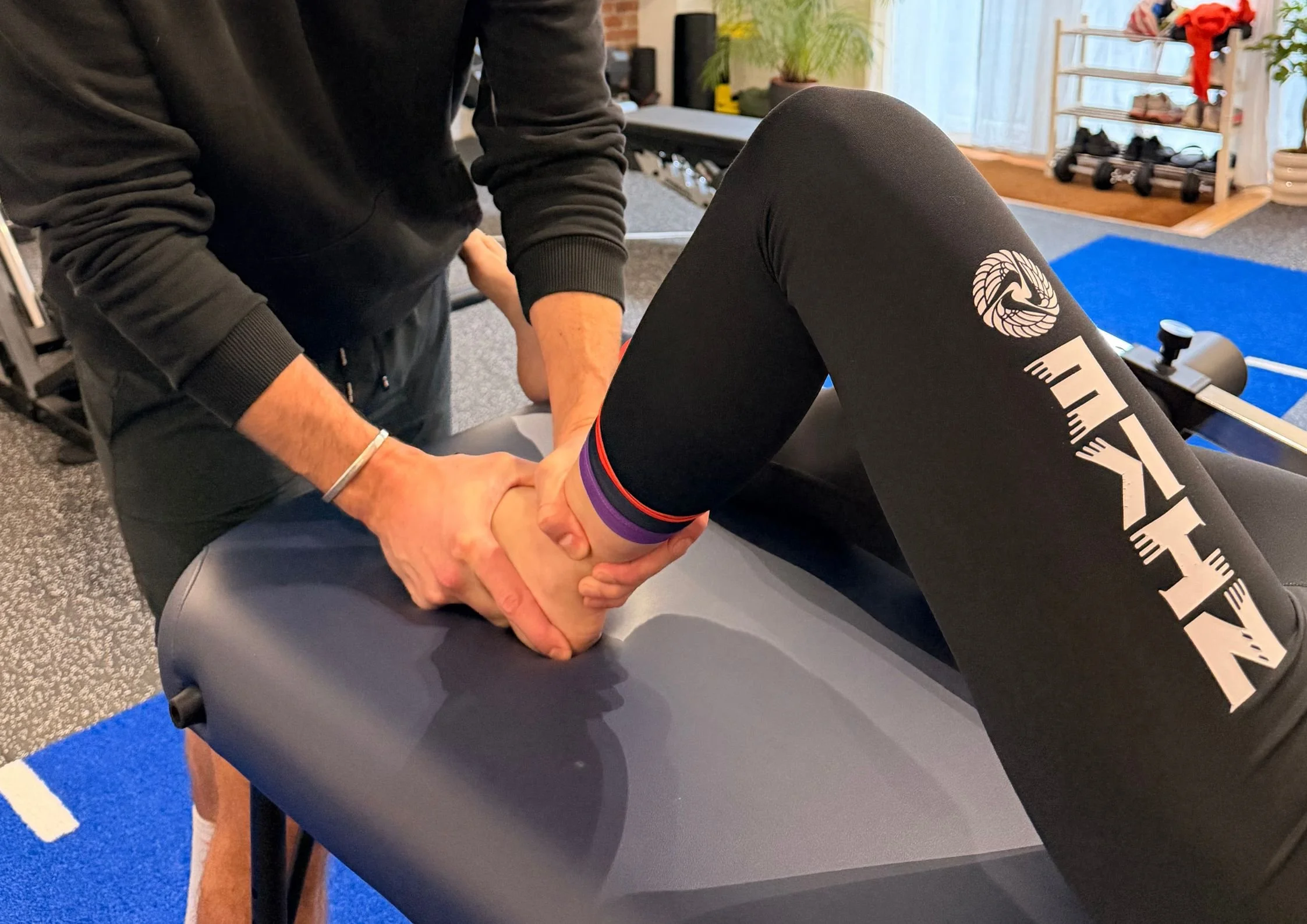
In-Person Physiotherapy
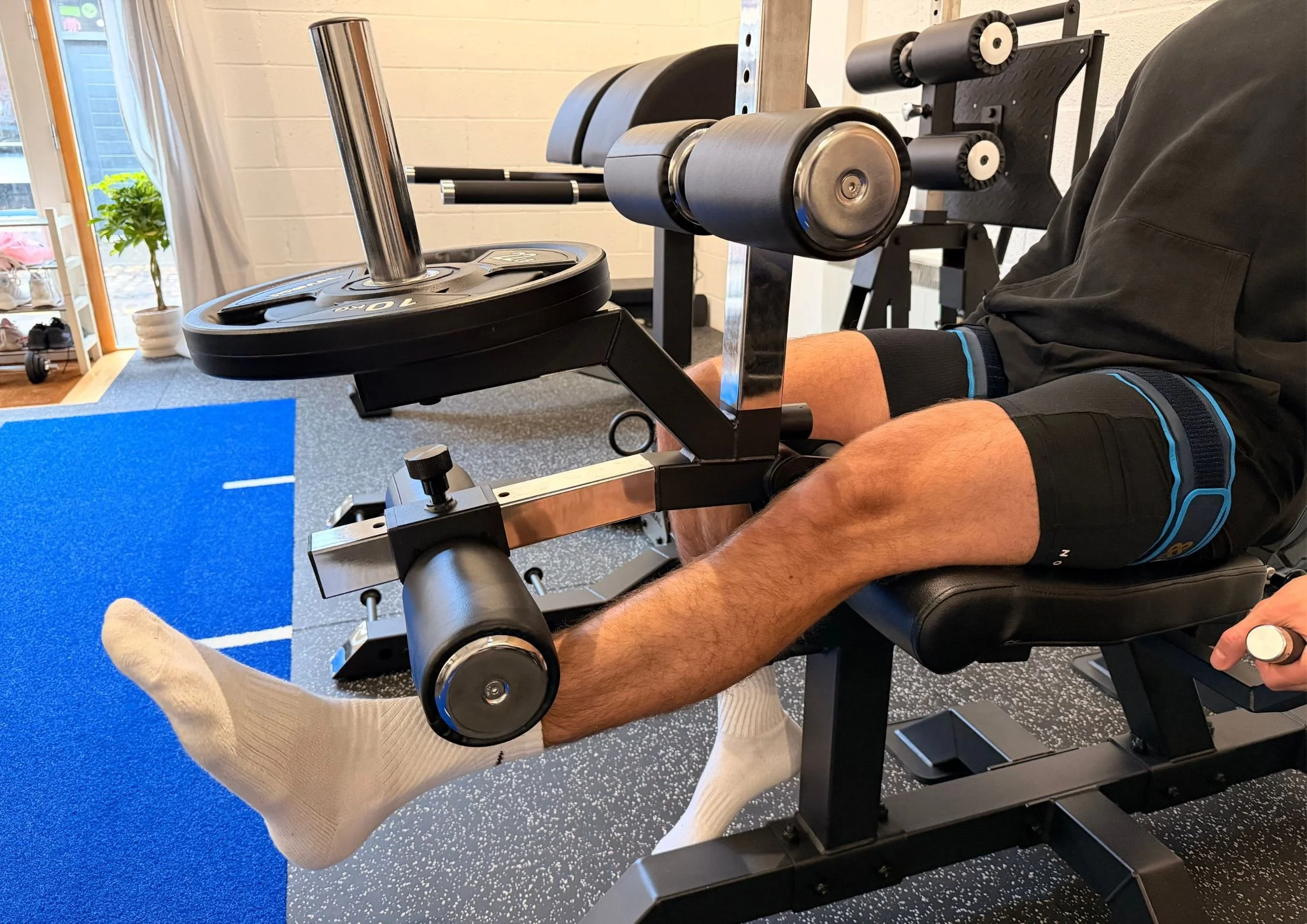
Strength & Conditioning
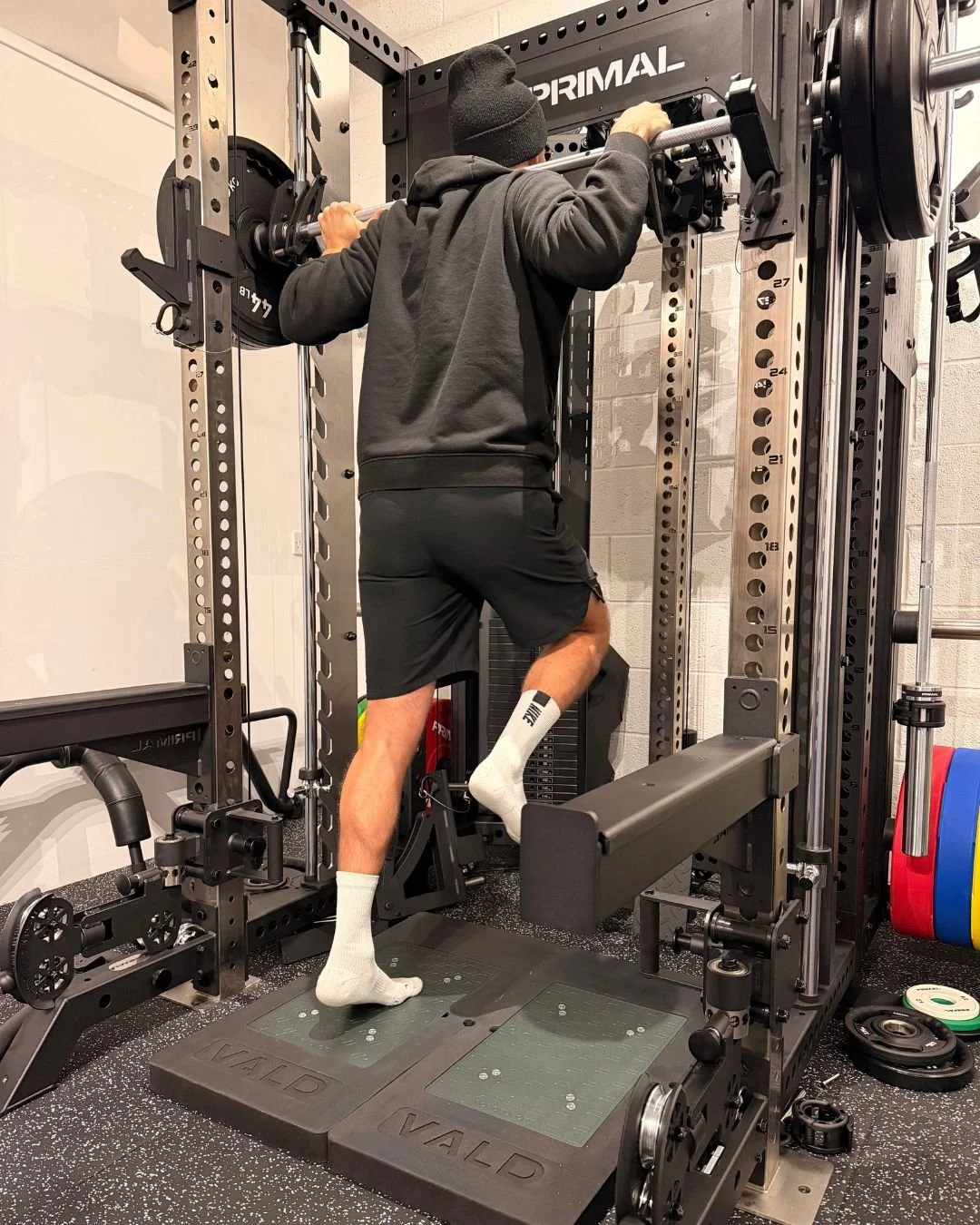
Performance Testing & Analysis
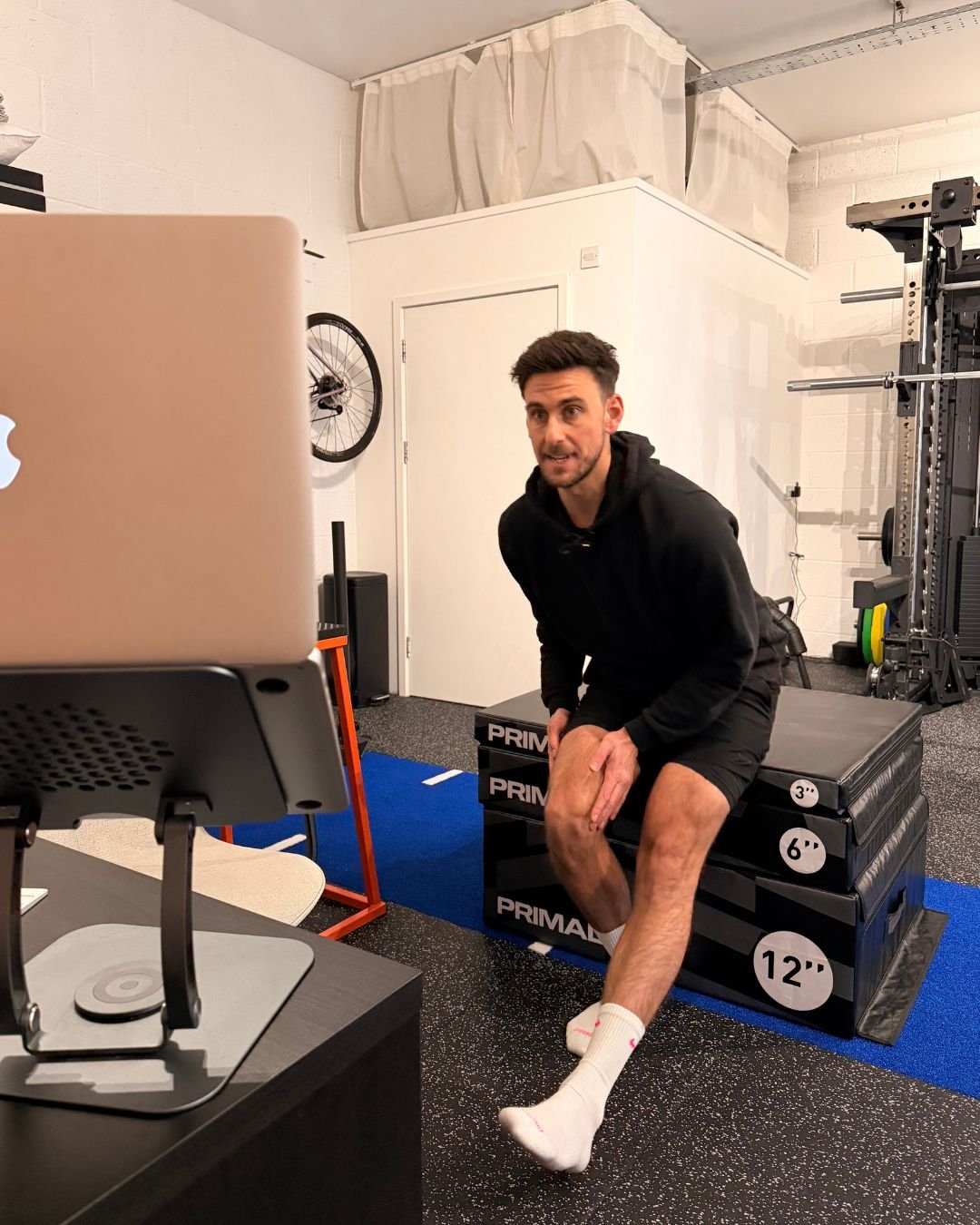
Online Physiotherapy
Why Choose ADAPT. PERFORM. for Sports Injury in Bristol
At ADAPT. PERFORM., sports injury rehabilitation doesn’t stop when pain stops. I combine evidence-based physiotherapy, progressive strength and conditioning, tendon and ligament rehabilitation expertise, return-to-sport criteria testing and clear recovery staging — all in one continuous process, from first assessment to full return.
Based in St Paul’s, Bristol BS2, I work with athletes and active individuals at every level — from competitive runners and team sport players to functional fitness athletes and anyone who trains hard and wants to get back to it properly.
See appointment options and pricing →