
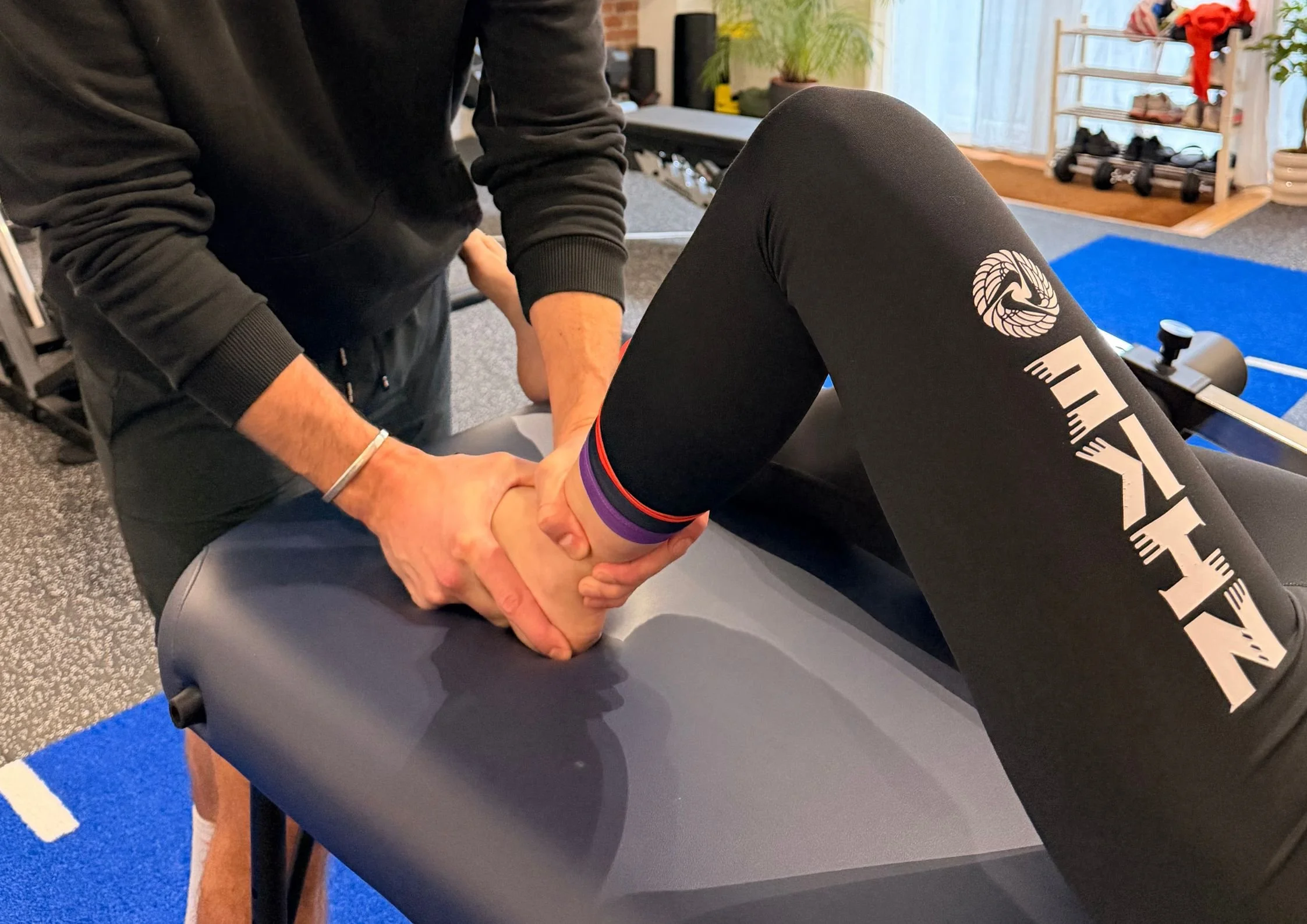
Ankle Pain Physiotherapy in Bristol
Post-Operative Rehab, Sprains & Tendon Recovery at ADAPT. PERFORM.
Ankle injuries are among the most common musculoskeletal issues seen in sport and active individuals across Bristol. From acute ligament sprains to post-operative fracture rehabilitation and Achilles tendon injuries, effective recovery requires more than rest — it requires progressive loading and strength restoration.
At ADAPT. PERFORM., based in St Paul’s, Bristol BS2, we provide evidence-based ankle and Achilles rehabilitation in Bristol, combining physiotherapy assessment, strength testing, and structured performance progression to help you return confidently to sport - running, gym training, football, CrossFit, Hyrox, and everyday activity.
Not sure what to expect at your first appointment? Find out here →
Common Ankle & Achilles Conditions I Treat
I regularly support clients with:
Lateral and medial ankle sprains
Chronic ankle instability
Post-operative ankle fractures
Syndesmosis (“high ankle”) injuries
Achilles tendinopathy
Achilles rupture (surgical and non-surgical)
Peroneal and Tibialis Posterior tendon irritation
Running and sport-related ankle pain
Each condition requires slightly different progression — but the underlying principle remains the same: restore load capacity safely and progressively.
Why Ankle Injuries Occur
Most ankle injuries occur due to:
Sudden inversion / eversion or twisting movement
Rapid change of direction in sport
Inadequate rehabilitation following a previous sprain
Sudden increase in running volume
Reduced calf strength
Fatigue and poor reactive control
Research shows that individuals who do not complete structured rehabilitation after an ankle sprain are significantly more likely to experience recurrence or chronic instability.
For Achilles tendon pain, evidence suggests that load intolerance — rather than inflammation — is the primary driver. Tendons require progressive mechanical loading to remodel and strengthen.
How We Assess Ankle & Achilles Injuries in Bristol
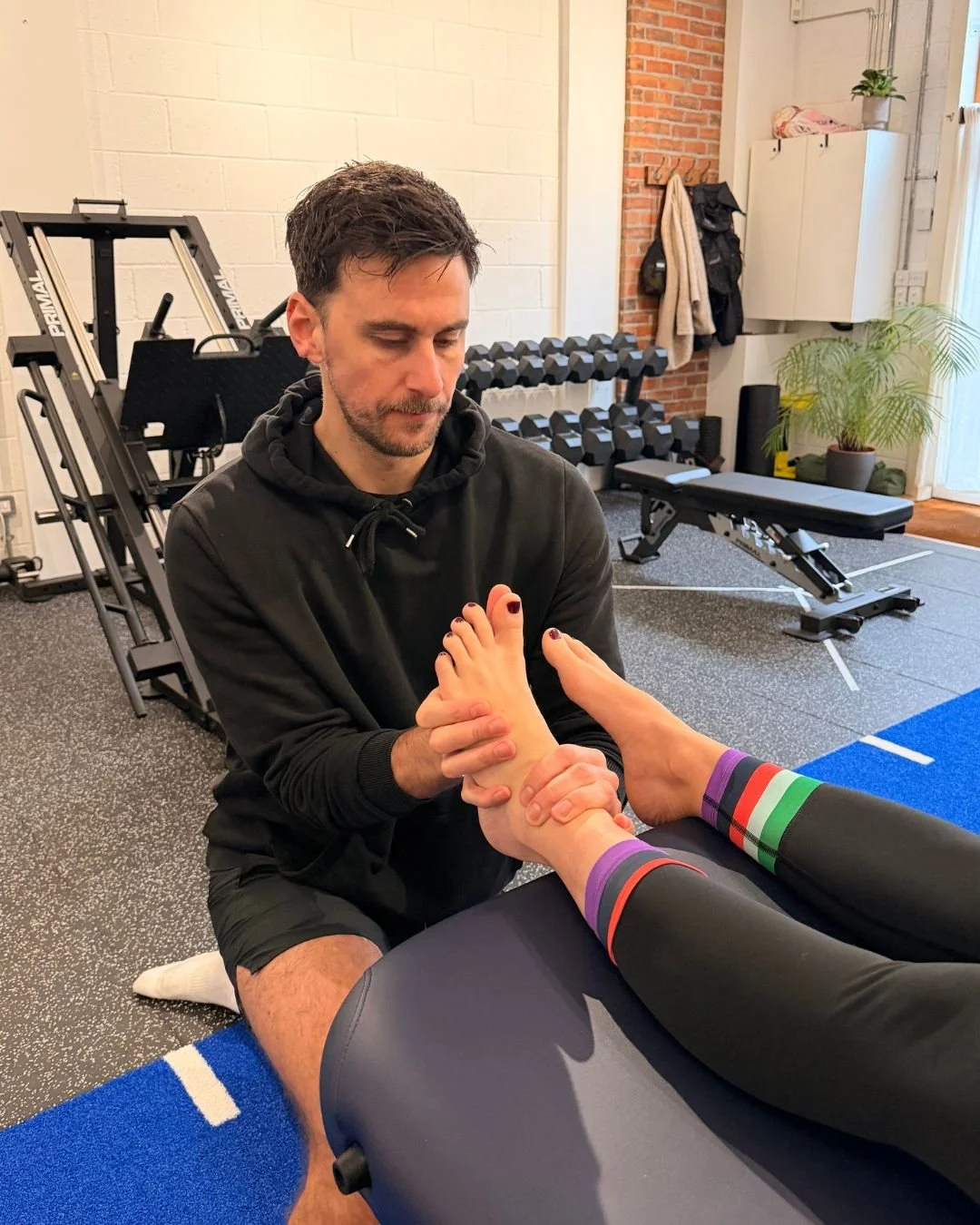
At ADAPT. PERFORM., assessment goes beyond swelling and range of motion.
I evaluate:
Ankle mobility and joint mechanics
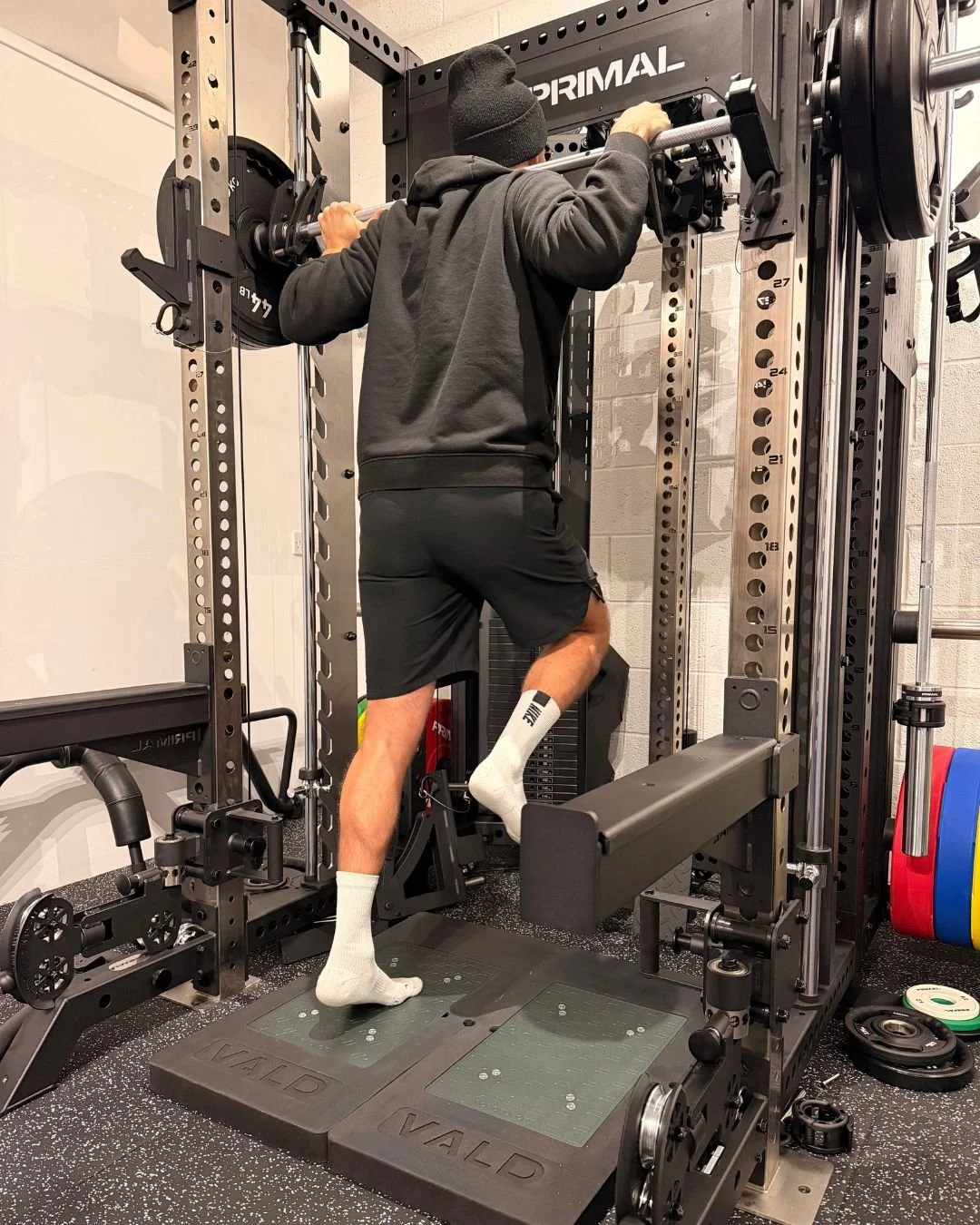
Calf strength (single-leg capacity)
Balance and reactive stability
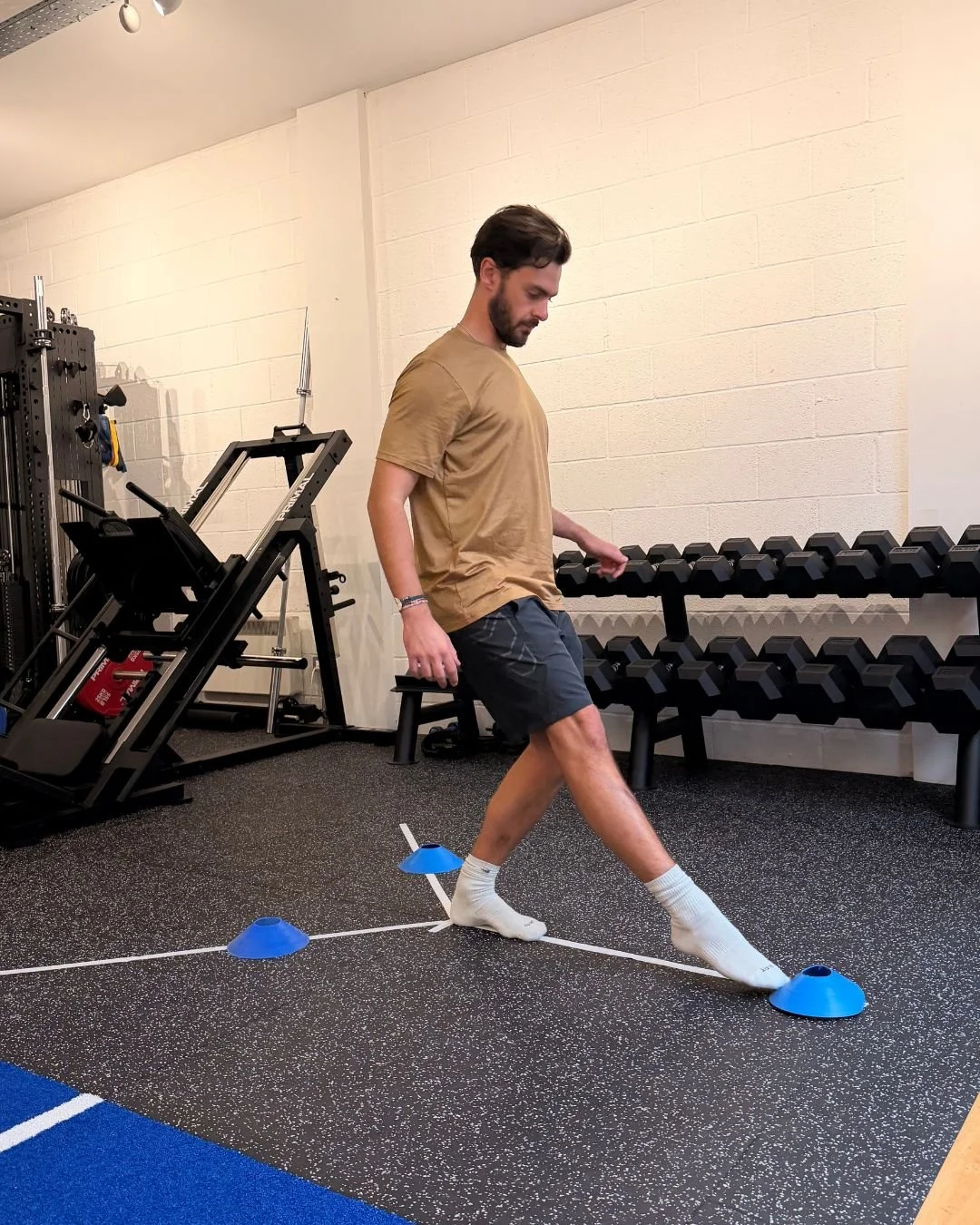
Load tolerance during walking, hopping, and running
Movement patterns in sport-specific tasks
Where appropriate I use objective calf strength testing and single-leg hop assessments to guide progression — particularly useful in Achilles rupture and post-operative cases where return-to-running criteria should be data-driven rather than symptom-only.
The ADAPT. PERFORM. APPROACH
I follow our structured ADAPT → RECOVER → PERFORM model.
ADAPT
I assess the injury mechanism, healing stage, and your performance goals. We modify exercise and activity routines to these. Education around healing timelines is key — especially following surgery or rupture.
RECOVER
Early rehabilitation may include:
Mobility restoration
Controlled loading
Isometric strength work
Manual therapy and taping when appropriate
For Achilles tendinopathy, evidence supports heavy slow resistance training over purely passive modalities.
PERFORM
Once baseline strength improves, we progress toward:
Single-leg strength development
Plyometrics
Running reintroduction
Change-of-direction drills
Sport-specific reactive control
This stage is often where incomplete rehab leads to re-injury — particularly in football and running.
For runners and sport athletes, this phase includes return-to-running progressions, reactive stability work, change-of-direction drills and sport-specific loading. For Achilles rupture rehabilitation, return-to-running and return-to-sport criteria are objective — based on calf strength symmetry and single-leg hop testing, not just pain-free walking.
Evidence-Based Recovery Timeframes
Recovery varies depending on injury severity and whether surgery was required.
Lateral Ankle Sprain
Mild sprains: approximately 4–6 weeks
Moderate sprains: 6–12 weeks
Chronic instability: requires structured strength progression
Achilles Tendinopathy
Research supports structured loading over 12–16 weeks for meaningful tendon adaptation.
Achilles Rupture
Walking function typically improves by 8–12 weeks
Return to running often around 4–6 months
High-level sport may take 6–9+ months
Both surgical and non-surgical protocols can achieve comparable outcomes when structured rehabilitation is followed appropriately.
Post-Operative Ankle Fracture
Weight-bearing progression varies (6–12 weeks)
Strength rebuilding continues for several months
Recovery is individual. Timelines provide guidance — progression should be based on function and capacity, not just time.
Return to Running & Sport
Before returning fully to:
Football
Running
Hyrox
Court sports
Gym training
You should demonstrate:
Single-leg calf strength symmetry
Reactive hopping control
Confidence in directional changes
Tolerance to repeated loading
Pain settling alone is not enough. Objective readiness reduces recurrence risk.
Learn more about → Return to Running After Injury
When Should You Seek Physiotherapy?
Consider assessment if:
Swelling persists beyond 1–2 weeks
You feel instability or weakness
You’ve had repeated ankle sprains
You’re unsure how to progress after surgery
You’ve returned to sport but pain keeps flaring
Early structured rehab significantly reduces recurrence rates.
Why Choose ADAPT. PERFORM. for Ankle Rehab in Bristol?
We integrate:
Physiotherapy assessment
Strength and load progression
Performance-focused rehabilitation
Return-to-sport testing
Our goal is not simply to reduce pain — but to restore ankle capacity so you can train and compete confidently.
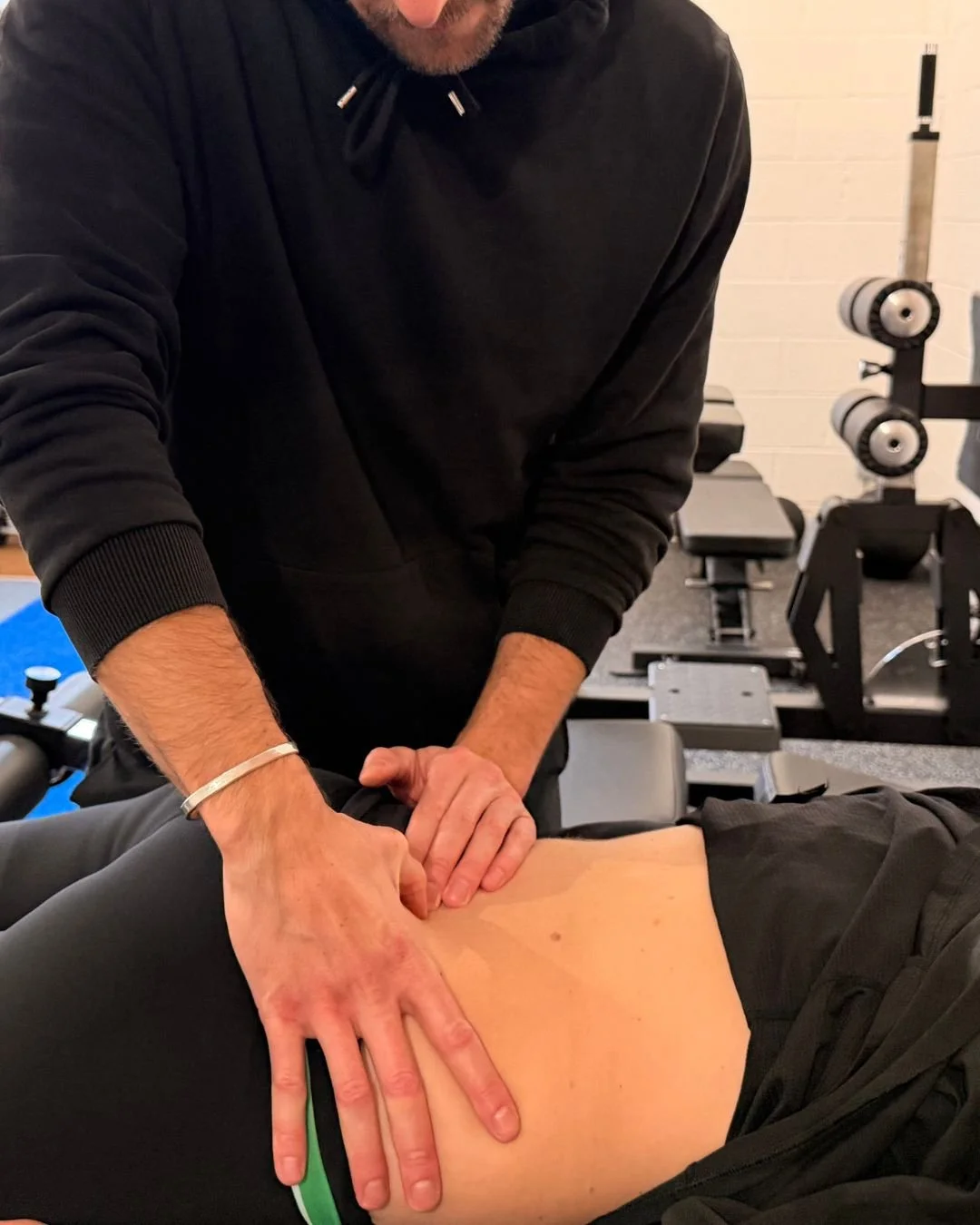
In-Person Physiotherapy
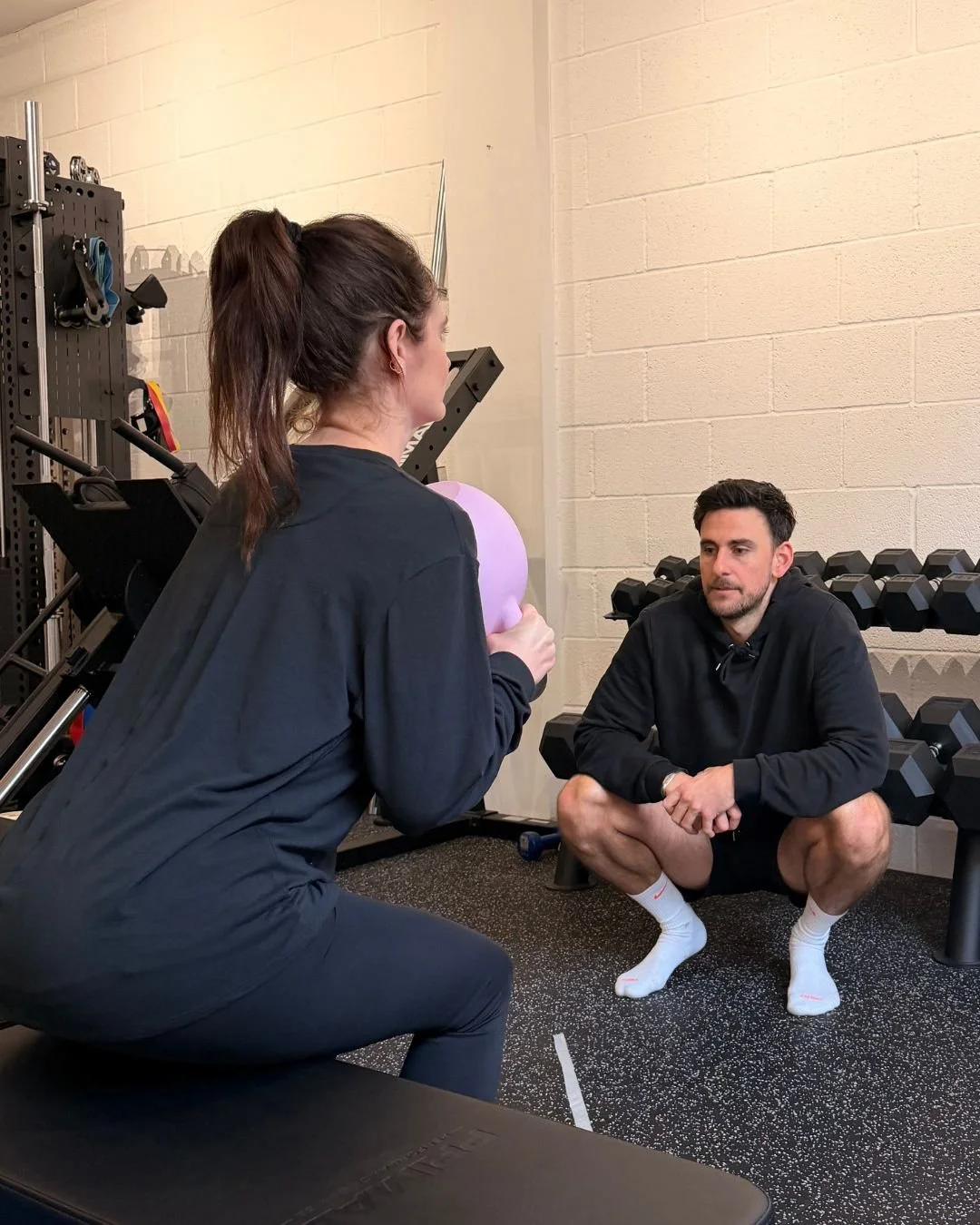
Performance Analysis & Testing
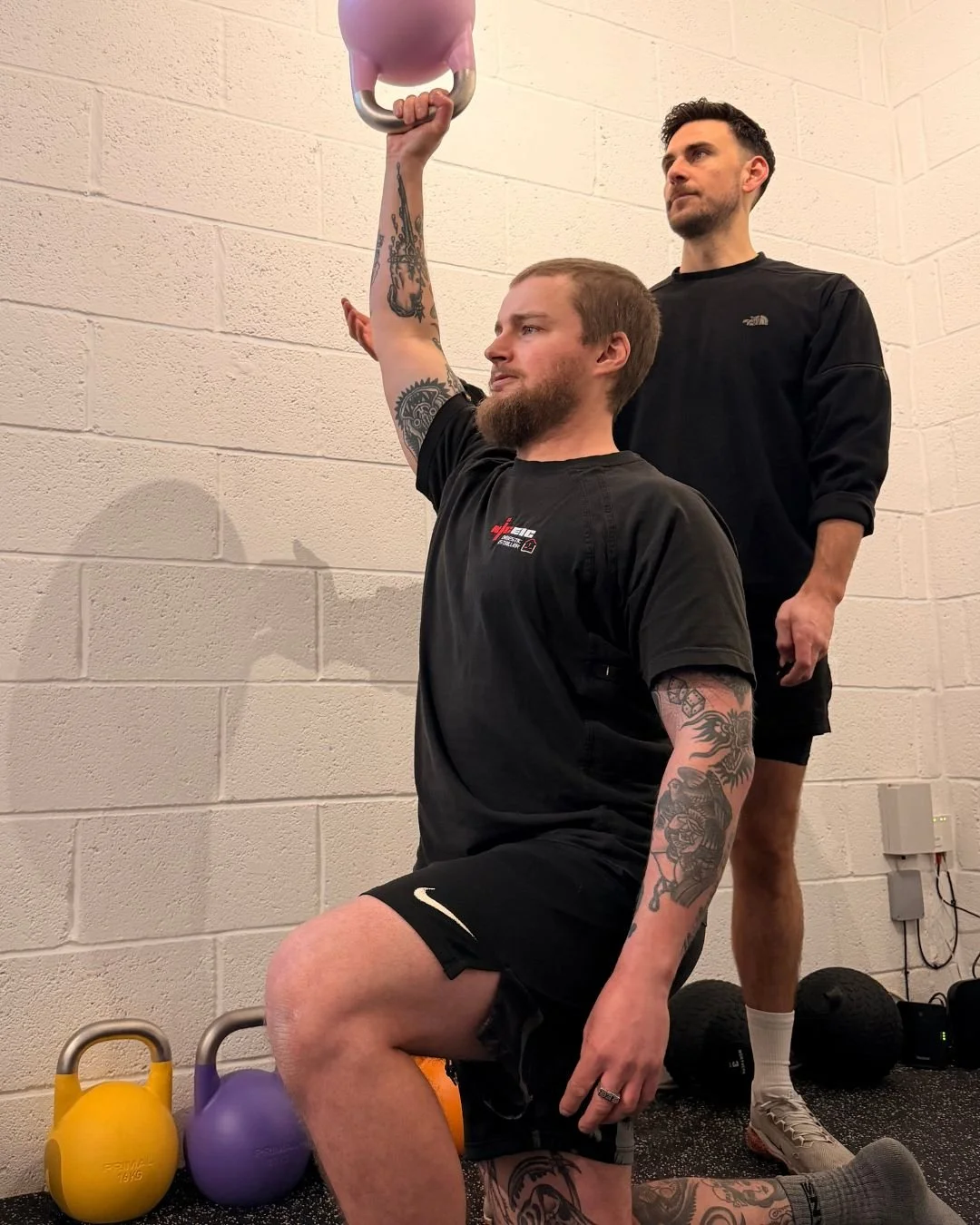
Strength & Conditioning
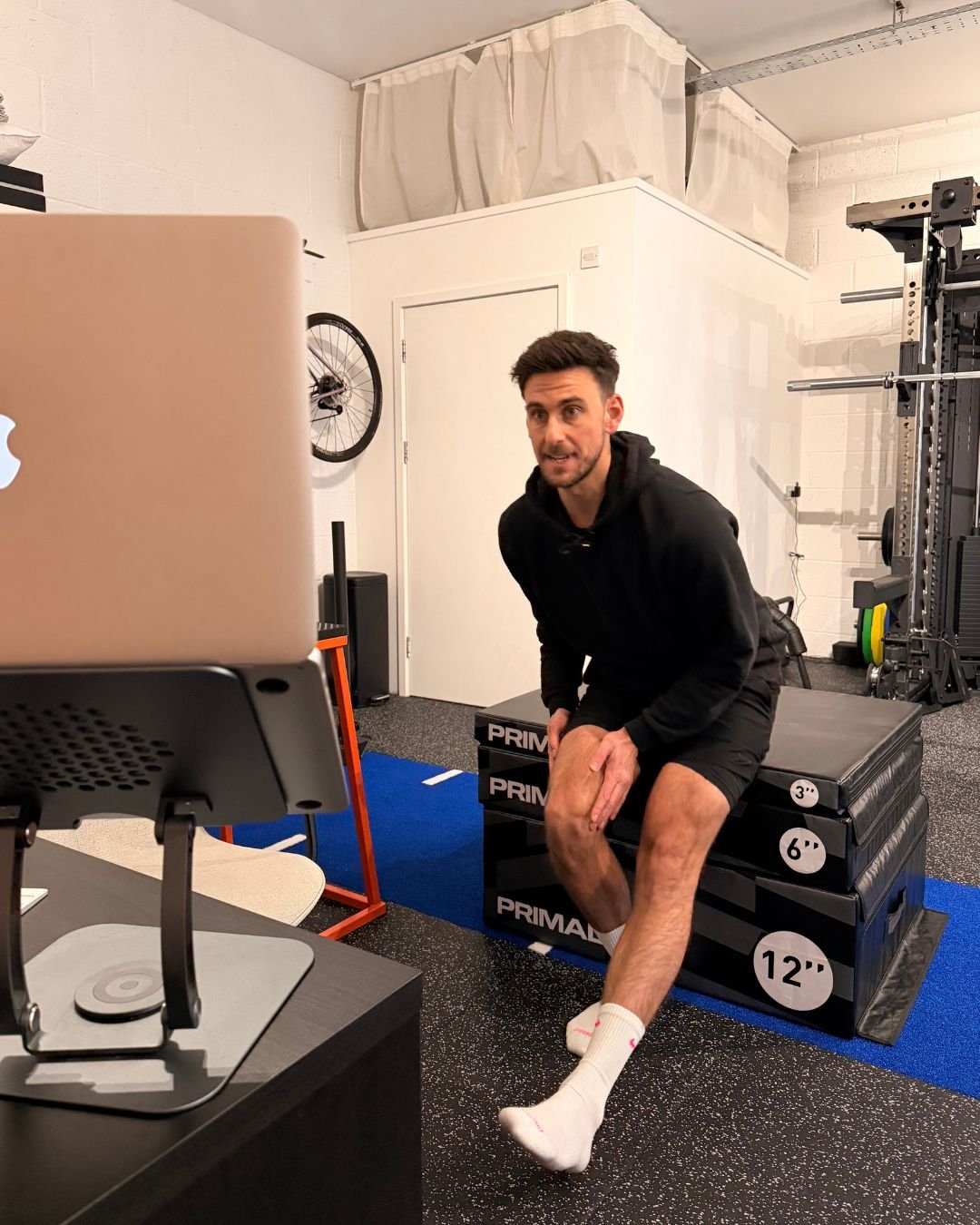
Online Physiotherapy
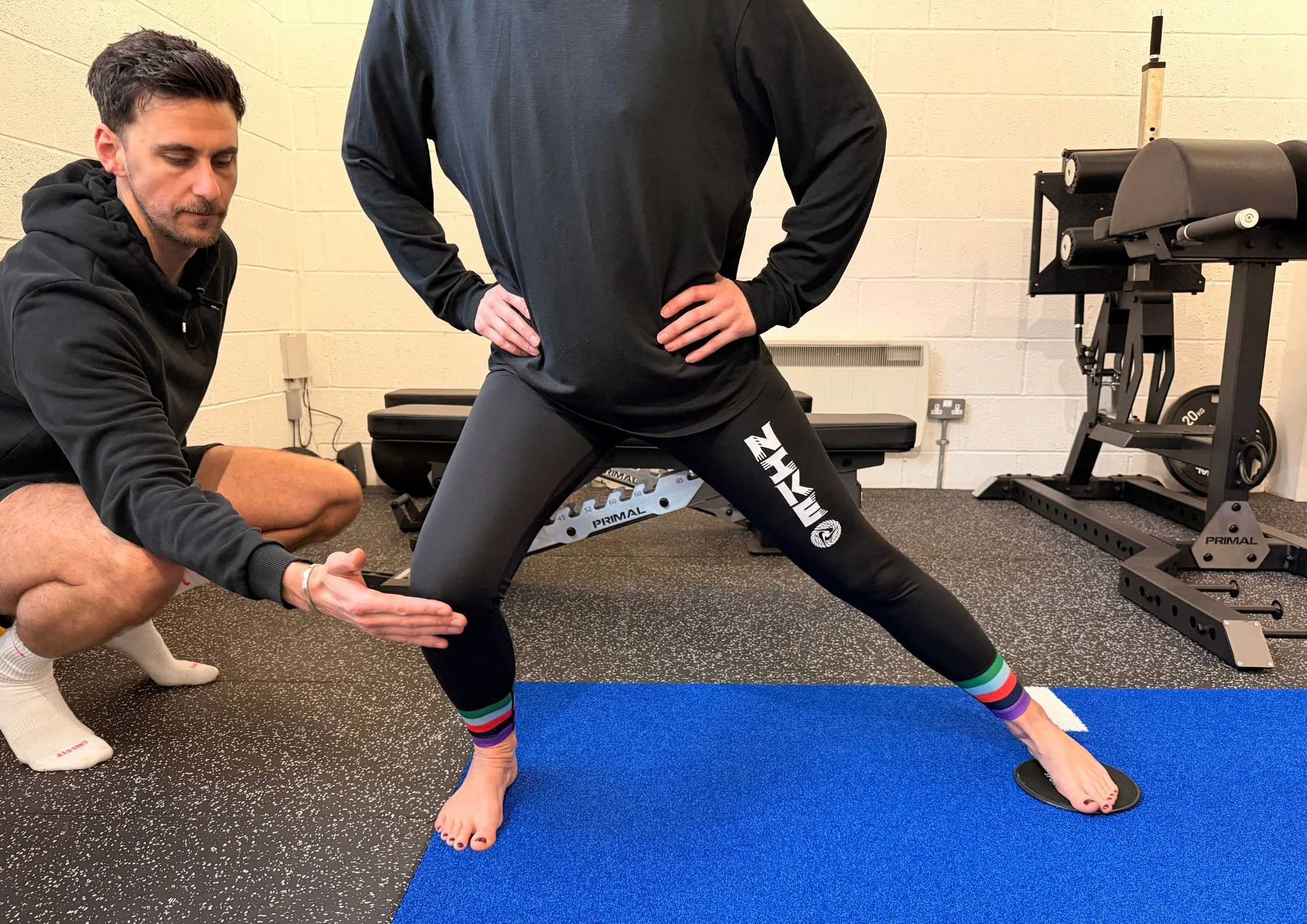
Ready to Address Your Ankle Pain?
Based in St Paul’s, Bristol BS2, I work with people managing ankle and Achilles injuries across the city — from footballers and runners to those recovering from fracture surgery or dealing with chronic instability that keeps coming back.
Book your initial assessment and leave with a clear understanding of what’s driving your symptoms and a structured plan to move forward.
See appointment options and pricing →