
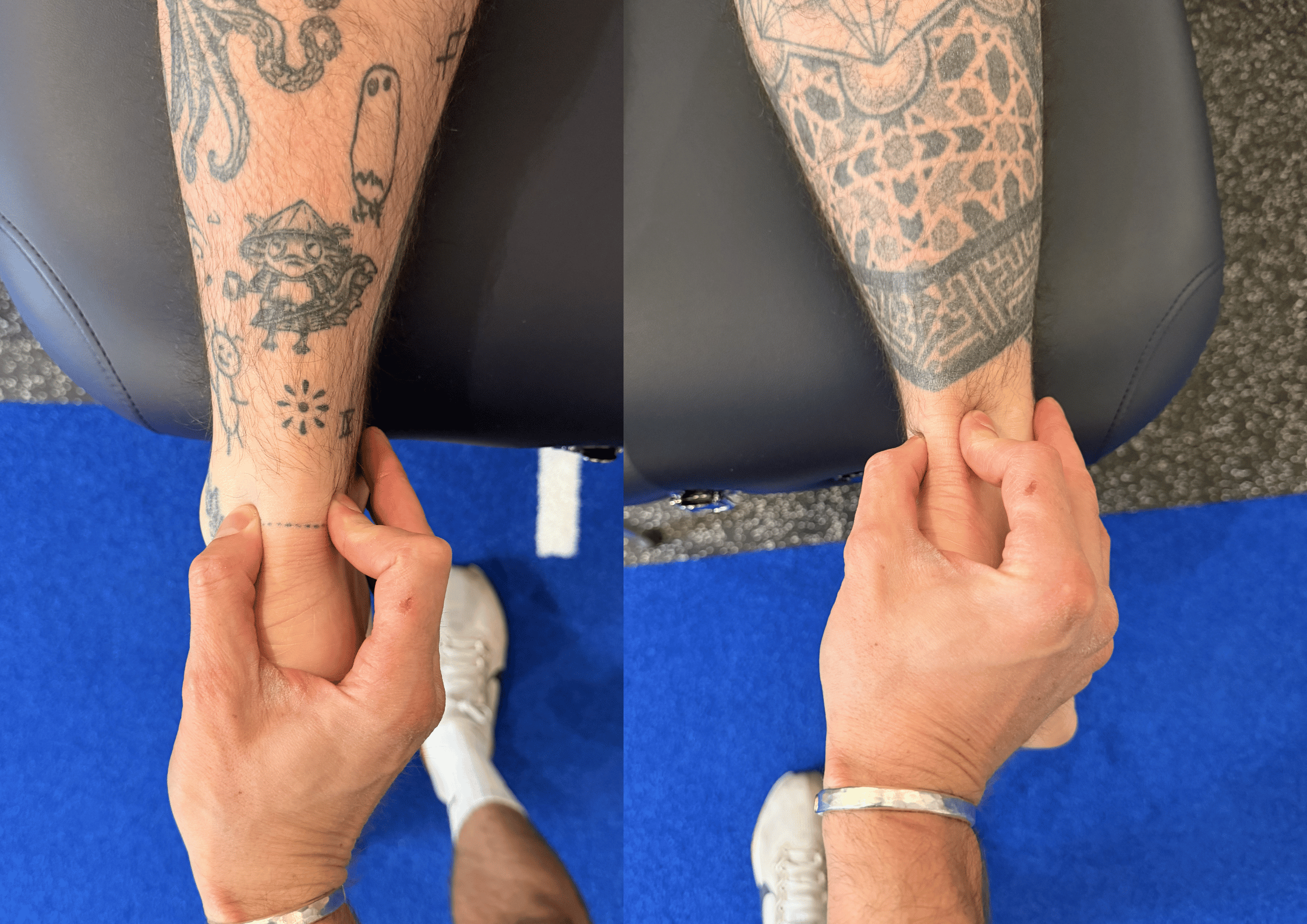
Tendon Pain Treatment in Bristol
Tendon pain, often referred to as tendinopathy, is a common injury affecting both athletes and active individuals. Tendon injuries often develop gradually and are typically related to repeated loading of a tendon over time.
Common examples include Achilles tendinopathy, patellar tendon pain, proximal hamstring tendinopathy and gluteal tendinopathy.
At ADAPT. PERFORM., rehabilitation focuses on restoring the tendon’s ability to tolerate load through progressive strengthening and structured rehabilitation.
Rather than focusing only on pain reduction, treatment aims to rebuild strength and improve the tendon’s capacity so that individuals can return to activity with confidence.
Based in St Paul's, Bristol BS2, I work with people across the city managing tendon pain — from runners with Achilles issues to gym athletes with patellar tendinopathy, cyclists with gluteal tendon problems, and anyone whose tendon pain has been building for months without a clear plan.
Not sure what to expect? Find out here →
What is Tendon Pain (Tendinopathy)?
Tendons connect muscles to bones and transmit force during movement.
When tendons are repeatedly exposed to load without sufficient recovery, the tendon can become sensitive and painful. Over time, changes in the tendon structure and its ability to tolerate load may occur.
Unlike many acute injuries, tendon pain often develops gradually and may persist if loading is not managed appropriately.
Tendons respond positively to the right type of loading. This means rehabilitation typically focuses on gradually rebuilding strength and improving the tendon’s tolerance to activity.
Common Tendon Injuries
Tendinopathy can affect many areas of the body. Some of the most common tendon injuries include:
Patellar tendinopathy (jumper’s knee)
Proximal hamstring tendinopathy
Peroneal tendinopathy
Medial epicondylitis (Golfer’s Elbow)
Lateral epicondylitis (Tennis Elbow)
Bicep tendinopathy
These injuries are commonly seen in sports involving running, jumping, throwing, hitting or repeated loading of the lower & upper limbs.
Why Tendon Pain Develops
Tendon injuries often develop when the load placed on a tendon exceeds the tendon’s current capacity.
Contributing factors may include:
Rapid increases in training volume or intensity
Sudden changes in activity levels
Insufficient strength or tissue capacity
Repetitive movements or overuse
Previous tendon injury
Understanding these factors helps guide effective rehabilitation and reduce the risk of symptoms returning.
The Tendon Continuum Model
Modern understanding of tendon injuries is often explained using the tendon continuum model.
This model describes tendon injury as progressing through stages based on how the tendon responds to load.
Reactive Tendinopathy
This early stage often occurs when a tendon is exposed to a sudden increase in load. The tendon becomes sensitive and painful but structural damage is usually minimal.
Tendon Dysrepair
At this stage the tendon begins to show more structural changes and reduced tolerance to load.
Degenerative Tendinopathy
In long-standing cases the tendon may show more significant structural changes. However, even in these situations rehabilitation focusing on progressive loading can improve symptoms and function.
Understanding the stage of tendon injury helps guide appropriate rehabilitation strategies.
| Stage | Tendon state | Loading approach |
|---|---|---|
| Reactive tendinopathy | Early-stage overload. Tendon is sensitive and painful. Structural damage usually minimal. Often follows a sudden increase in load. | Short-term load modification. Isometric exercises for strength and analgesic effect. Typically responsive to appropriate load management within 2–6 weeks. |
| Tendon dysrepair | Structural changes begin to occur. Reduced load tolerance. Symptoms more persistent. | Structured progressive loading. Heavy slow resistance as the foundation. Gradual reintroduction of higher-load and plyometric work. Typically 8–16+ weeks. |
| Degenerative tendinopathy | Long-standing structural changes. Reduced tendon capacity. Progress may be non-linear. | Extended progressive loading over 12–24+ weeks. Sustained heavy loading to drive tendon adaptation. Realistic expectations important — consistency matters more than intensity. |
Progression between stages is based on how the tendon responds to load, not on a strict timeline. Some discomfort during loading is normal — what matters is how symptoms settle in the 24 hours following exercise.
Physiotherapy Assessment for Tendon Injuries
Assessment begins with a detailed discussion of symptoms and activity levels.
Important factors include:
Onset of symptoms
Training or activity levels
Aggravating activities
Previous injury history
Physical assessment may include:
Movement assessment
Strength testing
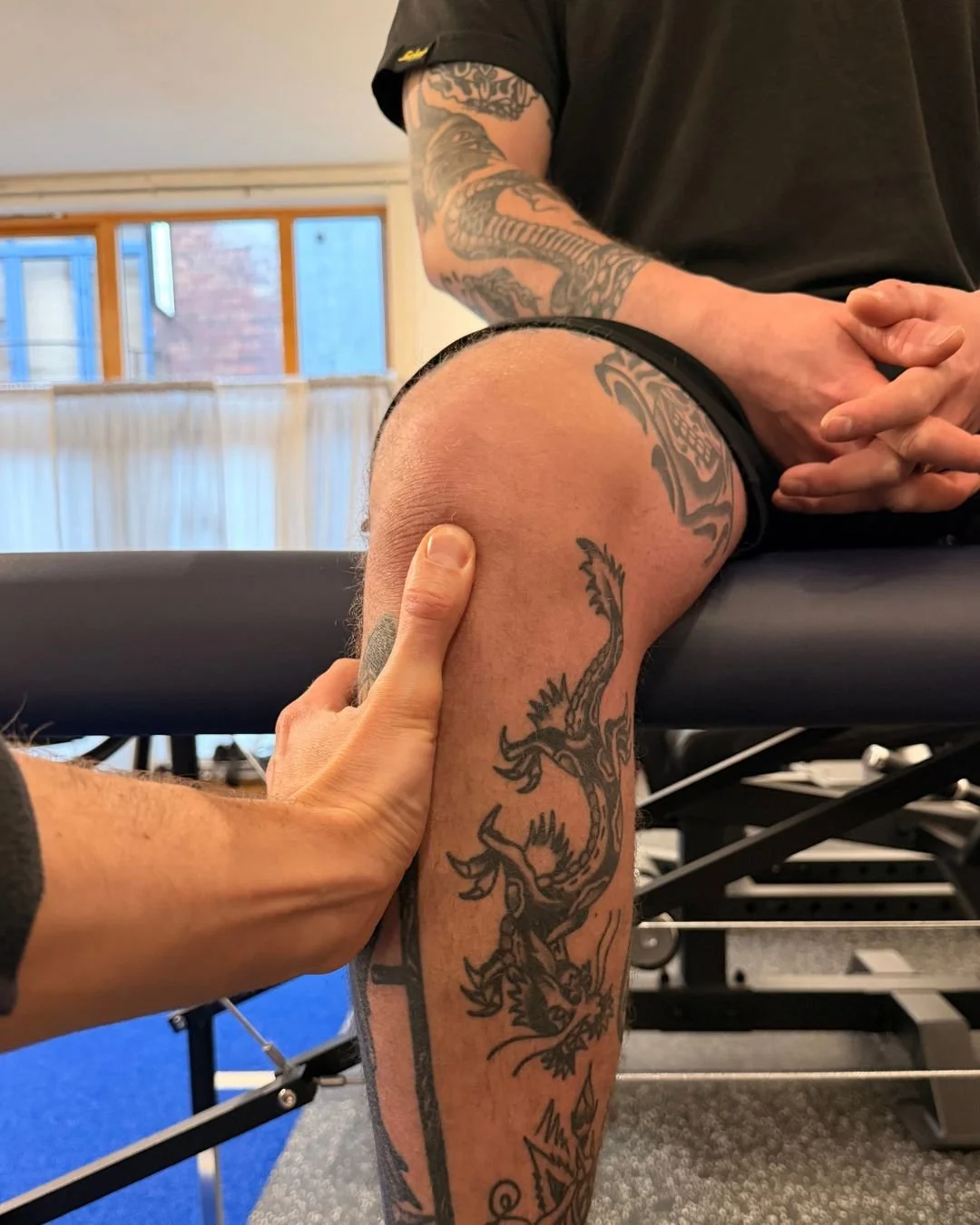
Tendon loading tests
Evaluation of training load
This information helps guide rehabilitation planning.
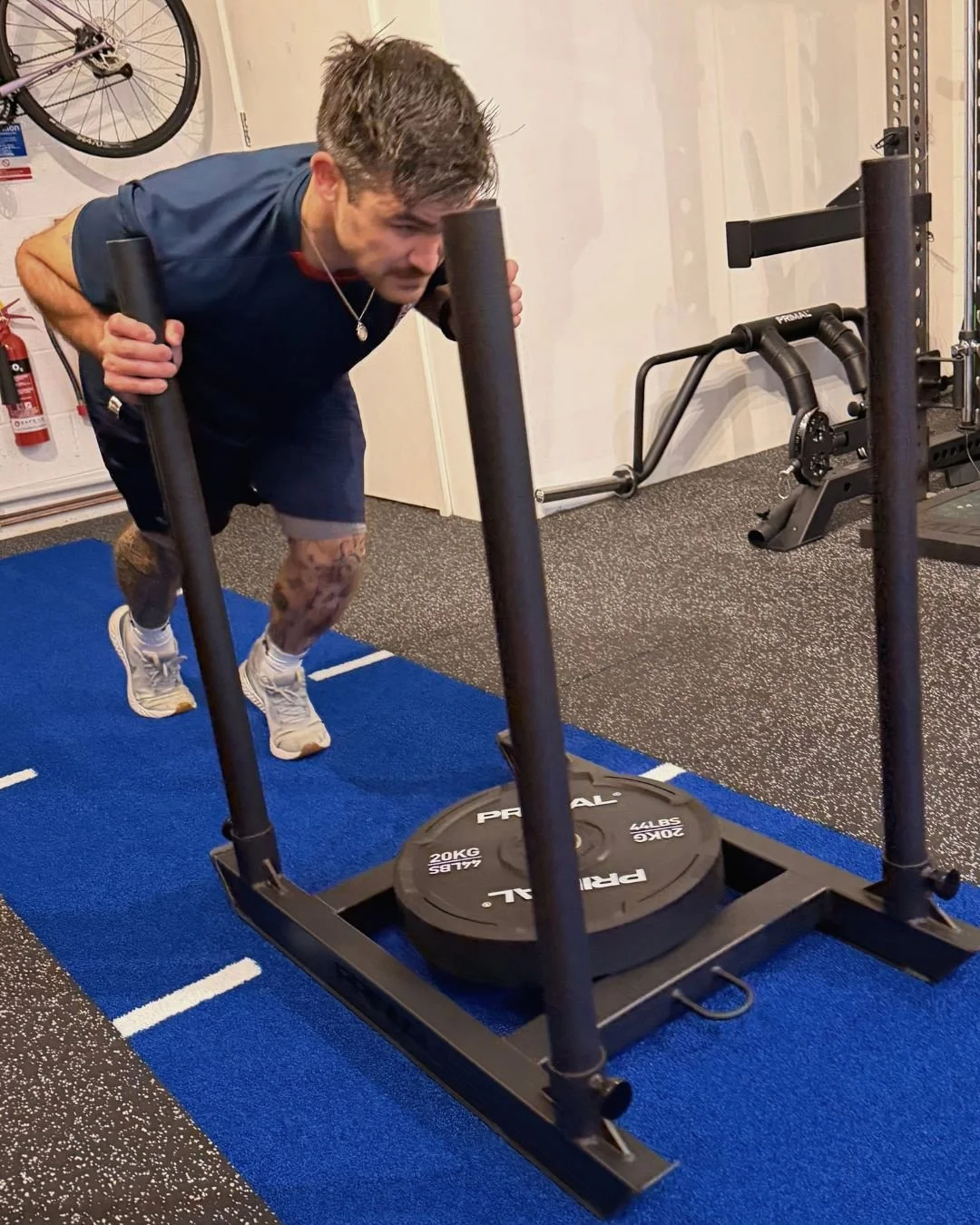
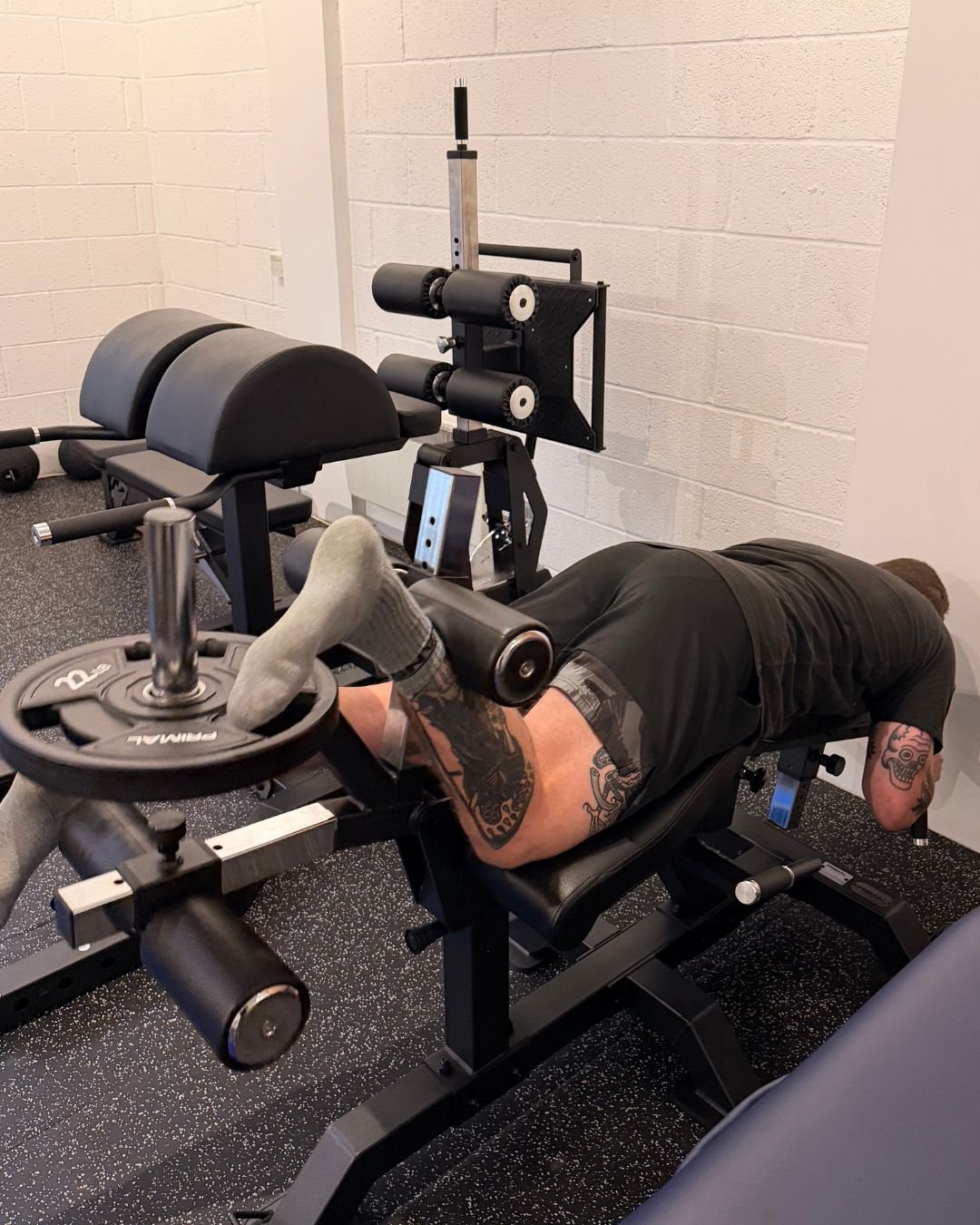
Understanding Tendon Rehabilitation
Tendon rehabilitation is usually guided by how the tendon responds to load rather than following a strict timeline.
Many individuals move through different stages of rehabilitation as the tendon gradually regains its capacity to tolerate activity. However, progression varies between individuals and depends on several factors including symptom levels, recovery after exercise and overall activity demands.
Early stages of rehabilitation often focus on managing pain sensitivity and introducing controlled loading to the tendon.
As tolerance improves, exercises are gradually progressed to increase strength and load capacity. Later stages of rehabilitation may involve higher-load exercises and movements that prepare the body for sport or activity.
Progression is based on how the tendon responds to exercise and activity rather than being determined solely by time.
Rehabilitation for Tendon Pain
Rehabilitation for tendon injuries focuses on gradually restoring the tendon’s ability to tolerate load.
Loading exercises stimulate adaptation within the tendon and surrounding muscles, helping improve strength and resilience over time.
Rehabilitation programmes may include:
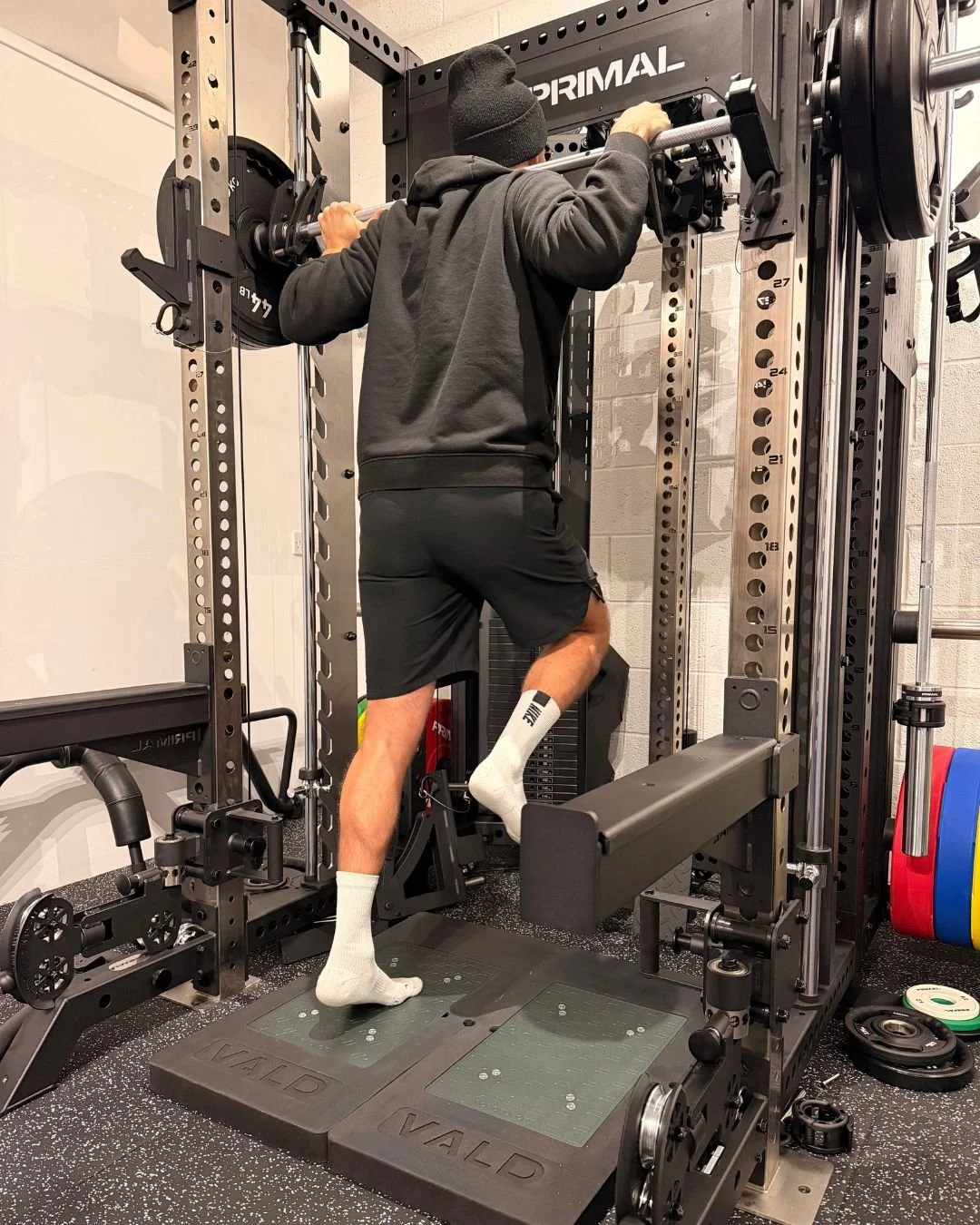
Isometric exercises
Heavy slow resistance training / eccentric strengthening exercises
Plyometric / stretch-shortening cycle exercises
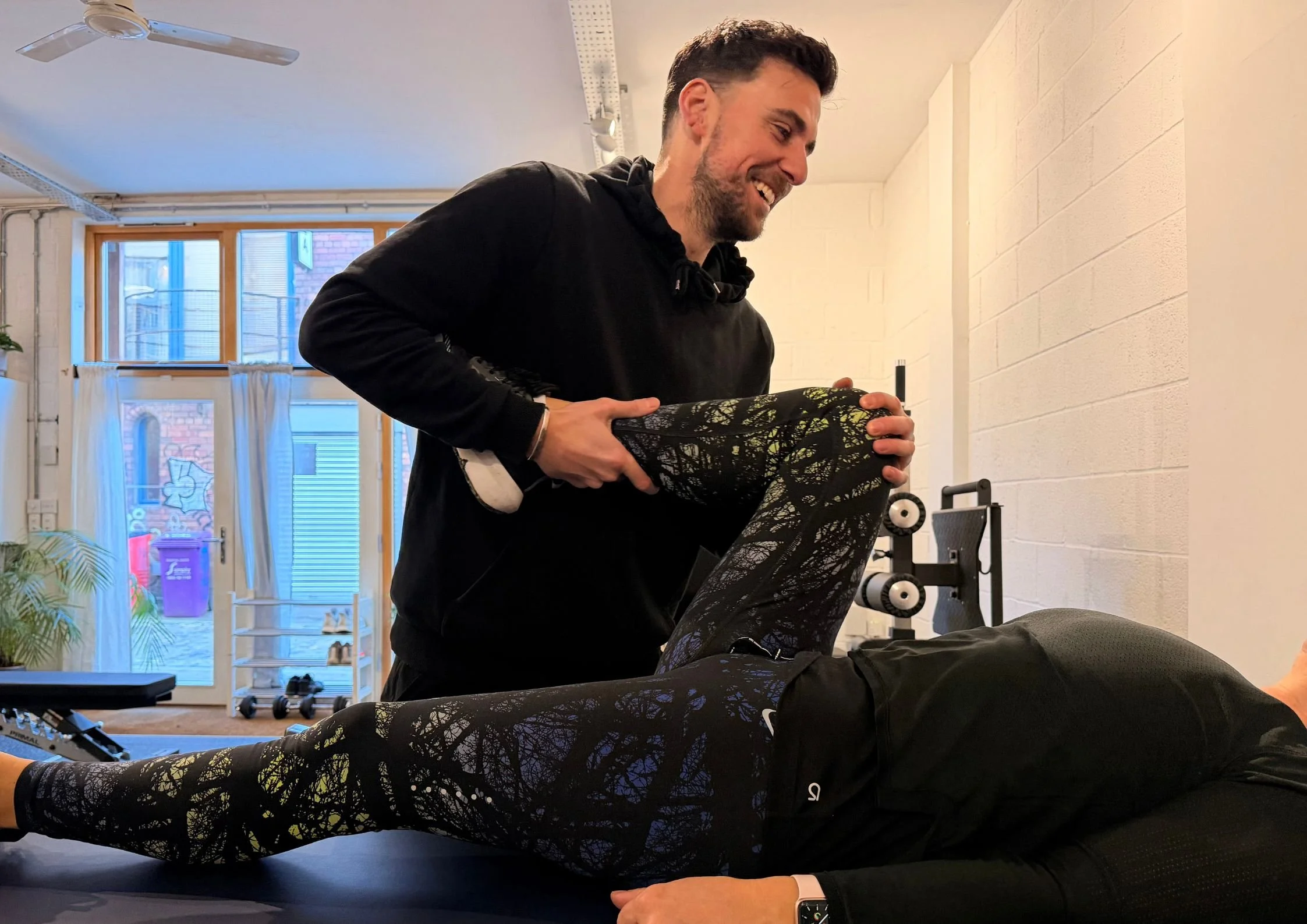
Manual therapy where necessary
Return-to-running testing
Return-to-sport testing
Exercises are progressed depending on how symptoms respond during and after activity.
Some discomfort during loading exercises is normal for tendon rehabilitation — particularly in early stages. The key is monitoring how symptoms respond afterwards. A useful framework is the "24-hour rule" — if symptoms settle back to baseline within 24 hours of exercise, the load is likely appropriate. If they remain elevated for longer, the load needs modification. This is how progression is guided safely without under- or over-loading the tendon.
Why I do not use Shockwave Therapy
Shockwave therapy is sometimes used in the treatment of tendon pain and may help reduce symptoms in certain situations.
Some research suggests that shockwave therapy may provide short-term pain relief for particular tendon conditions. However, the evidence for its effectiveness varies depending on the tendon involved, and results are not always consistent across different injuries.
Importantly, shockwave therapy does not directly improve the tendon’s ability to tolerate load. Because of this, it is usually used alongside exercise-based rehabilitation rather than as a standalone treatment.
At ADAPT. PERFORM., treatment focuses primarily on restoring tendon strength and load capacity through structured rehabilitation programmes. These often involve progressive strengthening approaches such as heavy slow resistance training and gradual progression towards higher-load movements used in sport and activity.
While reducing pain can be helpful, long-term recovery from tendon injuries is generally driven by improving the tendon’s capacity to tolerate load.
What to Expect from Tendon Rehabilitation
Tendon rehabilitation is a slower process than most people expect — and setting realistic expectations is part of what makes it successful.
The general pattern is:
Early weeks: symptoms often start to reduce, but this isn't recovery — it's just reduced sensitisation. Tendon capacity hasn't changed yet
6–12 weeks: loading exercises start to feel more comfortable. Function may improve noticeably. This is when tendon structure starts to adapt
12–24 weeks: genuine capacity changes occur. Stronger tendon, more tolerant to load. This is where return to sport or previous training levels typically happens
6+ months for degenerative presentations: long-standing tendon problems take longer. Progress is often non-linear with periods of improvement followed by temporary plateaus
Two things matter more than timeline:
Consistency of loading — missed weeks lose progress. Steady, progressive loading over months beats intense bursts with gaps
Not stopping too early — many people stop rehabilitation when pain reduces. But pain reduction and tendon capacity aren't the same thing. Stopping early is one of the most common reasons for recurrence
My role is to help you understand where you are in the process at any given point, know what to expect next, and progress loading appropriately so that the time you put in actually produces the changes you're working for.
Additional Rehabilitation Approaches
In some situations additional tools may be used to support rehabilitation where appropriate.
Blood Flow Restriction Training
Blood flow restriction (BFR) training involves the use of specialised occlusion cuffs during low-load exercise. This allows individuals to stimulate strength adaptations using lighter loads, which can be useful during stages of rehabilitation when heavier loading may not yet be appropriate.
Neuromuscular Electrical Stimulation
Neuromuscular electrical stimulation using devices such as Compex may be used to support muscle activation during rehabilitation, particularly when pain or injury makes it difficult to fully engage certain muscle groups during exercise.
These tools may be integrated alongside strengthening exercises as part of a broader rehabilitation programme.
When to Seek Physiotherapy for Tendon Pain
It may be helpful to seek physiotherapy if you experience:
• tendon pain that persists during activity
• symptoms that worsen after exercise
• reduced strength or performance
• symptoms lasting several weeks
• difficulty returning to sport or activity
Early rehabilitation can help prevent tendon pain from becoming a longer-term issue.
Tendon Rehabilitation at ADAPT. PERFORM.
ADAPT. PERFORM. based in St Paul's, Bristol BS2, I provide tendon rehabilitation for athletes and active individuals across the city.
Rehabilitation programmes combine physiotherapy, progressive strengthening and load management strategies to help restore tendon capacity and support return to activity.
Each rehabilitation programme is tailored to the individual, their injury and the activities they wish to return to.
Ready to Get on Top of Your Tendon Pain?
Whether you've been struggling for weeks or months, have tried "rest" without it fixing the problem, or want a clear evidence-based plan for getting back to full activity — I can help.
Based in St Paul's, Bristol BS2, I specialise in tendon rehabilitation using progressive loading, objective strength testing and clear clinical positioning on what works and what doesn't.
See appointment options and pricing →